




Are cylinder shape magnets suitable for underwater applications?
 May 12, 2025|
 When it comes to underwater applications, the choice of suitable materials and components is crucial. Cylinder shape magnets, a product we specialize in as a dedicated supplier, have piqued the interest of many in industries that operate underwater. In this blog, we will explore the suitability of cylinder shape magnets for underwater applications, taking into account various factors such as magnetic properties, corrosion resistance, and practical uses.
Magnetic Properties of Cylinder Shape Magnets
Cylinder shape magnets come in different materials, with neodymium being one of the most popular due to its high magnetic strength. Neodymium cylinder magnets offer a strong and consistent magnetic field, which is essential for many underwater applications. For instance, in underwater navigation systems, the precise and reliable magnetic field of these magnets can be used to align sensors accurately, ensuring accurate readings.
The shape of the cylinder also plays a role in its magnetic performance. The cylindrical design allows for a more focused and concentrated magnetic field compared to some other shapes. This focused field can be advantageous in applications where a specific area needs to be magnetically influenced, such as in underwater robotics for gripping or manipulating objects.

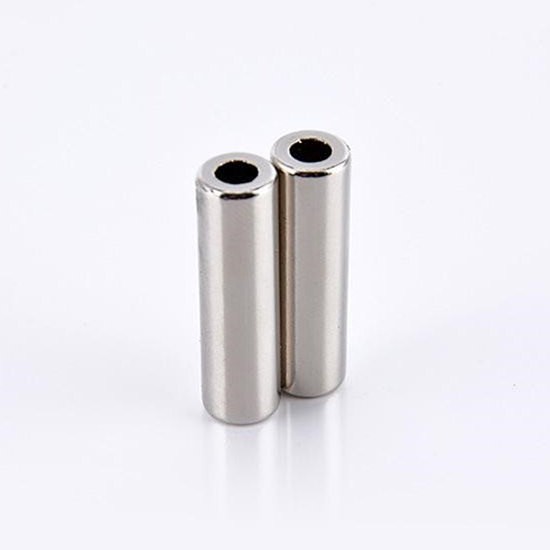
Our company offers a wide range of cylinder shape magnets, including Hollow Cylinder Magnets, Magnet Cylindrical, and Small Cylindrical Magnets. Each type has its own unique magnetic characteristics that can be tailored to different underwater needs.
Corrosion Resistance
One of the primary concerns when using magnets underwater is corrosion. Water, especially saltwater, can be highly corrosive to many materials. However, modern manufacturing techniques have enabled the production of cylinder shape magnets with excellent corrosion resistance.
We coat our cylinder shape magnets with special protective layers to prevent corrosion. These coatings act as a barrier between the magnet material and the water, significantly extending the lifespan of the magnets in underwater environments. For example, a nickel - copper - nickel coating is commonly used, which provides good protection against the harsh conditions of saltwater.
In addition to coatings, the choice of magnet material also affects corrosion resistance. Some types of ferrite cylinder magnets are inherently more resistant to corrosion compared to neodymium magnets. However, neodymium magnets can still be made suitable for underwater use with proper coating and maintenance.
Practical Underwater Applications
Underwater Sensors
Cylinder shape magnets are widely used in underwater sensors. In magnetic field sensors, the magnets generate a magnetic field that can be detected and measured. Changes in the magnetic field can indicate various physical phenomena such as the movement of underwater objects or changes in the water's magnetic properties. Our Small Cylindrical Magnets are often used in these sensors due to their compact size and precise magnetic fields.
Underwater Robotics
Underwater robots, or remotely operated vehicles (ROVs), rely on magnets for various functions. Cylinder shape magnets can be used in robotic arms for gripping objects underwater. The strong magnetic force allows the robot to hold onto objects firmly, even in the presence of water currents. Magnet Cylindrical with appropriate magnetic strength can be selected according to the weight and size of the objects to be manipulated.
Underwater Energy Harvesting
There is also growing interest in using magnets for underwater energy harvesting. For example, in wave energy converters, cylinder shape magnets can be used in generators to convert the mechanical energy of waves into electrical energy. The magnetic field of the magnets interacts with the coils in the generator, inducing an electric current. Our Hollow Cylinder Magnets can be designed to optimize this energy conversion process.
Challenges and Limitations
Despite their many advantages, cylinder shape magnets also face some challenges in underwater applications. One of the main challenges is the potential for biofouling. Marine organisms such as barnacles and algae can attach to the surface of the magnets, which may affect their magnetic performance and increase drag. Regular cleaning and maintenance are required to mitigate this issue.
Another limitation is the temperature variation in underwater environments. Extreme cold or hot temperatures can affect the magnetic properties of the magnets. Some magnets may lose their magnetic strength at high temperatures, while low temperatures can make the magnet material more brittle. Therefore, careful consideration of the operating temperature range is necessary when selecting cylinder shape magnets for underwater use.
Conclusion
In conclusion, cylinder shape magnets can be highly suitable for underwater applications when the right type of magnet is selected and proper precautions are taken. Their strong magnetic properties, combined with good corrosion resistance through appropriate coatings, make them valuable components in various underwater systems.

We, as a leading supplier of cylinder shape magnets, offer a diverse range of products to meet the specific needs of underwater applications. Whether you need Hollow Cylinder Magnets for energy harvesting, Magnet Cylindrical for robotics, or Small Cylindrical Magnets for sensors, we have the expertise and products to serve you.
If you are interested in our cylinder shape magnets for your underwater projects, we invite you to contact us for further discussion and procurement. We are ready to provide you with high - quality products and professional technical support.
References
- "Magnetism in Underwater Technology" - A research paper on the application of magnets in underwater systems.
- "Corrosion Resistance of Magnetic Materials" - A study on how different magnetic materials resist corrosion in water.
- "Underwater Robotics and Magnet Use" - An industry report on the role of magnets in underwater robotic devices.