




Can a speaker magnet be demagnetized?
 Aug 14, 2025|
 Can a speaker magnet be demagnetized? This is a question that often pops up among audio enthusiasts and those involved in the speaker industry. As a speaker magnet supplier, I've encountered this query numerous times, and today, I'm going to delve deep into this topic to provide a comprehensive answer.
Understanding Speaker Magnets
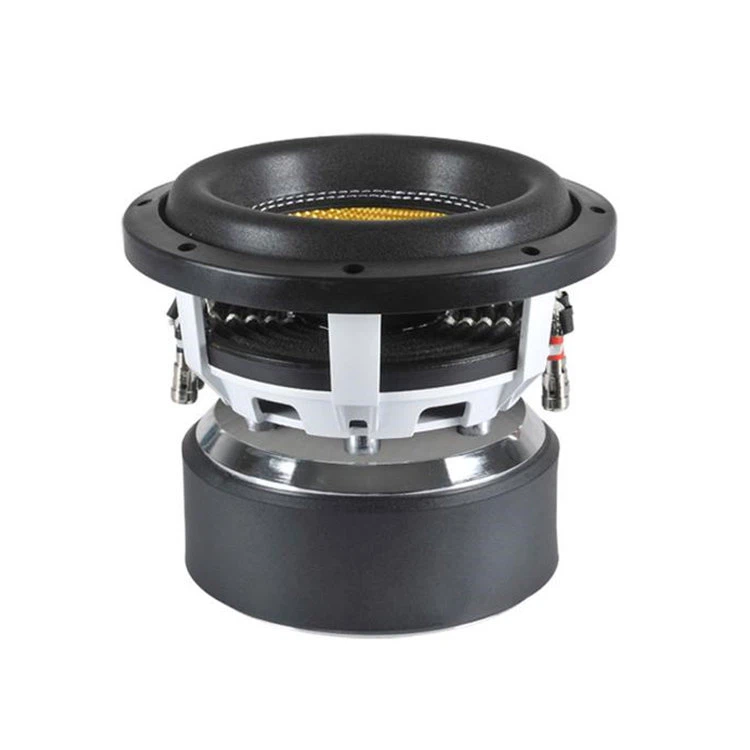
Before we discuss demagnetization, it's crucial to understand what speaker magnets are and how they function. Speaker magnets are an integral part of a speaker system. They create a magnetic field that interacts with the electrical current passing through the speaker's voice coil. This interaction causes the voice coil to move back and forth, which in turn vibrates the speaker cone, producing sound waves.
There are different types of magnets used in speakers, including ferrite magnets and neodymium magnets. Ferrite magnets are more common due to their cost - effectiveness, while neodymium magnets are known for their high magnetic strength and are often used in high - end speakers.
Factors That Can Cause Demagnetization
High Temperatures
One of the primary factors that can lead to the demagnetization of a speaker magnet is exposure to high temperatures. Every magnet has a Curie temperature, which is the temperature at which it loses its magnetic properties. For ferrite magnets, the Curie temperature is relatively high, usually around 450 - 460°C. Neodymium magnets, on the other hand, have a lower Curie temperature, typically around 310 - 400°C.
When a speaker is subjected to extreme heat, for example, if it is placed too close to a heat source like a radiator or in a very hot environment, the magnetic domains within the magnet start to become disordered. As the temperature approaches the Curie temperature, the alignment of these magnetic domains breaks down, and the magnet gradually loses its magnetization.
Strong External Magnetic Fields
Another factor that can cause demagnetization is the presence of a strong external magnetic field. If a speaker magnet is exposed to a magnetic field that is stronger than its own and in the opposite direction, it can disrupt the alignment of the magnetic domains within the magnet. This can happen if a speaker is placed too close to another powerful magnet or an electromagnetic device that generates a strong magnetic field.
For instance, if you place a speaker near a large electric motor or a powerful MRI machine, the external magnetic field can interfere with the speaker magnet's magnetic field, leading to partial or complete demagnetization.
Mechanical Shock
Mechanical shock can also contribute to the demagnetization of a speaker magnet. When a speaker is dropped or experiences a severe impact, the physical stress can cause the magnetic domains within the magnet to become misaligned. Although this type of demagnetization is less common than temperature - or magnetic - field - induced demagnetization, it can still occur, especially in magnets that are already weakened or have been exposed to other stress factors.
Effects of Demagnetization on Speaker Performance
When a speaker magnet is demagnetized, it has a significant impact on the speaker's performance. The most obvious effect is a reduction in sound quality. Since the magnet is responsible for creating the magnetic field that drives the voice coil, a weakened magnet will result in less efficient movement of the voice coil. This can lead to a decrease in volume, a loss of bass response, and a distortion of the sound.
The speaker may also experience a change in its frequency response. High - frequency sounds may become more prominent, while low - frequency sounds may be muted or distorted. In some cases, the speaker may produce a buzzing or rattling noise, indicating that the voice coil is not moving smoothly due to the weakened magnetic field.
Preventing Demagnetization
As a speaker magnet supplier, I understand the importance of preventing demagnetization to ensure the optimal performance of speakers. Here are some tips to prevent demagnetization:
- Proper Placement: Avoid placing speakers near heat sources, powerful magnets, or electromagnetic devices. Keep them in a cool, dry environment away from direct sunlight and other sources of heat.
- Handling with Care: When installing or moving speakers, handle them gently to avoid mechanical shock. Use proper packing materials when transporting speakers to protect them from impacts.
- Quality Magnets: Choose high - quality magnets with a high Curie temperature and good resistance to external magnetic fields. At our company, we offer a range of speaker magnets, including the Subwoofer Impulse Triple Magnet, Woofer Magnet, and 10 Inch Speaker Magnet, which are designed to withstand various environmental conditions and provide long - lasting performance.
Re - magnetizing a Demagnetized Speaker Magnet
In some cases, it is possible to re - magnetize a demagnetized speaker magnet. This process involves exposing the magnet to a strong magnetic field in the correct direction to realign the magnetic domains. However, re - magnetizing a magnet requires specialized equipment and expertise.
It is not a DIY process, and it is usually best to send the magnet to a professional magnet re - magnetization service. These services have the necessary equipment and knowledge to accurately re - magnetize the magnet and restore its magnetic properties.

Conclusion
In conclusion, a speaker magnet can be demagnetized due to factors such as high temperatures, strong external magnetic fields, and mechanical shock. Demagnetization can have a significant impact on speaker performance, leading to a decrease in sound quality and volume. However, by taking proper precautions and choosing high - quality magnets, it is possible to prevent demagnetization and ensure the long - term performance of speakers.
If you are in the market for high - quality speaker magnets, we are here to help. Our company offers a wide range of speaker magnets that are designed to meet the needs of various speaker applications. Whether you need a Subwoofer Impulse Triple Magnet, a Woofer Magnet, or a 10 Inch Speaker Magnet, we have the right solution for you. Contact us today to discuss your requirements and start a procurement negotiation.
References
- "Magnetism and Magnetic Materials" by David Jiles
- "Speaker Design Cookbook" by Vance Dickason