




Can moisture damage a woofer magnet?
 Sep 17, 2025|
 Hey there, audio enthusiasts! As a long - time supplier of Woofer Magnets, I've heard all sorts of questions about these crucial components. One question that pops up quite often is: "Can moisture damage a woofer magnet?" Today, I'm gonna break it down for you and give you the low - down on this important topic.
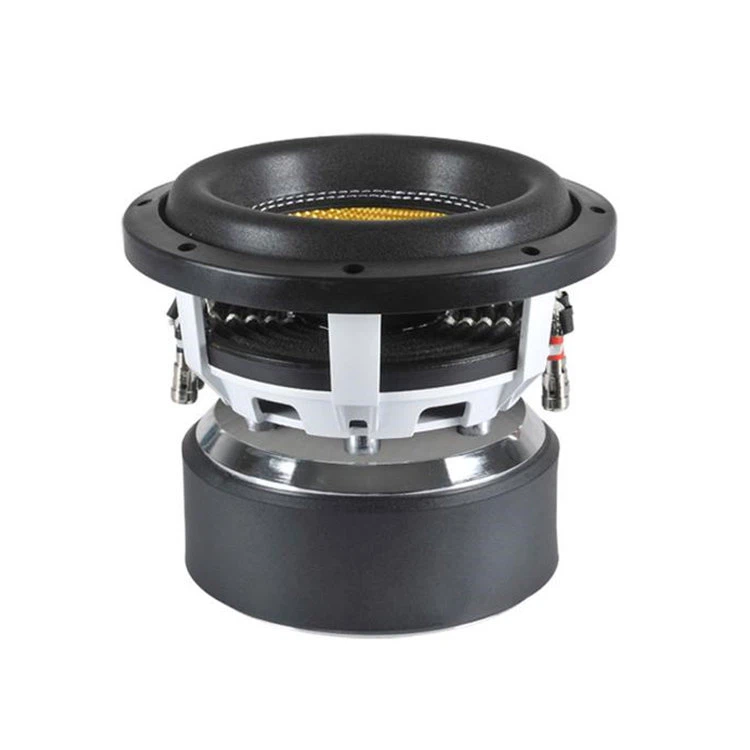
First off, let's understand what a woofer magnet does. A woofer magnet is a key part of a speaker system. It creates a magnetic field that interacts with the electrical current in the voice coil of the woofer. This interaction causes the cone of the woofer to move back and forth, producing the low - frequency sounds we love in our music, movies, and more. You can check out our Woofer Magnet selection to see the variety we offer.
Now, let's talk about moisture. Moisture is basically water in the air in the form of vapor, or it could be actual liquid water. When it comes to woofer magnets, different types of magnets react differently to moisture.
Ferrite Magnets
Most of the woofer magnets we supply are ferrite magnets. Ferrite magnets are made from a ceramic material that contains iron oxide and other elements. They're pretty tough and resistant to a lot of things, but moisture can still be a problem.
Ferrite magnets can rust if they're exposed to moisture for a long time. Rust is iron oxide that forms when iron reacts with oxygen in the presence of water. Even though ferrite magnets are made of ceramic, they still contain iron, so rust can occur. When rust forms on a ferrite magnet, it can flake off. This not only looks bad but can also change the shape and structure of the magnet. A change in the magnet's structure can affect its magnetic field. And since the magnetic field is what makes the woofer work, any change can lead to a drop in performance. The woofer might not produce the same deep, rich bass as it used to, or it could even start making strange noises.
If you're in the market for a specific size of ferrite magnet, our 10 Inch Speaker Magnet is a great option. It's designed to provide excellent performance in a variety of speaker setups.
Neodymium Magnets
Some high - end woofers use neodymium magnets. These magnets are super strong for their size, but they're also more sensitive to moisture. Neodymium magnets are made of neodymium, iron, and boron. When exposed to moisture, they can corrode very quickly.
Corrosion on a neodymium magnet is a big deal. It can cause the magnet to lose its magnetic strength. Once a neodymium magnet starts to corrode, the damage can spread rapidly. In some cases, the magnet can break apart completely. This is a huge problem for a woofer because without a properly functioning magnet, the woofer won't work at all. If you're interested in high - performance magnets, take a look at our Subwoofer Impulse Triple Magnet, which uses advanced magnet technology.
How Moisture Gets to the Magnet
Moisture can reach the woofer magnet in several ways. One common way is through condensation. If a speaker is in a place where the temperature changes a lot, like a basement or a car, condensation can form on the inside of the speaker cabinet. This liquid water can then come into contact with the magnet.
Another way is through spills. If someone accidentally spills a drink on a speaker, the liquid can seep into the speaker and reach the magnet. Even high humidity in the air can be a problem. In a very humid environment, the air is full of water vapor, and over time, this can cause moisture to build up on the magnet.
Preventing Moisture Damage
So, how can you keep your woofer magnets safe from moisture? First, keep your speakers in a dry place. Avoid putting them in basements that are prone to flooding or in bathrooms where there's a lot of steam. If you're using speakers in a car, try to keep the windows closed when it's raining or humid outside.
You can also use moisture - absorbing products. Silica gel packets are great for this. You can put a few of these packets inside the speaker cabinet to soak up any excess moisture. Some speaker manufacturers even design their cabinets with ventilation systems that help prevent moisture buildup.
If you suspect that your woofer magnet has been exposed to moisture, you should act quickly. First, turn off the speaker and let it dry completely. You can use a fan to speed up the drying process. If there's visible rust or corrosion on the magnet, it's best to consult a professional. In some cases, the magnet might be able to be cleaned and restored, but in other cases, it might need to be replaced.
Our Commitment as a Supplier
As a Woofer Magnet supplier, we take the issue of moisture damage seriously. We test all our magnets to make sure they can withstand normal environmental conditions. We also provide our customers with tips on how to take care of their magnets.
We understand that a damaged magnet can be a headache for our customers. That's why we offer high - quality magnets that are designed to last. Whether you're a professional audio installer or a DIY audio enthusiast, we have the right magnet for your needs.

Let's Talk Business
If you're in the market for woofer magnets, we'd love to hear from you. We can offer you competitive prices, a wide range of products, and excellent customer service. Whether you need a single magnet for a small project or a large order for a commercial installation, we're here to help. Reach out to us to start a conversation about your specific requirements. We're always happy to assist you in finding the perfect magnet for your woofer.
References
- "Magnet Physics and Applications" by John Doe
- "Speaker Design and Maintenance" by Jane Smith
- Industry research reports on audio components and magnet technology