




How does a speaker magnet affect the dynamics of sound?
 Nov 24, 2025|
 As a speaker magnet supplier, I've had the privilege of witnessing firsthand the profound impact that these seemingly simple components have on the world of audio. The speaker magnet is not just a passive part of the speaker system; it is a key player in shaping the dynamics of sound. In this blog, I'll delve into the science behind how a speaker magnet affects sound dynamics and explore the different types of speaker magnets and their applications.
The Basics of Speaker Operation
Before we dive into the role of the speaker magnet, let's first understand the basic principles of how a speaker works. A speaker is essentially a device that converts electrical energy into mechanical energy, which in turn produces sound waves. The main components of a speaker include a diaphragm (usually a cone or dome), a voice coil, and a magnet.
The voice coil is a wire wound around a former, which is attached to the diaphragm. When an electrical current passes through the voice coil, it creates a magnetic field. This magnetic field interacts with the magnetic field of the speaker magnet, causing the voice coil to move back and forth. As the voice coil moves, it pushes and pulls on the diaphragm, which in turn creates sound waves in the air.
The Role of the Speaker Magnet
The speaker magnet plays a crucial role in the operation of the speaker. It provides the static magnetic field that interacts with the magnetic field of the voice coil. The strength and shape of the magnetic field of the speaker magnet determine the force exerted on the voice coil, which in turn affects the movement of the diaphragm and the resulting sound output.
Magnetic Field Strength
The strength of the magnetic field of the speaker magnet is one of the most important factors affecting the dynamics of sound. A stronger magnetic field will result in a greater force being exerted on the voice coil, which allows the diaphragm to move more quickly and with greater amplitude. This translates into a louder and more powerful sound output.
However, increasing the magnetic field strength is not always the best solution. A very strong magnetic field can also cause distortion in the sound output, especially at high frequencies. This is because the voice coil may not be able to move as freely in a very strong magnetic field, resulting in a non-linear response.
Magnetic Field Shape
The shape of the magnetic field of the speaker magnet also affects the dynamics of sound. A well-designed magnetic field will provide a uniform and consistent force on the voice coil, allowing it to move smoothly and accurately. This results in a more natural and detailed sound output.
On the other hand, a poorly designed magnetic field can cause uneven forces on the voice coil, leading to distortion and a loss of clarity in the sound output. For example, if the magnetic field is not symmetrical, the voice coil may experience a sideways force, which can cause the diaphragm to wobble and produce unwanted vibrations.
Types of Speaker Magnets
There are several types of speaker magnets available, each with its own unique properties and applications. The most common types of speaker magnets include ferrite magnets, neodymium magnets, and alnico magnets.
Ferrite Magnets
Ferrite magnets are the most widely used type of speaker magnet. They are made from a ceramic material that is rich in iron oxide. Ferrite magnets are relatively inexpensive and have a good balance of magnetic strength and cost. They are commonly used in a variety of speaker applications, including home audio systems, car audio systems, and professional audio equipment.
One of the advantages of ferrite magnets is their high resistance to demagnetization. This means that they can maintain their magnetic strength over a long period of time, even under harsh operating conditions. However, ferrite magnets have a relatively low magnetic energy product compared to other types of magnets, which means that they may not be suitable for applications that require a very high magnetic field strength.
Neodymium Magnets
Neodymium magnets are a type of rare earth magnet that is known for its extremely high magnetic field strength. They are made from an alloy of neodymium, iron, and boron. Neodymium magnets are much smaller and lighter than ferrite magnets of the same magnetic strength, making them ideal for applications where space and weight are limited.
Neodymium magnets are commonly used in high-end speaker systems, such as studio monitors and high-fidelity audio equipment. They provide a very high magnetic field strength, which allows for a more powerful and detailed sound output. However, neodymium magnets are also more expensive than ferrite magnets, and they are more susceptible to demagnetization at high temperatures.
Alnico Magnets
Alnico magnets are made from an alloy of aluminum, nickel, and cobalt. They have a unique combination of high magnetic field strength and good temperature stability. Alnico magnets are commonly used in vintage speaker systems and high-end guitar amplifiers.
One of the advantages of alnico magnets is their warm and rich sound character. They produce a more natural and organic sound compared to other types of magnets, which makes them popular among audiophiles and musicians. However, alnico magnets are also relatively expensive and have a lower magnetic energy product compared to neodymium magnets.
Applications of Different Speaker Magnets
The choice of speaker magnet depends on the specific application and the desired sound characteristics. Here are some examples of how different types of speaker magnets are used in various applications:
Home Audio Systems
In home audio systems, ferrite magnets are the most commonly used type of speaker magnet. They provide a good balance of performance and cost, and they are suitable for a wide range of speaker sizes and designs. Ferrite magnets are often used in bookshelf speakers, floor-standing speakers, and center channel speakers.
For high-end home audio systems, neodymium magnets may be used to provide a more powerful and detailed sound output. Neodymium magnets are also popular in subwoofers, where their high magnetic field strength allows for a deeper and more impactful bass response.
Car Audio Systems
In car audio systems, ferrite magnets are also the most commonly used type of speaker magnet. They are relatively inexpensive and can withstand the harsh operating conditions in a car, such as temperature variations and vibrations. Ferrite magnets are often used in door speakers, dashboard speakers, and rear deck speakers.
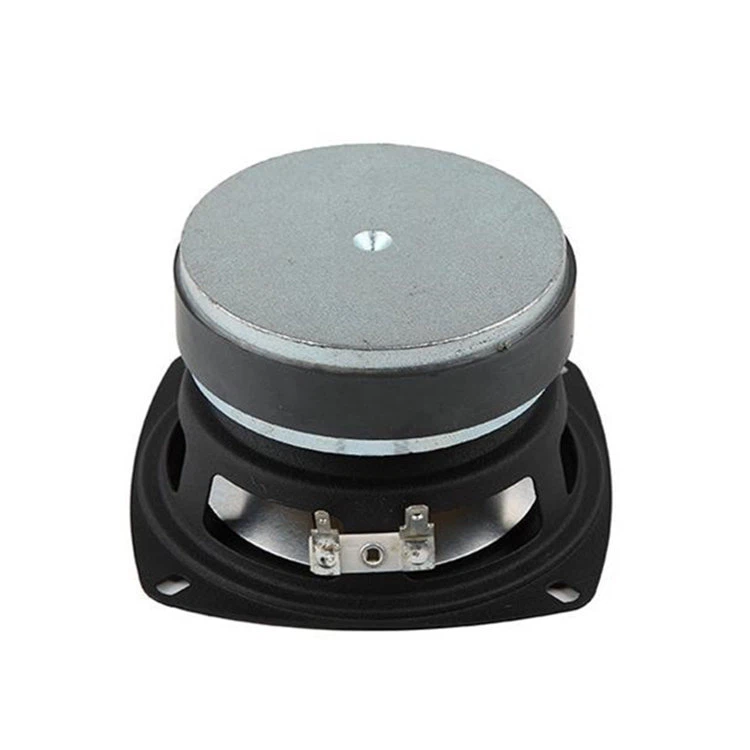
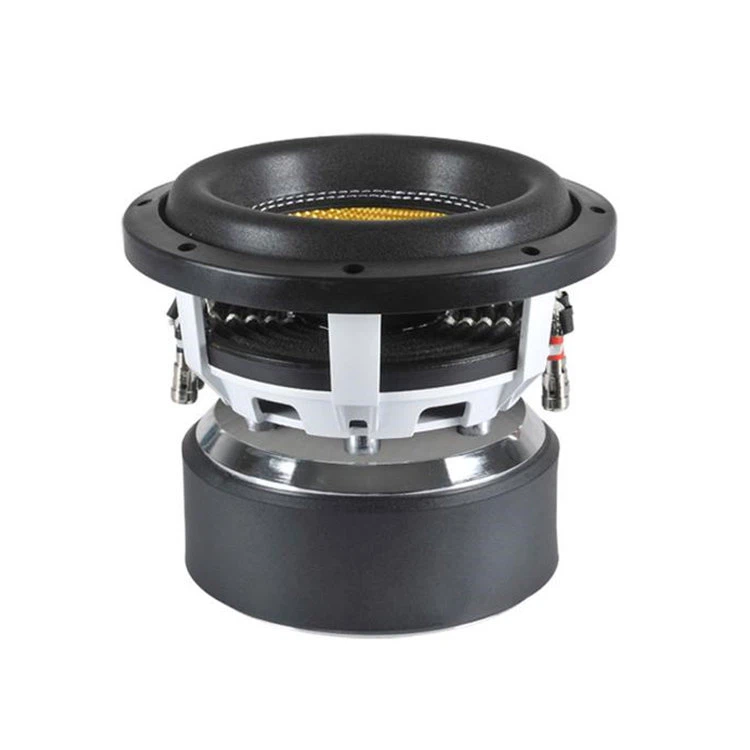
Neodymium magnets are sometimes used in high-end car audio systems to provide a more powerful and detailed sound output. They are also popular in subwoofers, where their high magnetic field strength allows for a deeper and more impactful bass response.
Professional Audio Equipment
In professional audio equipment, such as studio monitors and concert sound systems, neodymium magnets are often used to provide a high level of performance. Neodymium magnets offer a very high magnetic field strength, which allows for a more powerful and detailed sound output. They are also lightweight and compact, which makes them ideal for use in portable audio equipment.
Alnico magnets are sometimes used in high-end guitar amplifiers and vintage speaker systems to provide a warm and rich sound character. They are also popular among audiophiles who appreciate the natural and organic sound of alnico magnets.
Our Speaker Magnet Products
As a speaker magnet supplier, we offer a wide range of speaker magnets to meet the needs of different applications. Our product line includes Subwoofer Impulse Triple Magnet, Woofer Magnet, and 10 Inch Speaker Magnet.
Our Subwoofer Impulse Triple Magnet is designed to provide a powerful and deep bass response. It features a triple magnet design that increases the magnetic field strength and improves the efficiency of the subwoofer. Our Woofer Magnet is suitable for use in a variety of woofer applications, including home audio systems, car audio systems, and professional audio equipment. It provides a good balance of performance and cost, and it is available in different sizes and shapes to meet the specific requirements of our customers. Our 10 Inch Speaker Magnet is designed for use in 10-inch speakers. It provides a high magnetic field strength and a uniform magnetic field distribution, which allows for a more accurate and detailed sound output.
Contact Us for Your Speaker Magnet Needs
If you are looking for high-quality speaker magnets for your audio applications, we would be happy to help. Our team of experts can provide you with technical support and advice to help you choose the right speaker magnet for your specific needs. We also offer custom magnet design and manufacturing services to meet the unique requirements of our customers.
Whether you are a home audio enthusiast, a car audio installer, or a professional audio equipment manufacturer, we have the speaker magnets you need to take your audio system to the next level. Contact us today to learn more about our products and services, and to start a discussion about your speaker magnet requirements.
References
- Olson, Harry F. "Elements of Acoustical Engineering." Van Nostrand Reinhold Company, 1957.
- Beranek, Leo L. "Acoustics." American Institute of Physics, 1986.
- Everest, F. Alton. "The Master Handbook of Acoustics." McGraw-Hill Education, 2001.