




How does a speaker magnet contribute to the warmth of sound?
 Sep 18, 2025|
 Yo, what's up everyone! I'm a supplier of speaker magnets, and today I wanna chat about how a speaker magnet contributes to the warmth of sound. You might be thinking, "What the heck does a magnet have to do with the warmth of sound?" Well, stick around, and I'll break it down for you.
First off, let's talk about what we mean by "warmth of sound." When we say a sound is warm, we're usually referring to a rich, full - bodied, and smooth quality. It's like the difference between a cold, sterile, and clinical sound and a sound that feels like it's wrapping you in a warm blanket. Warm sounds are often more pleasing to the ear, especially for music genres like jazz, blues, and classical.
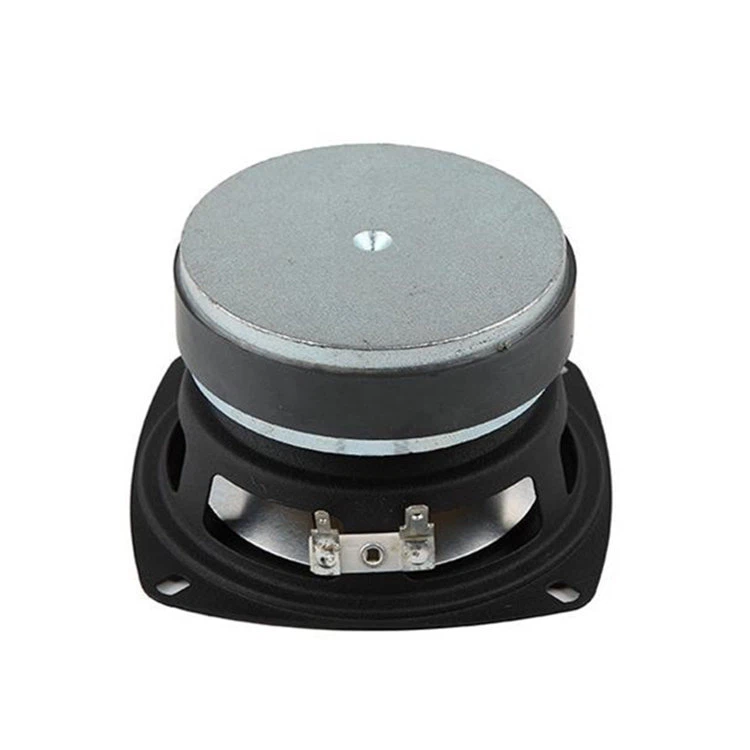
So, how does a speaker magnet fit into this picture? Well, a speaker magnet plays a crucial role in the speaker's operation. In a basic speaker, you've got a diaphragm (usually a cone), a voice coil, and a magnet. When an electrical signal is sent through the voice coil, it creates a magnetic field that interacts with the magnetic field of the permanent magnet. This interaction causes the voice coil to move, which in turn moves the diaphragm, and that's how sound is produced.
The strength and characteristics of the speaker magnet can greatly affect the sound quality. A high - quality magnet can help produce a more accurate and natural sound. For example, a magnet with a strong and stable magnetic field can ensure that the voice coil moves precisely in response to the electrical signal. This precision means that the diaphragm can reproduce the sound waves more accurately, resulting in a cleaner and more detailed sound.
Now, let's get into how this relates to the warmth of sound. A good speaker magnet can help enhance the low - frequency response of a speaker. Low frequencies are what give music its depth and fullness, which are key components of a warm sound. Magnets with the right properties can allow the speaker to reproduce low frequencies more effectively, without distorting them.
One type of magnet that's great for enhancing low - frequency response is the Subwoofer Impulse Triple Magnet. This magnet is designed specifically for subwoofers, which are responsible for reproducing the lowest frequencies in a sound system. The triple - magnet design provides a stronger and more stable magnetic field, which helps the subwoofer move more air and produce deeper, more powerful bass. This deep bass adds a lot of warmth and richness to the overall sound.
Another important aspect is the material of the magnet. Different materials have different magnetic properties, which can affect the sound. Ferrite magnets, for example, are commonly used in speakers. They're relatively inexpensive and have good magnetic properties. Ferrite magnets can help produce a warm and smooth sound, especially in mid - range frequencies. The Woofer Magnet is made of ferrite and is designed to work well in woofers, which handle the mid - to low - frequency range. The ferrite material in this magnet helps to create a rich and full - bodied sound that contributes to the warmth.
Size also matters when it comes to speaker magnets. A larger magnet generally means a stronger magnetic field, which can lead to better performance. Take the 10 Inch Speaker Magnet for example. With its larger size, it can provide a more powerful magnetic force, allowing the speaker to handle higher power levels and reproduce a wider range of frequencies. This wider frequency range, especially in the low - end, can add a lot of warmth to the sound.
But it's not just about the magnet itself. The design of the speaker system also plays a role. The way the magnet is integrated with the voice coil and the diaphragm can affect how the sound is produced. A well - designed speaker system will take advantage of the magnet's properties to produce the warmest and most natural sound possible.
In addition, the quality control of the magnet manufacturing process is crucial. If the magnet has inconsistencies in its magnetic field, it can cause distortion in the sound. That's why, as a speaker magnet supplier, we pay a lot of attention to the manufacturing process. We use advanced techniques to ensure that each magnet has a uniform and stable magnetic field, so that the speakers can produce the best - quality sound.
Now, if you're in the market for speaker magnets, whether you're a speaker manufacturer or just someone looking to upgrade your home audio system, we've got you covered. We offer a wide range of speaker magnets, each designed to meet different needs and budgets. Our magnets are made with high - quality materials and go through strict quality control processes to ensure that you get the best possible sound.

If you're interested in learning more about our speaker magnets or want to discuss your specific requirements, don't hesitate to reach out. We're always happy to help you find the perfect magnet for your project. Whether you need a magnet for a small bookshelf speaker or a large - scale professional audio system, we can provide you with the right solution.
So, if you're looking to add some warmth and richness to your sound, give our speaker magnets a try. We're confident that you'll notice a significant improvement in the sound quality.
References
- "The Physics of Sound and Music" - A general textbook on the principles of sound production and how speakers work.
- "Magnetic Materials and Their Applications in Audio Devices" - A research paper on the use of different magnetic materials in speakers.