




How does a Super Magnetic Ring work?
 Aug 07, 2025|
 How does a Super Magnetic Ring work?
As a supplier of Super Magnetic Rings, I've had the privilege of witnessing the growing interest in these remarkable magnetic components. The Super Magnetic Ring, a fascinating creation of modern magnet technology, finds applications in a wide range of industries, from electronics to mechanical engineering. In this blog post, I'll delve into the science behind how a Super Magnetic Ring works, exploring its magnetic properties, construction, and practical applications.
Understanding the Basics of Magnetism
Before we can understand how a Super Magnetic Ring works, it's essential to have a basic understanding of magnetism. Magnetism is a fundamental force of nature that arises from the movement of electric charges. In magnets, the magnetic force is created by the alignment of tiny magnetic domains within the material. These domains are regions where the magnetic moments of atoms are aligned in the same direction, creating a net magnetic field.
The strength of a magnet is determined by several factors, including the material it's made of, its shape, and the way it's magnetized. Super Magnetic Rings are typically made from neodymium, a rare-earth metal known for its exceptional magnetic properties. Neodymium magnets are among the strongest permanent magnets available, offering high magnetic fields and excellent resistance to demagnetization.
Construction of a Super Magnetic Ring
A Super Magnetic Ring is a circular magnet with a specific magnetization pattern. The magnetization of a magnet refers to the direction in which its magnetic field is oriented. In a Super Magnetic Ring, the magnetization is carefully engineered to create a specific magnetic field distribution.
There are different types of magnetization patterns for Super Magnetic Rings, including axially magnetized and diametrically magnetized. Diametrically Magnetized Ring Magnet has its magnetic field oriented along the diameter of the ring, while an axially magnetized ring has its magnetic field oriented along the axis of the ring. The choice of magnetization pattern depends on the specific application requirements.

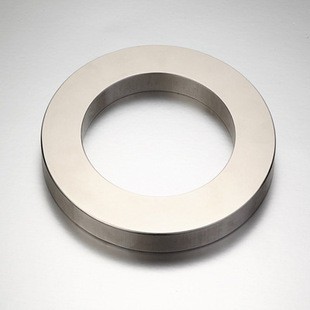
The construction of a Super Magnetic Ring involves several steps. First, the neodymium material is prepared by mixing the rare-earth elements with other metals to form an alloy. The alloy is then melted and cast into the desired shape, usually a ring. After casting, the ring is heat-treated to improve its magnetic properties and then magnetized using a powerful magnetic field.
How a Super Magnetic Ring Works
The working principle of a Super Magnetic Ring is based on the interaction between its magnetic field and other magnetic or magnetic-sensitive materials. When a Super Magnetic Ring is placed in the vicinity of another magnet or a magnetic material, it exerts a force on that object. This force can be either attractive or repulsive, depending on the relative orientation of the magnetic fields.
For example, if two Super Magnetic Rings with opposite magnetic poles are brought close to each other, they will attract each other due to the magnetic force between them. On the other hand, if two Super Magnetic Rings with the same magnetic poles are brought close to each other, they will repel each other.
In addition to interacting with other magnets, a Super Magnetic Ring can also induce a magnetic field in nearby magnetic materials. This phenomenon is known as magnetic induction. When a magnetic material is placed in the magnetic field of a Super Magnetic Ring, the magnetic domains within the material align with the external magnetic field, creating a net magnetic field in the material.
Applications of Super Magnetic Rings
The unique magnetic properties of Super Magnetic Rings make them suitable for a wide range of applications. Here are some of the most common applications:
- Electronics: Super Magnetic Rings are used in various electronic devices, such as speakers, motors, and sensors. In speakers, the magnetic field of the Super Magnetic Ring interacts with the current-carrying coil to produce sound. In motors, the magnetic field of the Super Magnetic Ring is used to generate torque and drive the rotation of the motor shaft. In sensors, the magnetic field of the Super Magnetic Ring can be used to detect the presence or movement of magnetic objects.
- Mechanical Engineering: Super Magnetic Rings are used in mechanical engineering applications, such as bearings, couplings, and clutches. In bearings, the magnetic field of the Super Magnetic Ring can be used to reduce friction and wear, improving the efficiency and lifespan of the bearing. In couplings and clutches, the magnetic field of the Super Magnetic Ring can be used to transmit torque between two shafts without the need for physical contact.
- Medical Devices: Super Magnetic Rings are used in medical devices, such as magnetic resonance imaging (MRI) machines and drug delivery systems. In MRI machines, the strong magnetic field of the Super Magnetic Ring is used to create detailed images of the human body. In drug delivery systems, the magnetic field of the Super Magnetic Ring can be used to target drugs to specific locations in the body.
Advantages of Super Magnetic Rings
There are several advantages to using Super Magnetic Rings in various applications:
- High Magnetic Strength: Super Magnetic Rings offer high magnetic fields, allowing for strong magnetic forces and efficient operation in a wide range of applications.
- Compact Size: Due to their high magnetic strength, Super Magnetic Rings can be made smaller and more compact than other types of magnets, making them suitable for applications where space is limited.
- Excellent Resistance to Demagnetization: Neodymium magnets, which are commonly used in Super Magnetic Rings, have excellent resistance to demagnetization, ensuring long-term stability and reliability.
- Versatility: Super Magnetic Rings can be customized with different magnetization patterns and sizes to meet the specific requirements of various applications.
Conclusion
In conclusion, the Super Magnetic Ring is a remarkable magnetic component that offers high magnetic strength, compact size, and excellent resistance to demagnetization. Its unique magnetic properties make it suitable for a wide range of applications in electronics, mechanical engineering, and medical devices.
If you're interested in learning more about our Super Magnetic Ring products or have any questions about their applications, we encourage you to reach out to us. Our team of experts is always ready to assist you in finding the right magnetic solution for your needs. Whether you're looking for a standard Super Magnetic Ring or a custom-designed magnet, we can provide you with high-quality products and excellent customer service. Contact us today to start the conversation and explore the possibilities of using Super Magnetic Rings in your projects.
References
- "Magnetism and Magnetic Materials" by David Jiles
- "Handbook of Magnetic Materials" edited by Karl-Herbert Jürgen Buschow