




How does a woofer magnet control the cone's motion?
 Dec 16, 2025|
 As a supplier of Woofer Magnets, I've witnessed firsthand the crucial role these components play in the world of audio. In this blog, I'll delve into the science behind how a woofer magnet controls the cone's motion, offering insights into the intricate mechanisms that bring our favorite music to life.
The Basics of a Woofer
Before we explore the role of the magnet, let's briefly understand the basic structure of a woofer. A woofer is a type of speaker designed to reproduce low - frequency sounds, typically from around 20 Hz to 2000 Hz. It consists of several key components: the cone, the voice coil, the frame, and the magnet. The cone is usually made of lightweight materials like paper, plastic, or composite materials. The voice coil is a coil of wire that is attached to the back of the cone, and the magnet is fixed to the frame.
The Role of the Magnet in the Woofer
The magnet in a woofer creates a static magnetic field. This field is essential for the conversion of electrical signals into mechanical motion, which is what ultimately produces sound. When an audio signal is sent through the voice coil, it creates an alternating magnetic field around the coil. According to Ampere's law, an electric current flowing through a wire generates a magnetic field. The interaction between the static magnetic field of the magnet and the alternating magnetic field of the voice coil is what causes the cone to move.
How the Interaction Works
Let's break down the process step by step. When an audio signal is applied to the voice coil, the current flowing through the coil changes direction and magnitude in accordance with the audio waveform. The magnetic field generated by the voice coil then either attracts or repels the static magnetic field of the woofer magnet.
If the magnetic fields are in the same direction, they attract each other. This causes the voice coil, and by extension, the cone attached to it, to move towards the magnet. Conversely, if the magnetic fields are in opposite directions, they repel each other, and the cone moves away from the magnet.
As the audio signal continues to change, the cone moves back and forth rapidly. This movement of the cone compresses and rarefies the air in front of it, creating sound waves that we can hear. For example, a low - frequency bass note will cause the cone to move slowly and with a large amplitude, while a higher - frequency note will result in faster, smaller - amplitude movements.
Types of Woofer Magnets and Their Impact on Cone Motion
There are different types of magnets used in woofers, each with its own characteristics that can affect the cone's motion. Ferrite magnets are commonly used due to their relatively low cost and good magnetic properties. They provide a stable magnetic field that allows for consistent cone movement. Our Woofer Magnet products are made with high - quality ferrite materials, ensuring reliable performance.
Neodymium magnets, on the other hand, are much stronger than ferrite magnets. They can produce a more powerful magnetic field, which means that the cone can move with greater force. This can result in more efficient sound production, especially for high - power woofers. However, neodymium magnets are also more expensive.
The Importance of Magnet Design
The design of the magnet also plays a significant role in controlling the cone's motion. The shape, size, and placement of the magnet can all affect the uniformity of the magnetic field. A well - designed magnet will create a magnetic field that is as uniform as possible across the area where the voice coil moves. This ensures that the cone moves smoothly and accurately in response to the audio signal.
For example, in some high - end woofers, the magnet is designed with a special shape to focus the magnetic field precisely where it is needed. This can improve the speaker's frequency response and reduce distortion. Our 10 Inch Speaker Magnet is carefully designed to provide a uniform magnetic field, resulting in high - quality sound reproduction.
Advanced Magnet Technologies for Better Cone Control
In recent years, there have been advancements in magnet technologies that further enhance the control of the cone's motion. One such technology is the use of multiple magnets in a single woofer. Our Subwoofer Impulse Triple Magnet is a prime example of this. By using three magnets, we can create a more complex and powerful magnetic field.
The multiple magnets work together to provide a more precise control over the cone's movement. They can also help to cancel out any unwanted magnetic interference, resulting in cleaner and more accurate sound. This technology is particularly useful for subwoofers, which need to reproduce very low - frequency sounds with high precision.
Quality Control in Magnet Production
As a supplier, we understand the importance of quality control in magnet production. Every Woofer Magnet we produce undergoes a series of strict tests to ensure that it meets the highest standards. We test the magnetic strength, uniformity, and stability of each magnet.
We also use advanced manufacturing techniques to ensure that the magnets are produced with high precision. This includes using computer - controlled machining processes to shape the magnets accurately. By maintaining high - quality standards, we can guarantee that our magnets will provide reliable and consistent control over the cone's motion in woofers.
The Future of Woofer Magnets
The future of woofer magnets looks promising. With the continuous development of audio technology, there is a growing demand for woofers that can produce even better sound quality. This will drive further innovation in magnet design and materials.
We can expect to see the development of new magnet materials that are even stronger, lighter, and more efficient. There will also be more advanced magnet designs that can provide even more precise control over the cone's motion. As a supplier, we are committed to staying at the forefront of these developments and providing our customers with the best - in - class woofer magnets.
Conclusion
In conclusion, the woofer magnet is a critical component in the production of high - quality sound. By creating a static magnetic field that interacts with the alternating magnetic field of the voice coil, it controls the motion of the cone and allows us to enjoy our favorite music.
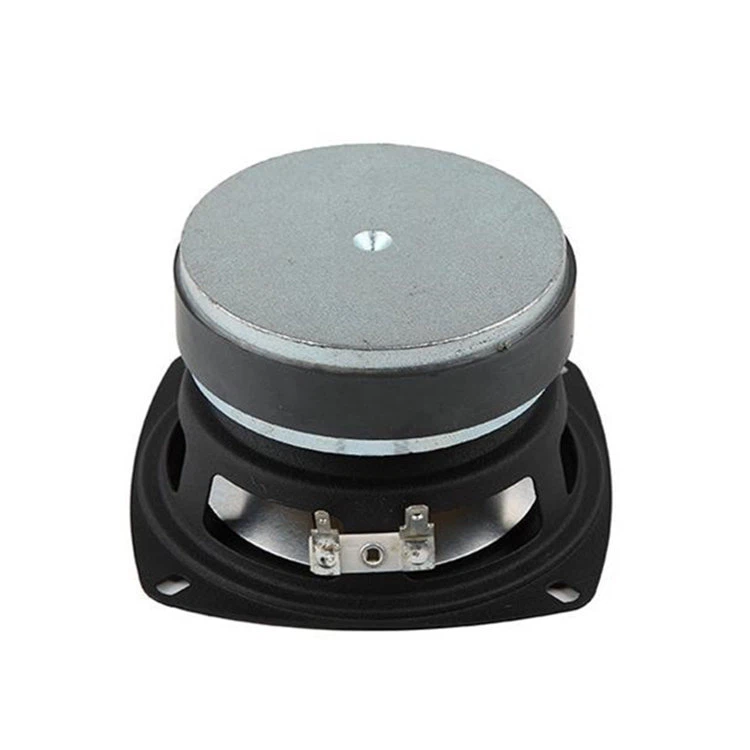
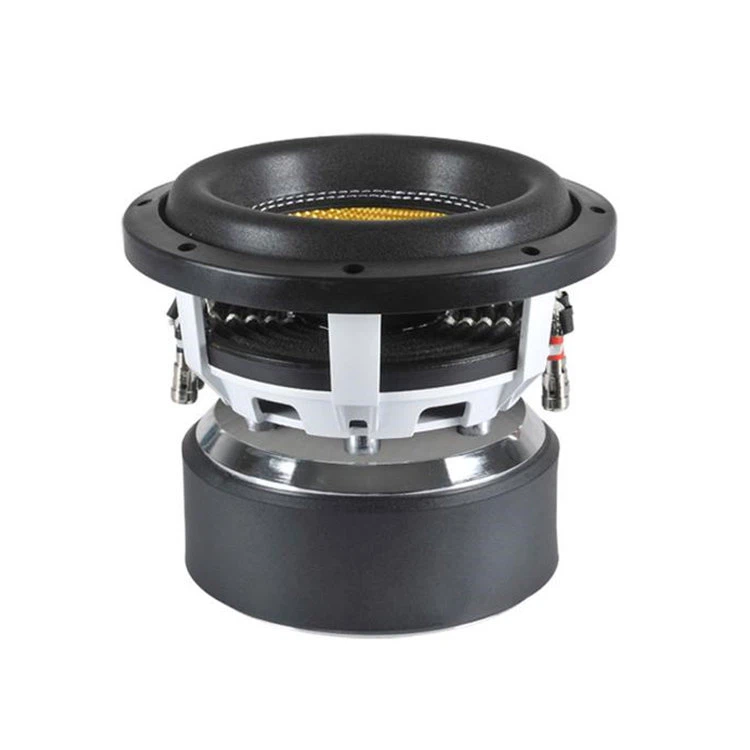
As a leading supplier of Woofer Magnet, we are dedicated to providing our customers with the best products. Our magnets are designed and manufactured to the highest standards, ensuring reliable performance and excellent sound quality.
If you are in the market for high - quality woofer magnets, we invite you to contact us for a procurement discussion. We look forward to working with you to meet your audio needs.
References
- Halliday, D., Resnick, R., & Walker, J. (2014). Fundamentals of Physics. Wiley.
- Floyd, T. L. (2013). Electronic Devices. Pearson.
- Beranek, L. L. (1954). Acoustics. McGraw - Hill.