




How does the size of a speaker magnet affect performance?
 Jun 18, 2025|
 When delving into the world of audio equipment, one crucial yet often overlooked component is the speaker magnet. As a long - standing speaker magnet supplier, I've witnessed firsthand the significant influence that the size of a speaker magnet can have on the performance of speakers. In this blog, I'll explore how different magnet sizes impact various aspects of speaker performance.
Magnetic Field Strength
The size of a speaker magnet is directly related to its magnetic field strength. Generally, larger magnets can generate stronger magnetic fields. The magnetic field in a speaker interacts with the electrical current passing through the voice coil. When an audio signal is sent to the speaker, it creates an alternating current in the voice coil. According to Ampere's law, this current - carrying conductor experiences a force in the presence of a magnetic field, as described by the Lorentz force equation (F = BIL), where (F) is the force, (B) is the magnetic field strength, (I) is the current, and (L) is the length of the conductor in the magnetic field.
A stronger magnetic field, provided by a larger magnet, allows for a greater force to be exerted on the voice coil for a given current. This means that the diaphragm attached to the voice coil can move more forcefully and accurately. As a result, larger - magnet speakers are often capable of producing louder sounds with less distortion, especially at high volumes. For example, in professional audio systems where high - volume output is required, such as in concert halls or large stadiums, speakers with relatively large magnets are commonly used.
Frequency Response
Frequency response is another critical aspect of speaker performance, and the size of the magnet can have a notable impact on it. The ability of a speaker to reproduce different frequencies accurately is essential for a well - balanced sound.
Smaller magnets are generally more suitable for high - frequency reproduction. Since high - frequency sounds have shorter wavelengths and require less force to move the diaphragm, smaller magnets can be more responsive. The diaphragm can move back and forth rapidly to reproduce the high - pitched tones. Tweeters, which are responsible for reproducing high frequencies (usually above 2000 Hz), often use relatively small magnets.
On the other hand, larger magnets are better for low - frequency reproduction. Low - frequency sounds have longer wavelengths and require more force to move the diaphragm. A larger magnet can provide the necessary power to drive the diaphragm to produce deep bass tones. Woofers and subwoofers, which handle low - frequency sounds (below 200 Hz for subwoofers and up to around 2000 Hz for woofers), typically have larger magnets. For instance, the Woofer Magnet in our product line is designed with an appropriate size to ensure excellent low - frequency performance.
Distortion
Distortion is an unwanted characteristic in speakers, as it can degrade the quality of the sound. The size of the speaker magnet plays a role in minimizing distortion.
As mentioned earlier, a larger magnet can generate a stronger and more uniform magnetic field. When the magnetic field is uniform, the force exerted on the voice coil is more consistent as it moves back and forth. This reduces the likelihood of non - linear behavior, which is a major cause of distortion. Non - linear distortion occurs when the relationship between the input electrical signal and the output sound is not linear. For example, harmonic distortion can add unwanted frequencies to the original sound, making it sound unnatural.
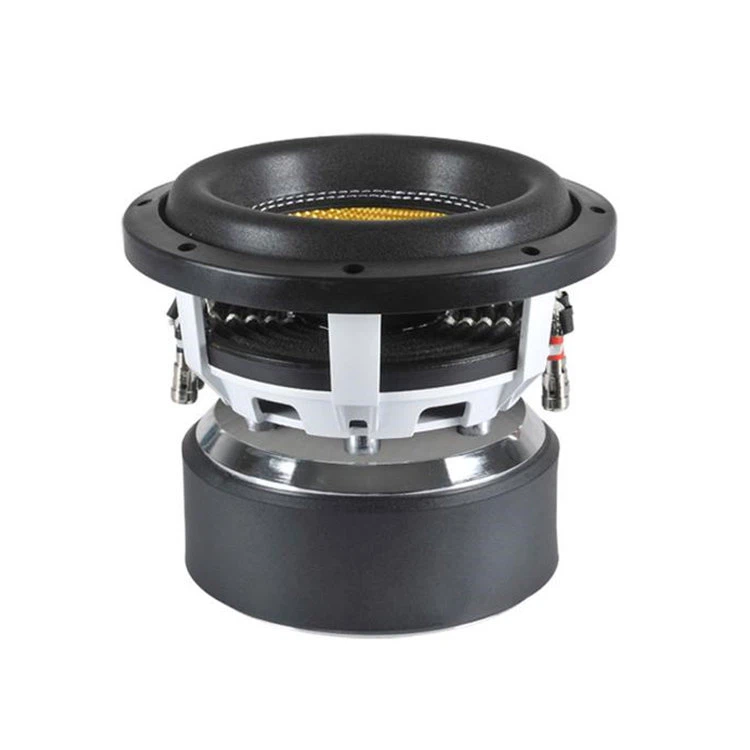
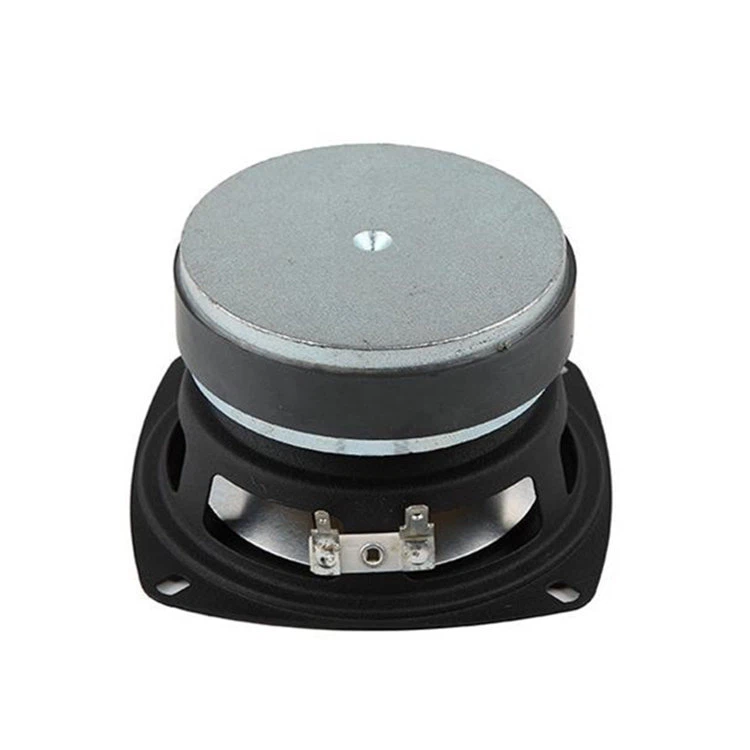
In contrast, smaller magnets may have limitations in providing a uniform magnetic field, especially when the voice coil moves over a larger distance. This can lead to increased distortion, particularly at higher volumes. Therefore, for applications where low distortion is crucial, such as in high - end audio systems or studio monitors, larger - magnet speakers are often preferred.
Power Handling
Power handling refers to the amount of electrical power a speaker can handle without being damaged. A larger speaker magnet can contribute to better power handling capabilities.
When a speaker is driven with a high - power audio signal, a large amount of current flows through the voice coil. A larger magnet can provide a stronger magnetic field, which allows the voice coil to move more efficiently. This means that the speaker can convert more of the electrical power into acoustic power without overheating or causing mechanical damage to the voice coil or the diaphragm.
For example, in a high - power home theater system or a professional sound reinforcement setup, speakers with large magnets are used to handle the high - power signals from amplifiers. Our 10 Inch Speaker Magnet is designed to offer excellent power handling, making it suitable for demanding audio applications.
Efficiency
Efficiency is a measure of how well a speaker converts electrical power into acoustic power. Larger magnets can enhance the efficiency of a speaker.
Since a larger magnet can generate a stronger magnetic field, it requires less electrical current to produce a given amount of force on the voice coil. This means that for the same amount of input power, a speaker with a larger magnet can produce a louder sound compared to a speaker with a smaller magnet. In other words, larger - magnet speakers are more efficient in converting electrical energy into sound energy.
This is particularly important in battery - powered audio devices or in situations where power consumption needs to be minimized. For example, in portable Bluetooth speakers, although they are often designed with smaller form factors, using a relatively larger magnet can improve their efficiency and extend the battery life.
Size and Weight Considerations
While larger magnets offer many performance advantages, they also come with some drawbacks. One of the main issues is the size and weight of the speaker. Larger magnets are physically bigger and heavier, which can limit the design flexibility of audio products.
In applications where space and weight are critical, such as in automotive audio systems or portable audio devices, manufacturers may need to find a balance between performance and size. They may opt for smaller magnets or use advanced magnet materials and designs to achieve a reasonable level of performance while keeping the size and weight in check.
However, in applications where size and weight are not major concerns, such as in home audio systems or professional audio installations, the performance benefits of larger magnets often outweigh the size and weight issues.
Specialized Magnet Designs
In recent years, there have been advancements in specialized magnet designs to optimize speaker performance. For example, the Subwoofer Impulse Triple Magnet is a unique design that combines multiple magnets to enhance the magnetic field strength and performance.
This type of design can provide a more powerful and uniform magnetic field, allowing for better low - frequency response and reduced distortion. Specialized magnet designs like this are becoming increasingly popular in high - end subwoofers and other low - frequency audio applications.
Conclusion
In conclusion, the size of a speaker magnet has a profound impact on various aspects of speaker performance, including magnetic field strength, frequency response, distortion, power handling, efficiency, and more. As a speaker magnet supplier, we understand the importance of choosing the right magnet size for different audio applications.
Whether you are a manufacturer of high - end audio systems, a professional sound engineer, or an audio enthusiast looking to upgrade your speakers, selecting the appropriate speaker magnet is crucial. We offer a wide range of speaker magnets in different sizes and designs to meet your specific needs.
If you are interested in learning more about our speaker magnets or would like to discuss your specific requirements, please feel free to contact us. We are committed to providing you with the best - quality speaker magnets and excellent customer service. Let's work together to create outstanding audio experiences.
References
- Beranek, Leo L. "Acoustics." American Institute of Physics, 1954.
- Olson, Harry F. "Elements of Acoustical Engineering." Van Nostrand, 1957.
- Toole, Floyd E. "Sound Reproduction: The Acoustics and Psychoacoustics of Loudspeakers and Rooms." Elsevier, 2008.