




How does the size of a woofer magnet affect performance?
 Jun 30, 2025|
 Hey there, audio enthusiasts and fellow sound lovers! I'm [Your Name], and I run a Woofer Magnet supply business. Over the years, I've seen firsthand how the size of a woofer magnet can make or break the performance of a speaker system. In this blog, I'm gonna break down exactly how magnet size impacts woofer performance and why it matters to you.
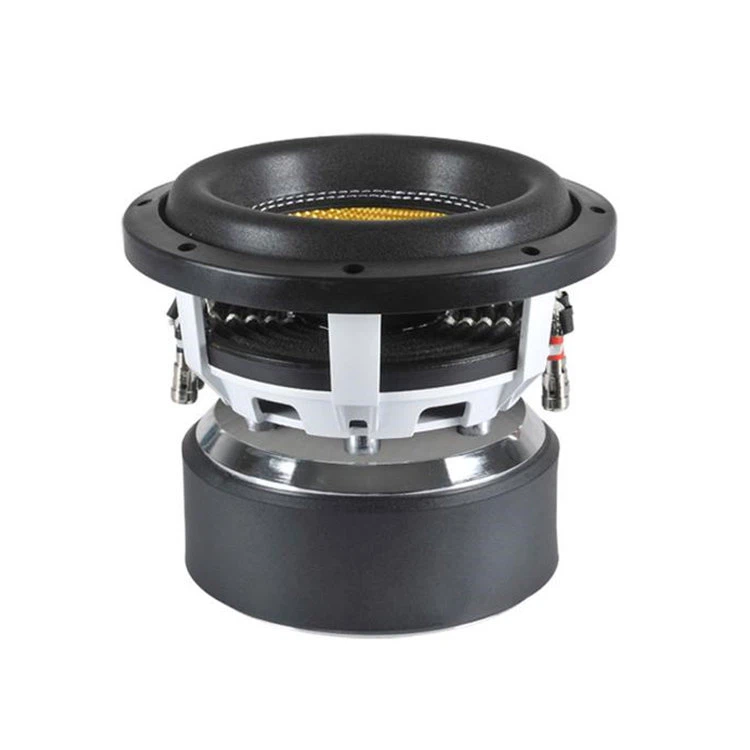
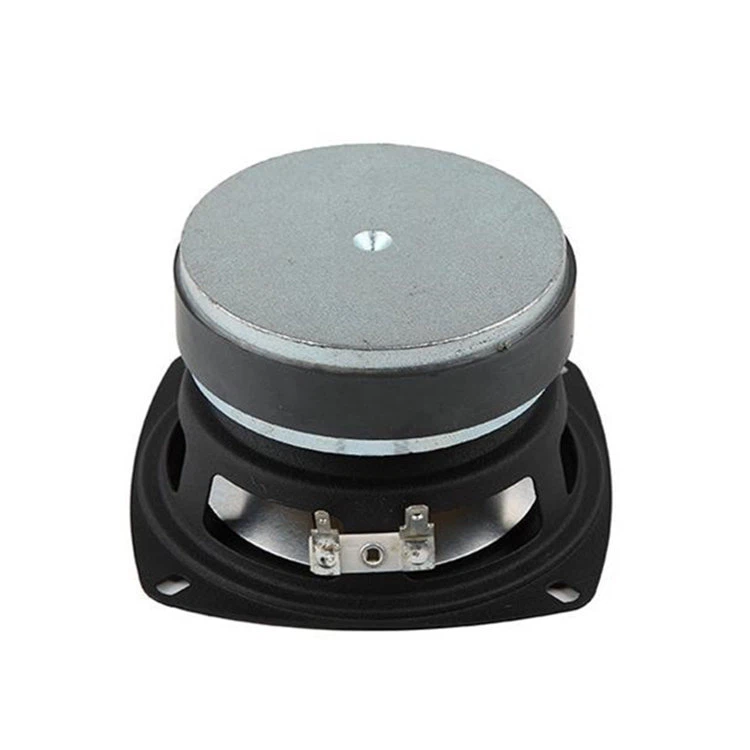
Let's start with the basics. A woofer is a type of speaker designed to reproduce low-frequency sounds, like the thumping bass in your favorite EDM track or the rumbling explosions in an action movie. The magnet in a woofer plays a crucial role in this process. It creates a magnetic field that interacts with the electrical current flowing through the voice coil, causing the diaphragm to move back and forth and produce sound waves.
Now, you might be wondering, "How does the size of the magnet come into play?" Well, the size of the magnet directly affects the strength of the magnetic field it generates. Generally speaking, a larger magnet can produce a stronger magnetic field. This stronger field has several key implications for woofer performance.
1. Power Handling
One of the most significant ways magnet size affects performance is in power handling. A larger magnet can handle more power without overheating or distorting the sound. When you crank up the volume on your speakers, you're essentially sending more electrical current through the voice coil. This increased current creates a stronger force on the diaphragm, which in turn produces louder sound. However, if the magnet isn't strong enough to handle this extra power, it can start to overheat, leading to distortion and potentially damaging the speaker.
For example, let's say you have a small woofer with a tiny magnet. If you try to play a track with a lot of bass at high volume, the magnet might not be able to generate a strong enough magnetic field to control the movement of the diaphragm properly. This can result in a muddy, distorted sound, and in extreme cases, it could even cause the voice coil to burn out. On the other hand, a larger magnet can handle the increased power more effectively, allowing the woofer to play louder and cleaner.
As a Woofer Magnet supplier, I often recommend larger magnets for high-power applications. If you're building a home theater system or a car audio setup that requires a lot of bass, a bigger magnet can make a world of difference. Check out our Woofer Magnet selection for options that can handle high power levels.
2. Sensitivity
Another important aspect of woofer performance is sensitivity. Sensitivity refers to how efficiently a speaker converts electrical power into sound. A more sensitive speaker can produce louder sound with less power. A larger magnet can increase the sensitivity of a woofer by providing a stronger magnetic field to interact with the voice coil.
When the magnetic field is stronger, the voice coil can move more easily, requiring less electrical current to produce the same amount of sound. This means that a woofer with a larger magnet can play louder with the same amount of power as a woofer with a smaller magnet. In practical terms, this translates to better efficiency and potentially lower power consumption.
If you're looking for a woofer that can deliver high-volume sound without draining your power supply, consider a larger magnet. Our 10 Inch Speaker Magnet is a great option for those who want a combination of size, sensitivity, and performance.
3. Frequency Response
The size of the magnet can also have an impact on the frequency response of a woofer. Frequency response refers to the range of frequencies that a speaker can reproduce accurately. A well-designed woofer should be able to reproduce low frequencies with clarity and precision.
A larger magnet can help improve the low-frequency response of a woofer by providing more control over the movement of the diaphragm. When the diaphragm moves more precisely, it can produce cleaner, more accurate bass notes. This is especially important for music genres that rely heavily on bass, such as hip-hop, electronic, and reggae.
However, it's important to note that magnet size isn't the only factor that affects frequency response. Other factors, such as the design of the woofer enclosure and the materials used in the diaphragm, also play a role. But in general, a larger magnet can give you a better starting point for achieving a great low-frequency response.
4. Distortion
Distortion is the enemy of good sound quality. It occurs when the speaker doesn't reproduce the original audio signal accurately, resulting in a distorted or altered sound. A larger magnet can help reduce distortion by providing a stronger and more stable magnetic field.
When the magnetic field is strong and stable, the voice coil can move more precisely, following the electrical signal more accurately. This means that the diaphragm can reproduce the sound waves more faithfully, resulting in less distortion. In contrast, a smaller magnet may not be able to provide enough control over the voice coil, leading to uneven movement and increased distortion.
If you're a audiophile who demands the highest level of sound quality, a larger magnet is definitely worth considering. Our Subwoofer Impulse Triple Magnet is designed to minimize distortion and deliver crystal-clear bass.
5. Cost and Size Considerations
Of course, there are some trade-offs to consider when it comes to using a larger magnet. One of the main drawbacks is cost. Larger magnets generally cost more to manufacture, which means that speakers with larger magnets are often more expensive. Additionally, larger magnets can also add weight and size to the woofer, which may not be ideal for all applications.
If you're on a budget or have limited space, you may need to find a balance between magnet size and performance. In some cases, a smaller magnet may be sufficient for your needs. However, if you're willing to invest in high-quality sound, a larger magnet can offer significant benefits.
Conclusion
In conclusion, the size of a woofer magnet has a profound impact on performance. A larger magnet can improve power handling, sensitivity, frequency response, and reduce distortion, resulting in a better overall listening experience. As a Woofer Magnet supplier, I've seen the difference that a well-chosen magnet can make in a speaker system.
If you're in the market for a new woofer or looking to upgrade your existing system, I encourage you to consider the size of the magnet. Whether you're a professional audio engineer or a casual music lover, the right magnet can take your sound to the next level.
If you have any questions or want to discuss your specific needs, don't hesitate to reach out. We're here to help you find the perfect Woofer Magnet for your application. Let's start a conversation and see how we can enhance your audio setup together!
References
- Everest, F. A., & Pohlmann, K. C. (2009). Master Handbook of Acoustics. McGraw-Hill Professional.
- Toole, F. E. (2008). Sound Reproduction: The Acoustics and Psychoacoustics of Loudspeakers and Rooms. Focal Press.