




How does the temperature coefficient of a cylindrical magnet affect its performance?
 Nov 20, 2025|
 As a supplier of cylindrical magnets, I've witnessed firsthand the critical role that the temperature coefficient plays in determining the performance of these remarkable magnetic components. In this blog post, I'll delve into the intricacies of how the temperature coefficient of a cylindrical magnet affects its performance, exploring the underlying principles, real-world implications, and practical considerations for various applications.
Understanding the Temperature Coefficient
Before we dive into the impact of the temperature coefficient on cylindrical magnet performance, let's first understand what the temperature coefficient is. In simple terms, the temperature coefficient of a magnet refers to the rate at which its magnetic properties change with temperature. It is typically expressed as a percentage change in magnetic flux density (Br) or intrinsic coercivity (Hci) per degree Celsius.
There are two main types of temperature coefficients: the reversible temperature coefficient and the irreversible temperature coefficient. The reversible temperature coefficient describes the temporary change in magnetic properties that occurs as the temperature fluctuates within a certain range. Once the temperature returns to its original value, the magnetic properties also revert to their initial state. On the other hand, the irreversible temperature coefficient refers to the permanent loss of magnetic properties that occurs when the magnet is exposed to temperatures above its maximum operating temperature.
Impact on Magnetic Flux Density
One of the most significant ways in which the temperature coefficient affects the performance of a cylindrical magnet is through its impact on magnetic flux density (Br). Magnetic flux density is a measure of the strength of the magnetic field produced by the magnet. As the temperature increases, the magnetic flux density of a cylindrical magnet typically decreases. This is because the thermal energy causes the magnetic domains within the magnet to become more disordered, reducing the overall alignment of the magnetic moments and thus weakening the magnetic field.
The rate at which the magnetic flux density decreases with temperature is determined by the reversible temperature coefficient of the magnet. For example, a magnet with a high reversible temperature coefficient will experience a more significant decrease in magnetic flux density for a given increase in temperature compared to a magnet with a low reversible temperature coefficient. This can have a profound impact on the performance of applications that rely on a stable magnetic field, such as electric motors, generators, and magnetic sensors.
In applications where a consistent magnetic field is required, it is essential to choose a cylindrical magnet with a low reversible temperature coefficient. This ensures that the magnetic flux density remains relatively stable over a wide range of temperatures, minimizing the effects of temperature variations on the performance of the application. Additionally, proper thermal management techniques, such as cooling systems or heat sinks, can be employed to maintain the magnet within its optimal operating temperature range.
Impact on Intrinsic Coercivity
In addition to its impact on magnetic flux density, the temperature coefficient also affects the intrinsic coercivity (Hci) of a cylindrical magnet. Intrinsic coercivity is a measure of the magnet's resistance to demagnetization. As the temperature increases, the intrinsic coercivity of a magnet typically decreases, making it more susceptible to demagnetization.
This decrease in intrinsic coercivity can be particularly problematic in applications where the magnet is exposed to external magnetic fields or mechanical stress. For example, in electric motors, the magnet may be subjected to high levels of electromagnetic interference or mechanical vibrations, which can cause the magnetic domains within the magnet to become misaligned and lead to demagnetization. If the intrinsic coercivity of the magnet is too low, it may not be able to withstand these external forces, resulting in a permanent loss of magnetic strength and a decrease in the performance of the motor.
To mitigate the effects of temperature on intrinsic coercivity, it is important to choose a cylindrical magnet with a high maximum operating temperature and a low irreversible temperature coefficient. This ensures that the magnet can withstand elevated temperatures without experiencing a significant loss of intrinsic coercivity. Additionally, proper shielding and mechanical design can be employed to reduce the exposure of the magnet to external magnetic fields and mechanical stress.
Real-World Applications
The impact of the temperature coefficient on the performance of cylindrical magnets is evident in a wide range of real-world applications. Let's take a closer look at some specific examples:
Electric Motors
Electric motors are one of the most common applications of cylindrical magnets. In an electric motor, the cylindrical magnet is used to create a magnetic field that interacts with the electric current in the motor's coils to produce rotational motion. The performance of an electric motor is directly related to the strength and stability of the magnetic field produced by the magnet.
As the temperature of the motor increases during operation, the magnetic flux density of the cylindrical magnet decreases, resulting in a decrease in the motor's torque and efficiency. Additionally, the decrease in intrinsic coercivity makes the magnet more susceptible to demagnetization, which can lead to a permanent loss of motor performance. To ensure the reliable operation of electric motors, it is crucial to choose cylindrical magnets with low temperature coefficients and proper thermal management systems.
Magnetic Sensors
Magnetic sensors are used in a variety of applications, including automotive, aerospace, and industrial automation, to detect the presence, position, or strength of a magnetic field. These sensors rely on the stable magnetic field produced by a cylindrical magnet to function accurately. Any change in the magnetic field due to temperature variations can affect the performance of the sensor and lead to inaccurate readings.
For example, in an automotive anti-lock braking system (ABS), magnetic sensors are used to monitor the speed of the wheels. If the temperature coefficient of the cylindrical magnet in the sensor is too high, the magnetic field strength may vary significantly with temperature, causing the sensor to provide inaccurate speed readings. This can compromise the safety and performance of the ABS system. To ensure the reliability of magnetic sensors, it is essential to choose cylindrical magnets with low temperature coefficients and proper temperature compensation techniques.
Magnetic Resonance Imaging (MRI)
MRI is a medical imaging technique that uses strong magnetic fields and radio waves to produce detailed images of the internal structures of the body. Cylindrical magnets are used in MRI machines to generate the static magnetic field required for the imaging process. The performance of an MRI machine is highly dependent on the stability and uniformity of the magnetic field produced by the magnet.
Temperature variations can have a significant impact on the magnetic field of an MRI machine, leading to image artifacts and reduced image quality. To minimize the effects of temperature on the performance of the MRI machine, it is necessary to use cylindrical magnets with low temperature coefficients and advanced thermal management systems. These systems help to maintain the magnet at a constant temperature, ensuring a stable and uniform magnetic field for high-quality imaging.
Choosing the Right Cylindrical Magnet
When selecting a cylindrical magnet for a specific application, it is crucial to consider the temperature coefficient and its impact on performance. Here are some key factors to keep in mind:
Maximum Operating Temperature
The maximum operating temperature of a cylindrical magnet is the highest temperature at which the magnet can be used without experiencing a significant loss of magnetic properties. It is important to choose a magnet with a maximum operating temperature that is higher than the expected temperature range of the application. This ensures that the magnet can withstand the thermal conditions without permanent damage.
Temperature Coefficient
As discussed earlier, the temperature coefficient of a magnet determines how its magnetic properties change with temperature. For applications that require a stable magnetic field, it is advisable to choose a magnet with a low reversible temperature coefficient. This helps to minimize the effects of temperature variations on the magnetic flux density and ensures consistent performance.
Material Selection
The choice of magnet material also plays a crucial role in determining the temperature coefficient and overall performance of the cylindrical magnet. Different magnet materials have different temperature coefficients and maximum operating temperatures. For example, neodymium magnets are known for their high magnetic strength but have a relatively high temperature coefficient compared to other magnet materials. Samarium cobalt magnets, on the other hand, have a lower temperature coefficient and a higher maximum operating temperature, making them suitable for applications that require a stable magnetic field at high temperatures.
Conclusion
In conclusion, the temperature coefficient of a cylindrical magnet has a significant impact on its performance, particularly in terms of magnetic flux density and intrinsic coercivity. Understanding how the temperature coefficient affects these properties is essential for choosing the right magnet for a specific application and ensuring its reliable operation.
As a supplier of cylindrical magnets, we offer a wide range of high-quality magnets with low temperature coefficients and excellent thermal stability. Our Cylinder Shape Magnet, Small Cylindrical Magnets, and Hollow Cylinder Magnets are designed to meet the diverse needs of various industries and applications.

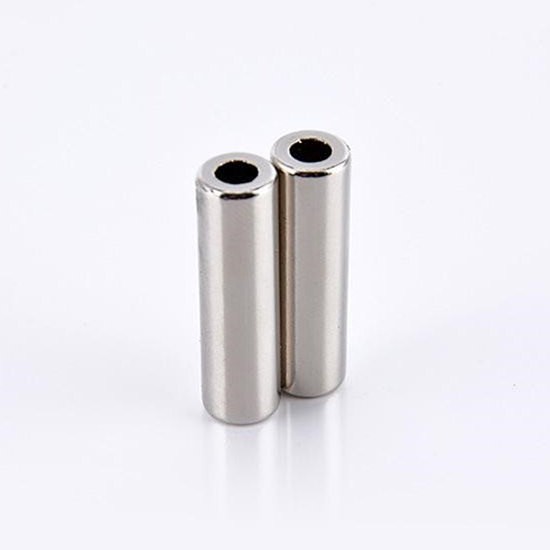
If you are interested in learning more about our cylindrical magnets or have specific requirements for your application, we encourage you to contact us for a consultation. Our team of experts will be happy to assist you in selecting the right magnet and providing you with the technical support you need to ensure the success of your project.
References
- Handbook of Magnetic Materials, edited by K. H. J. Buschow
- Magnetic Materials and Their Applications, by E. C. Stoner and E. P. Wohlfarth
- Introduction to Magnetic Materials, by B. D. Cullity and C. D. Graham