




How to analyze the magnetic field distribution of a speaker magnet?
 May 26, 2025|
 As a seasoned speaker magnet supplier, I've witnessed firsthand the pivotal role that understanding magnetic field distribution plays in the performance of speakers. In this blog post, I'll share some insights on how to analyze the magnetic field distribution of a speaker magnet, a crucial step in ensuring optimal speaker functionality.
Why Analyze Magnetic Field Distribution?
Before delving into the analysis methods, it's essential to understand why we need to analyze the magnetic field distribution of a speaker magnet. The magnetic field generated by the speaker magnet interacts with the electrical current in the voice coil, producing a mechanical force that moves the diaphragm and creates sound. A well - distributed magnetic field ensures uniform force on the voice coil, resulting in clear, distortion - free sound. On the other hand, an uneven magnetic field can lead to various issues such as distortion, reduced efficiency, and uneven frequency response.
Tools for Analyzing Magnetic Field Distribution
-
Gauss Meter
A Gauss meter, also known as a magnetometer, is a fundamental tool for measuring the magnetic field strength. It can provide point - by - point measurements of the magnetic field at different locations around the speaker magnet. By taking multiple measurements across the surface and at different distances from the magnet, we can start to map out the general shape and strength of the magnetic field. -
Magnetic Field Mapping Software
There are several software programs available that can help in analyzing and visualizing the magnetic field distribution. These programs can take the data collected from the Gauss meter and create detailed maps of the magnetic field. They can show the magnetic field lines, strength contours, and other important characteristics, allowing for a more in - depth analysis. -
Finite Element Analysis (FEA) Software
FEA software is a powerful tool for simulating the magnetic field distribution of a speaker magnet. It uses numerical methods to solve the governing equations of electromagnetism and can provide highly accurate predictions of the magnetic field in complex geometries. FEA software can take into account factors such as the shape of the magnet, the materials used, and the presence of other components in the speaker system.
Step - by - Step Analysis Process
-
Define the Objectives
The first step in analyzing the magnetic field distribution is to define the objectives. Are you looking to optimize the sound quality, improve the efficiency of the speaker, or ensure compliance with certain standards? Clearly defining the objectives will help in choosing the appropriate analysis methods and parameters. -
Collect Data
If using a Gauss meter, start by taking measurements at various points around the speaker magnet. The number and location of the measurement points will depend on the size and shape of the magnet. For a more comprehensive analysis, take measurements at different heights and angles. Record the magnetic field strength and the corresponding position for each measurement. -
Use Magnetic Field Mapping Software
Input the data collected from the Gauss meter into the magnetic field mapping software. The software will process the data and generate a visual representation of the magnetic field distribution. Look for areas of high and low magnetic field strength, as well as any irregularities or asymmetries in the field. -
Perform FEA Simulation
If available, use FEA software to simulate the magnetic field distribution. Start by creating a 3D model of the speaker magnet, including its shape, dimensions, and material properties. Define the boundary conditions, such as the presence of other components in the speaker system. Run the simulation and analyze the results. Compare the simulation results with the data collected from the Gauss meter to validate the accuracy of the simulation.
Factors Affecting Magnetic Field Distribution
- Magnet Shape
The shape of the speaker magnet has a significant impact on the magnetic field distribution. Different shapes, such as cylindrical, rectangular, or ring - shaped magnets, will produce different magnetic field patterns. For example, a ring - shaped magnet can create a more concentrated magnetic field in the center, which is beneficial for some speaker designs. - Magnet Material
The material of the speaker magnet also affects the magnetic field distribution. Common materials used for speaker magnets include ferrite, neodymium, and samarium - cobalt. Each material has different magnetic properties, such as remanence and coercivity, which will influence the strength and shape of the magnetic field. - Surrounding Components
The presence of other components in the speaker system, such as the voice coil, diaphragm, and frame, can also affect the magnetic field distribution. These components can interact with the magnetic field and cause distortions or changes in the field pattern. Therefore, it's important to consider the entire speaker system when analyzing the magnetic field distribution.
Applications in Speaker Design
Understanding the magnetic field distribution of a speaker magnet is crucial in speaker design. By optimizing the magnetic field distribution, we can improve the performance of the speaker in several ways:
- Sound Quality
A well - distributed magnetic field ensures uniform force on the voice coil, resulting in more accurate sound reproduction. This can reduce distortion and improve the clarity and fidelity of the sound. - Efficiency
An optimized magnetic field can increase the efficiency of the speaker by reducing the amount of energy wasted in the form of heat. This can lead to lower power consumption and longer battery life in portable speakers. - Frequency Response
The magnetic field distribution can also affect the frequency response of the speaker. By carefully designing the magnetic field, we can ensure a flat frequency response across the entire audio spectrum, resulting in more balanced sound.
Our Speaker Magnet Products
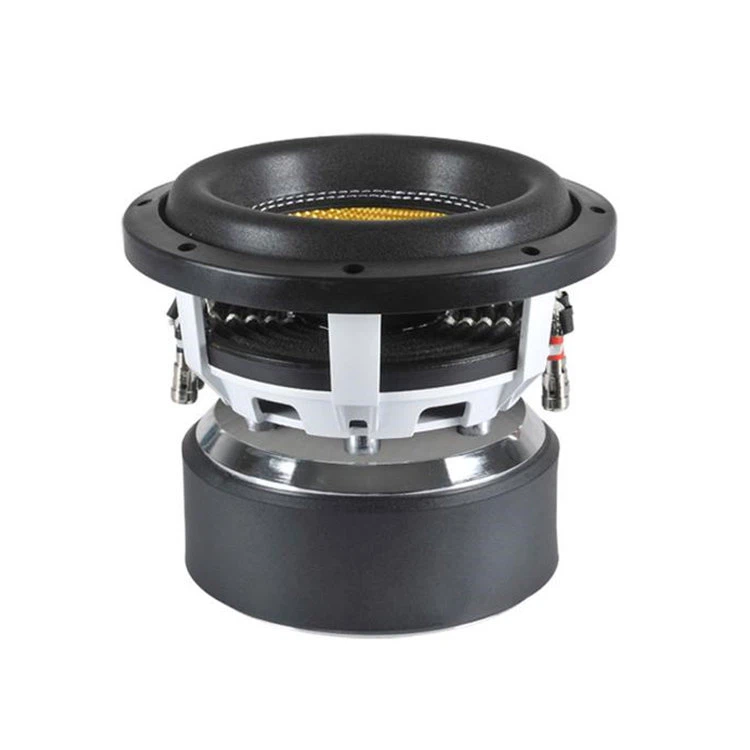
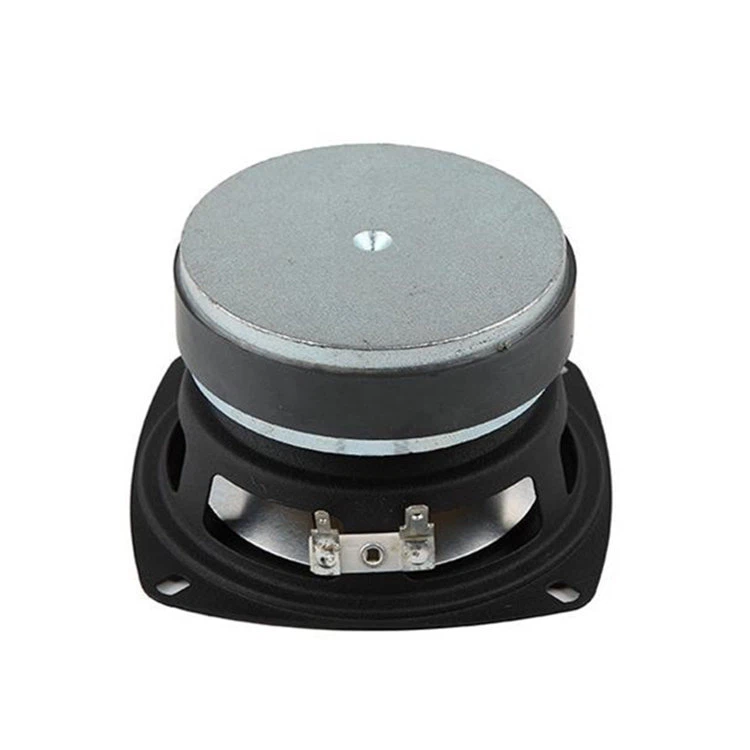
As a speaker magnet supplier, we offer a wide range of high - quality speaker magnets, including the Subwoofer Impulse Triple Magnet, Woofer Magnet, and 10 Inch Speaker Magnet. These magnets are designed with precision to provide optimal magnetic field distribution, ensuring excellent performance in various speaker applications.
Conclusion
Analyzing the magnetic field distribution of a speaker magnet is a complex but essential process in speaker design and manufacturing. By using the right tools and methods, we can gain a better understanding of the magnetic field and optimize it for improved sound quality, efficiency, and frequency response. If you're in the market for high - quality speaker magnets or need more information on magnetic field analysis, please feel free to contact us for a procurement discussion. We're committed to providing the best products and technical support to meet your needs.
References
- Cullity, B. D., & Graham, C. D. (2008). Introduction to Magnetic Materials. Wiley - Interscience.
- Sadiku, M. N. O. (2014). Elements of Electromagnetics. Oxford University Press.
- White, R. M. (1983). Classical Electromagnetism. Wiley.