




How to coat a ring magnet?
 May 19, 2025|
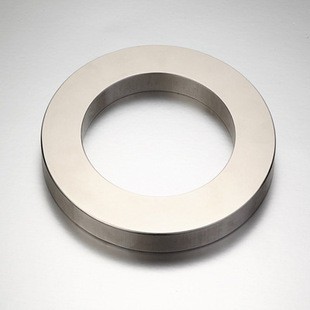
 As a seasoned ring magnet supplier, I've witnessed firsthand the importance of proper coating for these versatile components. Ring magnets are used in a wide range of applications, from electronics and automotive to medical devices and renewable energy systems. The coating not only protects the magnet from corrosion and mechanical damage but also enhances its performance and longevity. In this blog post, I'll share some valuable insights on how to coat a ring magnet effectively.
Understanding the Importance of Coating
Before delving into the coating process, it's crucial to understand why coating is necessary. Ring magnets, especially those made of neodymium, are prone to corrosion due to their high iron content. Exposure to moisture, oxygen, and other environmental factors can cause the magnet to rust and degrade over time, leading to a loss of magnetic strength and performance. A protective coating acts as a barrier, preventing these corrosive elements from reaching the magnet's surface and extending its lifespan.
In addition to corrosion protection, a coating can also improve the magnet's mechanical properties. It can enhance the magnet's resistance to wear, abrasion, and impact, making it more durable and reliable in demanding applications. Moreover, a well-coated magnet can have better adhesion to other materials, allowing for easier integration into various assemblies.
Types of Coatings
There are several types of coatings available for ring magnets, each with its own unique properties and advantages. The choice of coating depends on the specific application requirements, such as the operating environment, desired level of protection, and budget. Here are some common types of coatings used for ring magnets:
Nickel-Copper-Nickel (Ni-Cu-Ni) Coating
This is one of the most popular coatings for neodymium ring magnets. It consists of three layers: a thin layer of nickel as the base, a layer of copper for better adhesion and corrosion resistance, and a final layer of nickel for protection and a smooth finish. Ni-Cu-Ni coating provides excellent corrosion resistance, good mechanical properties, and a relatively low cost. It is suitable for a wide range of applications, including electronics, motors, and sensors.
Zinc Coating
Zinc coating is another common option for ring magnets. It offers good corrosion resistance and is relatively inexpensive. Zinc coating is often used in applications where the magnet is exposed to mild to moderate corrosion environments, such as in automotive components and consumer electronics. However, zinc coating may not be as durable as Ni-Cu-Ni coating in more severe environments.
Epoxy Coating
Epoxy coating is a thick, protective coating that provides excellent resistance to corrosion, chemicals, and abrasion. It can also offer good electrical insulation properties, making it suitable for applications where electrical isolation is required. Epoxy coating is often used in harsh environments, such as in marine and industrial applications. However, it may be more expensive than other coatings and may require special handling and curing processes.
Parylene Coating
Parylene coating is a thin, conformal coating that provides excellent protection against moisture, chemicals, and abrasion. It has a low coefficient of friction and good biocompatibility, making it suitable for applications in the medical and aerospace industries. Parylene coating is applied using a vapor deposition process, which ensures a uniform and thin coating on the magnet's surface. However, it is relatively expensive and may require specialized equipment and expertise.
The Coating Process
The coating process for ring magnets typically involves several steps, including surface preparation, coating application, and curing. Here is a general overview of the coating process:
Surface Preparation
The first step in the coating process is to prepare the magnet's surface. This involves cleaning the magnet to remove any dirt, grease, or other contaminants that may affect the adhesion of the coating. The magnet can be cleaned using a variety of methods, such as ultrasonic cleaning, solvent cleaning, or chemical etching. After cleaning, the magnet is dried thoroughly to ensure a clean and dry surface for coating application.

Coating Application
Once the surface is prepared, the coating can be applied to the magnet. The method of coating application depends on the type of coating being used. For example, Ni-Cu-Ni coating is typically applied using an electroplating process, where the magnet is immersed in a series of plating baths containing nickel and copper salts. Zinc coating can be applied using a hot-dip galvanizing process or an electroplating process. Epoxy coating is usually applied using a spray or dip coating method, while parylene coating is applied using a vapor deposition process.
Curing
After the coating is applied, it needs to be cured to ensure proper adhesion and performance. The curing process depends on the type of coating being used. For example, Ni-Cu-Ni coating is typically cured at room temperature, while epoxy coating may require heating to a specific temperature for a certain period of time to cure properly. Parylene coating is cured during the vapor deposition process.
Quality Control
Quality control is an essential part of the coating process to ensure that the coated ring magnets meet the required specifications and performance standards. Here are some key quality control measures that should be implemented:
Coating Thickness Measurement
The thickness of the coating is an important parameter that affects the magnet's performance and protection. The coating thickness can be measured using various methods, such as magnetic induction, eddy current, or optical microscopy. The coating thickness should be within the specified range to ensure proper protection and performance.
Adhesion Testing
The adhesion of the coating to the magnet's surface is crucial for its long-term performance. Adhesion testing can be performed using various methods, such as tape test, scratch test, or pull-off test. The coating should have good adhesion to the magnet's surface to prevent peeling or flaking.
Corrosion Resistance Testing
The corrosion resistance of the coated magnet is one of the most important performance indicators. Corrosion resistance testing can be performed using various methods, such as salt spray test, humidity test, or immersion test. The coated magnet should be able to withstand the specified corrosion environment for a certain period of time without significant corrosion or degradation.

Conclusion
Coating a ring magnet is a critical step in ensuring its performance, durability, and longevity. By choosing the right coating and following the proper coating process, you can protect the magnet from corrosion, mechanical damage, and other environmental factors, and enhance its performance in various applications. As a ring magnet supplier, we offer a wide range of coated ring magnets, including Super Magnetic Ring, Diametrically Magnetized Ring Magnet, and Magnet Source Neodymium Magnet Ring. If you have any questions or need more information about our coated ring magnets, please feel free to contact us for procurement and negotiation.
References
- "Magnet Coating Technologies" by Magnetics International
- "Corrosion Protection of Neodymium Magnets" by the Journal of Magnetism and Magnetic Materials
- "Surface Coating for Permanent Magnets" by the Institute of Electrical and Electronics Engineers (IEEE)