




How to demagnetize a cylinder shape magnet?
 Sep 02, 2025|
 Hey there! As a supplier of Cylinder Shape Magnet, I've been getting a lot of questions lately about how to demagnetize these cylindrical magnets. So, I thought I'd put together this blog post to share some tips and methods on the topic.
Why Would You Want to Demagnetize a Cylinder Shape Magnet?
First off, you might be wondering why anyone would want to demagnetize a magnet in the first place. Well, there are a few reasons. Maybe you're using the magnet in a project, and you need to adjust its magnetic strength. Or perhaps you're recycling the magnet and want to get rid of its magnetic properties before reusing or disposing of it. Sometimes, magnets can become magnetized accidentally, and you need to demagnetize them to restore them to their original state.
How Magnets Work
Before we dive into the demagnetization methods, let's quickly go over how magnets work. Magnets have north and south poles, and the magnetic field is created by the alignment of tiny magnetic domains within the material. When these domains are aligned in the same direction, the magnet has a strong magnetic field. To demagnetize a magnet, we need to disrupt this alignment.
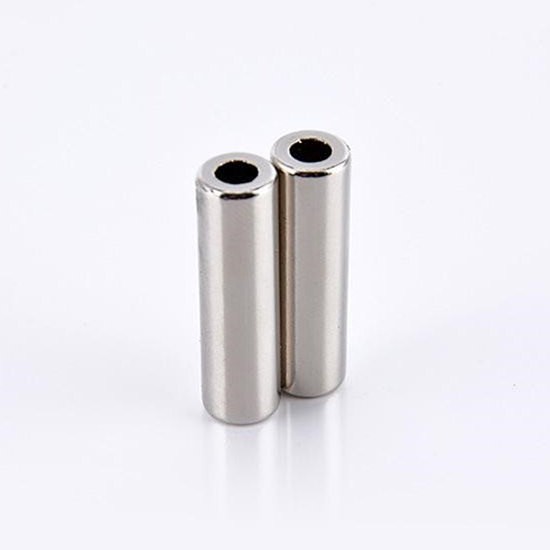

Methods of Demagnetizing a Cylinder Shape Magnet
1. Heating
One of the most common ways to demagnetize a magnet is by heating it. Every magnet has a specific temperature called the Curie temperature. When a magnet is heated above its Curie temperature, the thermal energy disrupts the alignment of the magnetic domains, causing the magnet to lose its magnetic properties.
For different types of magnets, the Curie temperatures vary. For example, neodymium magnets, which are commonly used in Small Cylindrical Magnets, have a Curie temperature of around 310 - 400°C (590 - 752°F). Ferrite magnets have a higher Curie temperature, usually around 450 - 460°C (842 - 860°F).
To use this method, you'll need a heat source like a furnace or a hot plate. Place the cylinder shape magnet in the heat source and gradually increase the temperature until it reaches the Curie temperature. Keep it at this temperature for a few minutes to ensure that the magnetic domains are fully disrupted. Then, let the magnet cool down slowly. Once it's cooled, it should be demagnetized.
However, be careful when using this method. Heating a magnet can also cause it to change its physical properties, such as becoming brittle. And make sure you're following all safety precautions when working with high temperatures.
2. Hammering
Another simple way to demagnetize a magnet is by hammering it. When you strike a magnet with a hammer, the mechanical shock can disrupt the alignment of the magnetic domains.
To do this, place the cylinder shape magnet on a hard surface and use a hammer to strike it repeatedly. You don't need to use excessive force, but a series of firm blows should do the trick. Keep in mind that this method might not completely demagnetize the magnet, especially if it's a strong one like a neodymium magnet. But it can reduce its magnetic strength to some extent.
3. Using an Alternating Magnetic Field
This method is a bit more technical but can be very effective. You'll need an alternating current (AC) electromagnet to create an alternating magnetic field.
First, place the cylinder shape magnet inside the coil of the electromagnet. Then, turn on the AC power supply. The alternating magnetic field will cause the magnetic domains in the magnet to constantly change their alignment. Gradually reduce the strength of the alternating magnetic field to zero. This process will randomize the alignment of the magnetic domains, effectively demagnetizing the magnet.
This method is often used in industrial settings where a high degree of demagnetization is required. It's also a good option if you want to demagnetize a magnet without changing its physical properties.
Precautions When Demagnetizing Cylinder Shape Magnets
- Safety First: When using the heating method, make sure you're wearing appropriate protective gear like heat-resistant gloves and goggles. Also, work in a well - ventilated area to avoid inhaling any fumes.
- Magnet Type: Different types of magnets have different properties, so the demagnetization methods might work differently for each type. For example, some magnets are more brittle and might break easily when hammered.
- Accuracy: If you're demagnetizing a magnet for a specific purpose, like adjusting its magnetic strength, you might need to measure the magnetic field before and after the demagnetization process to ensure you're getting the desired result.
Applications of Demagnetized Cylinder Shape Magnets
Once you've demagnetized a cylinder shape magnet, you might be wondering what you can do with it. Well, a demagnetized magnet can be reused in various ways. For example, you can remagnetize it to have a different magnetic strength or polarity. It can also be used in non - magnetic applications where the original magnetic properties were a hindrance.
Conclusion
Demagnetizing a cylinder shape magnet can be done using several methods, including heating, hammering, and using an alternating magnetic field. Each method has its own advantages and disadvantages, and the choice of method depends on the type of magnet, the degree of demagnetization required, and the available equipment.
If you're in the market for high - quality Cylinder Shape Magnet or Hollow Cylinder Magnets, we're here to help. Whether you need them for a small DIY project or a large - scale industrial application, we've got you covered. If you have any questions about our products or the demagnetization process, feel free to reach out. We're always happy to assist you in finding the right solution for your needs.
References
- "Magnetism and Magnetic Materials" by David Jiles
- "Handbook of Magnetic Materials" edited by Klaus H. J. Buschow