




How to evaluate the performance of a cylindrical magnet in a dynamic environment?
 Jul 25, 2025|
 Hey there! As a supplier of cylindrical magnets, I've been getting a lot of questions lately about how to evaluate the performance of these magnets in a dynamic environment. Well, you've come to the right place! In this blog post, I'm gonna share some key factors and methods to help you figure that out.
First off, let's talk about what a dynamic environment means. It's basically a situation where the magnet is subject to changing conditions, like varying temperatures, vibrations, or mechanical stresses. These factors can have a big impact on the magnet's performance, so it's crucial to understand how to assess it.
Magnetic Field Strength
One of the most important aspects of a cylindrical magnet's performance is its magnetic field strength. This is what makes the magnet useful in all sorts of applications, from motors to sensors. To evaluate the magnetic field strength in a dynamic environment, you can use a gaussmeter. This handy tool measures the magnetic flux density, which is a measure of how strong the magnetic field is at a particular point.
When using a gaussmeter, it's important to take measurements at different points around the magnet and at different times to account for any changes in the environment. For example, if the magnet is exposed to high temperatures, the magnetic field strength may decrease. By taking regular measurements, you can track these changes and determine if the magnet is still performing as expected.
Coercivity
Another key parameter to consider is coercivity. Coercivity is a measure of the magnet's resistance to demagnetization. In a dynamic environment, the magnet may be subjected to external magnetic fields or mechanical stresses that could potentially demagnetize it. A magnet with high coercivity is better able to maintain its magnetic field strength under these conditions.
To evaluate the coercivity of a cylindrical magnet, you can use a hysteresis loop tracer. This device measures the relationship between the magnetic field strength and the magnetization of the magnet. By analyzing the hysteresis loop, you can determine the coercivity of the magnet and assess its ability to resist demagnetization.
Temperature Stability
Temperature can have a significant impact on the performance of a cylindrical magnet. As the temperature increases, the magnetic field strength of the magnet may decrease, and in some cases, the magnet may even lose its magnetization completely. This is known as the Curie temperature, which is the temperature at which the magnet loses its ferromagnetic properties.
To evaluate the temperature stability of a cylindrical magnet, you can use a temperature chamber to expose the magnet to different temperatures and measure its magnetic field strength at each temperature. By plotting the magnetic field strength as a function of temperature, you can determine the temperature coefficient of the magnet, which is a measure of how much the magnetic field strength changes with temperature.
Mechanical Stability
In addition to temperature, mechanical stresses can also affect the performance of a cylindrical magnet. For example, if the magnet is subjected to vibrations or shocks, it may crack or break, which could lead to a loss of magnetic field strength. To evaluate the mechanical stability of a cylindrical magnet, you can perform mechanical tests, such as drop tests or vibration tests.
During these tests, you can monitor the magnetic field strength of the magnet to determine if there are any changes. If the magnetic field strength decreases significantly after a mechanical test, it may indicate that the magnet has been damaged and is no longer performing as expected.
Material Properties
The material properties of the cylindrical magnet also play a crucial role in its performance. There are several types of materials used to make cylindrical magnets, including neodymium, samarium cobalt, and ferrite. Each material has its own unique properties, such as magnetic field strength, coercivity, and temperature stability.
When choosing a cylindrical magnet for a particular application, it's important to consider the material properties and select a magnet that is best suited for the dynamic environment. For example, if the application requires a high magnetic field strength and good temperature stability, a neodymium magnet may be a good choice. On the other hand, if the application requires a low-cost magnet with moderate magnetic field strength, a ferrite magnet may be more suitable.
Applications of Cylindrical Magnets
Cylindrical magnets are used in a wide range of applications, including motors, generators, sensors, and magnetic separators. In each of these applications, the performance of the magnet is critical to the overall performance of the device.
For example, in a motor, the cylindrical magnet is used to create a magnetic field that interacts with the electric current in the coils to produce torque. If the magnet's performance is poor, the motor may not operate efficiently or may even fail to start. Similarly, in a sensor, the cylindrical magnet is used to detect changes in the magnetic field, and if the magnet's performance is not stable, the sensor may produce inaccurate readings.

Where to Find Cylindrical Magnets
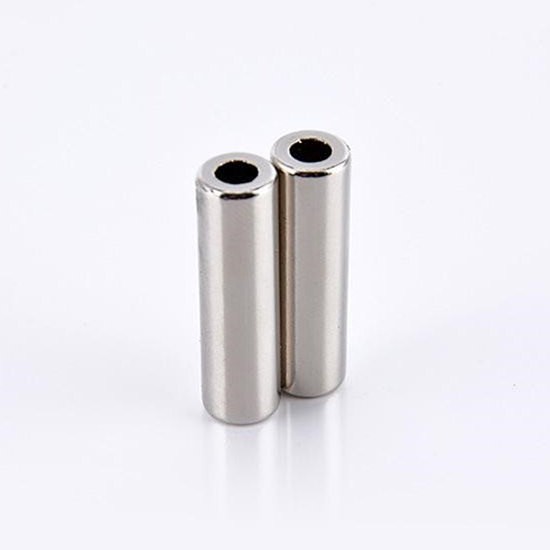
If you're in the market for cylindrical magnets, you can check out our website for a wide selection of Cylinder Shape Magnet, Cylindrical Permanent Magnet, and Hollow Cylinder Magnets. We offer high-quality magnets at competitive prices and can provide custom solutions to meet your specific requirements.
Conclusion
Evaluating the performance of a cylindrical magnet in a dynamic environment is a complex process that requires careful consideration of several factors, including magnetic field strength, coercivity, temperature stability, mechanical stability, and material properties. By using the methods and tools described in this blog post, you can accurately assess the performance of a cylindrical magnet and determine if it is suitable for your application.
If you have any questions or need further assistance in evaluating the performance of a cylindrical magnet, please don't hesitate to contact us. We're here to help you find the right magnet for your needs and ensure that it performs as expected in your dynamic environment.
References
- "Magnetism and Magnetic Materials" by David Jiles
- "Handbook of Magnetic Materials" edited by Klaus H. J. Buschow
- "Permanent Magnet Materials and Their Applications" by Brian D. Cullity