




How to improve the mechanical properties of a cylinder shape magnet?
 Sep 23, 2025|
 In the world of magnet technology, cylinder shape magnets stand out for their wide - ranging applications, from small electronic devices to large - scale industrial machinery. As a supplier of Cylinder Shape Magnet, I understand the crucial role these magnets play in various fields. Improving the mechanical properties of cylinder shape magnets is not only a technical challenge but also a key factor in meeting the ever - evolving demands of our customers.
Understanding the Basics of Cylinder Shape Magnets
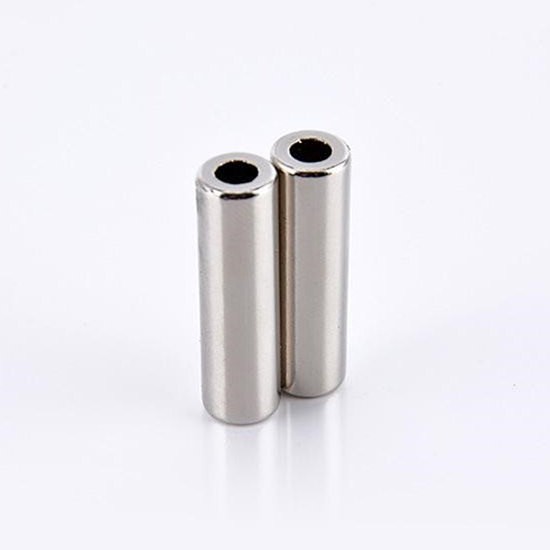
Cylinder shape magnets are characterized by their cylindrical geometry, which offers unique magnetic field distributions compared to other magnet shapes. They can be found in different sizes, from Small Cylindrical Magnets used in precision instruments to large - scale cylinders for heavy - duty applications. The mechanical properties of these magnets, such as strength, hardness, and toughness, are essential for their performance and durability.
The strength of a cylinder shape magnet is directly related to its ability to generate a magnetic field. A stronger magnet can attract or repel objects with greater force, which is crucial in applications like magnetic separators and motors. Hardness, on the other hand, determines the magnet's resistance to wear and deformation. In high - speed rotating machinery, for example, a hard magnet can withstand the mechanical stress without losing its shape or magnetic properties. Toughness is important for preventing the magnet from cracking or breaking under impact or vibration.
Factors Affecting the Mechanical Properties
Material Composition
The choice of material is the most fundamental factor affecting the mechanical properties of cylinder shape magnets. Neodymium - iron - boron (NdFeB) magnets are widely used due to their high magnetic strength. However, their mechanical properties can vary depending on the exact composition of the alloy. By adjusting the ratio of neodymium, iron, and boron, as well as adding small amounts of other elements such as dysprosium or terbium, we can enhance the magnet's coercivity (resistance to demagnetization) and mechanical strength.
Manufacturing Process
The manufacturing process also has a significant impact on the mechanical properties of cylinder shape magnets. Sintering is a common method for producing NdFeB magnets. During sintering, the magnet powder is compacted and heated at high temperatures to form a solid mass. The sintering temperature, time, and atmosphere can all affect the density, grain size, and microstructure of the magnet, which in turn influence its mechanical properties. For example, a higher sintering temperature may result in larger grain sizes, which can reduce the magnet's strength and toughness.
Heat Treatment
Heat treatment is another important step in improving the mechanical properties of cylinder shape magnets. After sintering, the magnet can be heat - treated to relieve internal stresses and improve its magnetic and mechanical properties. Quenching and tempering are common heat - treatment processes. Quenching involves rapidly cooling the magnet from a high temperature, which can increase its hardness. Tempering is then used to reduce the brittleness caused by quenching and improve the magnet's toughness.
Strategies for Improving Mechanical Properties
Optimizing Material Composition
As mentioned earlier, adjusting the material composition is an effective way to improve the mechanical properties of cylinder shape magnets. Research has shown that adding a small amount of cobalt to NdFeB magnets can enhance their thermal stability and mechanical strength. Cobalt can also improve the corrosion resistance of the magnet, which is important for applications in harsh environments.

In addition to alloying elements, the purity of the raw materials is also crucial. High - purity materials can reduce the presence of impurities, which can act as weak points in the magnet and reduce its mechanical properties. By using high - quality raw materials and carefully controlling the alloying process, we can produce magnets with better mechanical performance.
Advanced Manufacturing Techniques
Advanced manufacturing techniques can also be used to improve the mechanical properties of cylinder shape magnets. For example, hot pressing is a more advanced alternative to traditional sintering. In hot pressing, the magnet powder is compacted and heated simultaneously under high pressure. This process can produce magnets with higher density and more uniform microstructure, resulting in improved mechanical properties.
Another technique is the use of composite materials. By combining magnetic materials with non - magnetic materials such as polymers or ceramics, we can create composite magnets with enhanced mechanical properties. For example, a polymer - bonded magnet can have better flexibility and impact resistance compared to a traditional sintered magnet.
Surface Treatment
Surface treatment is an important step in protecting the magnet and improving its mechanical properties. Coating the magnet with a layer of nickel, zinc, or epoxy can provide a barrier against corrosion and wear. The coating can also improve the magnet's appearance and make it easier to handle. In addition, surface treatment can reduce the friction between the magnet and other components, which can improve the efficiency of the system.
Case Studies
Application in Electric Motors
In electric motors, cylinder shape magnets are used to generate the magnetic field required for rotation. By improving the mechanical properties of these magnets, we can increase the efficiency and reliability of the motor. For example, a motor with a stronger and more durable magnet can operate at higher speeds and torques without overheating or losing its magnetic field. This can lead to energy savings and longer service life for the motor.
Use in Magnetic Separators
Magnetic separators are used in various industries to separate magnetic materials from non - magnetic materials. Cylinder shape magnets with improved mechanical properties can provide a stronger and more stable magnetic field, which can improve the separation efficiency. In addition, the enhanced hardness and toughness of the magnet can ensure that it can withstand the abrasive forces in the separation process without being damaged.
Conclusion
Improving the mechanical properties of cylinder shape magnets is a complex but achievable goal. By understanding the factors affecting the mechanical properties, such as material composition, manufacturing process, and heat treatment, and implementing appropriate strategies, we can produce magnets with better performance and durability.
As a supplier of Cylinder Shape Magnet, we are committed to providing our customers with high - quality magnets that meet their specific requirements. Whether you need Hollow Cylinder Magnets for a special application or Small Cylindrical Magnets for precision instruments, we have the expertise and technology to deliver the best solutions.
If you are interested in our cylinder shape magnets or have any questions about improving their mechanical properties, please feel free to contact us for a detailed discussion. We look forward to working with you to meet your magnet needs.
References
- Buschow, K. H. J., & van der Goot, J. A. (1990). Handbook of Magnetic Materials. Elsevier.
- Liu, J., & Coey, J. M. D. (2007). Permanent Magnet Materials and Their Applications. Oxford University Press.
- Reed, R. C. (1991). Rare Earth Permanent Magnets: Fundamentals and Applications. MIT Press.