




How to measure the strength of a woofer magnet?
 Nov 06, 2025|
 As a seasoned supplier of Woofer Magnets, I've witnessed firsthand the critical role these components play in the audio industry. The strength of a woofer magnet is a fundamental factor that directly impacts the performance of speakers, influencing aspects such as sound quality, power handling, and efficiency. In this blog post, I'll share some insights on how to measure the strength of a woofer magnet, which can be invaluable for both audio enthusiasts and professionals looking to make informed decisions.
Understanding the Basics of Woofer Magnets
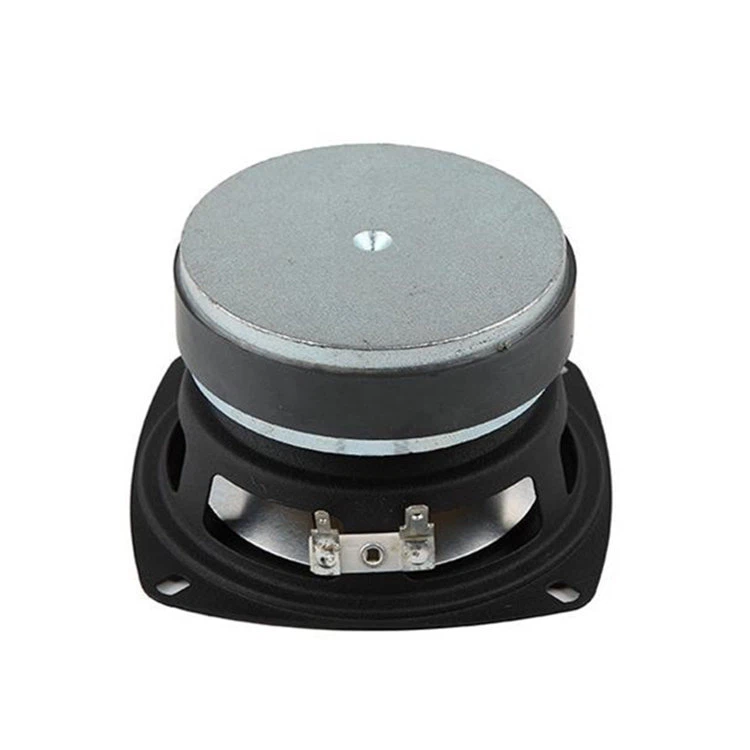
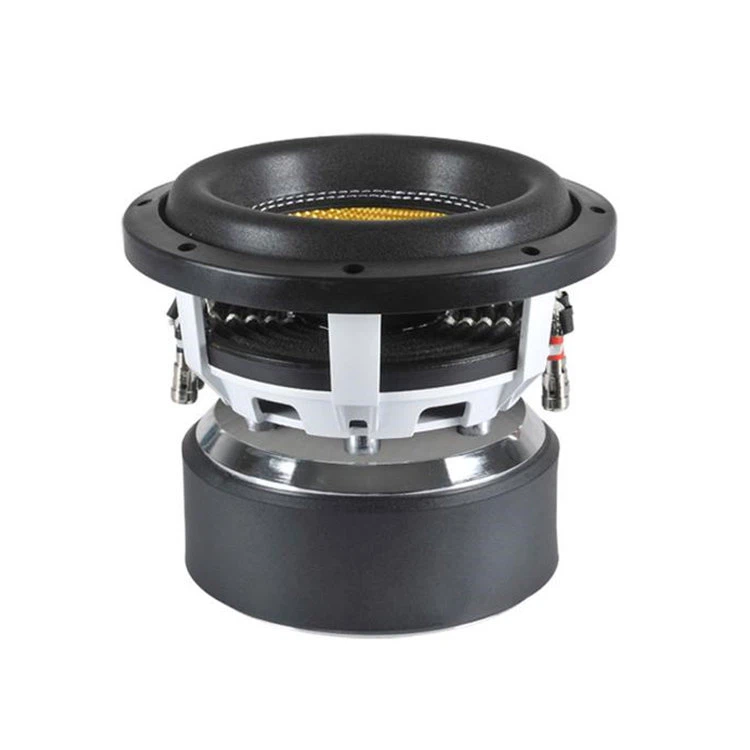
Before delving into the measurement techniques, it's essential to understand what a woofer magnet does. In a speaker system, the woofer is responsible for reproducing low-frequency sounds, typically in the range of 20 Hz to 200 Hz. The magnet in a woofer creates a magnetic field, which interacts with the voice coil. When an electrical current passes through the voice coil, it generates a mechanical force that moves the diaphragm, producing sound waves.
The strength of the magnet determines how effectively it can drive the voice coil and, consequently, the diaphragm. A stronger magnet can produce more force, allowing the woofer to move more air and produce louder, clearer bass sounds.
Key Parameters for Measuring Magnet Strength
There are several key parameters used to measure the strength of a woofer magnet. These include:
- Magnetic Flux Density (B): This is the most common measure of magnet strength. It represents the amount of magnetic field passing through a given area and is measured in teslas (T) or gauss (G). One tesla is equal to 10,000 gauss.
- Remanence (Br): Remanence is the magnetic flux density that remains in a magnet after it has been magnetized and then removed from the external magnetic field. It indicates the magnet's ability to retain its magnetization and is also measured in teslas or gauss.
- Coercivity (Hc): Coercivity is the amount of magnetic field required to reduce the magnetic flux density of a magnet to zero after it has been magnetized. It measures the magnet's resistance to demagnetization and is measured in amperes per meter (A/m).
- Maximum Energy Product (BH)max: This parameter represents the maximum amount of energy that can be stored in a magnet. It is calculated by multiplying the magnetic field strength (H) and the magnetic flux density (B) at the point where their product is maximized. The unit of (BH)max is joules per cubic meter (J/m³).
Measurement Techniques
Using a Gaussmeter
A gaussmeter, also known as a magnetometer, is a device used to measure the magnetic flux density of a magnet. It works by detecting the magnetic field and converting it into an electrical signal, which is then displayed on a screen.
To measure the magnetic flux density of a woofer magnet using a gaussmeter, follow these steps:
- Calibrate the gaussmeter: Before taking any measurements, make sure the gaussmeter is calibrated according to the manufacturer's instructions.
- Position the probe: Place the probe of the gaussmeter close to the surface of the magnet at the point where you want to measure the magnetic field. Make sure the probe is perpendicular to the surface of the magnet for accurate readings.
- Take the measurement: Read the magnetic flux density value displayed on the gaussmeter. Repeat the measurement at different points on the magnet to get an average value.
Using a Magnet Testing Machine
For more accurate and comprehensive measurements, a magnet testing machine can be used. These machines can measure multiple parameters, including remanence, coercivity, and maximum energy product.
The process of using a magnet testing machine involves the following steps:
- Prepare the sample: Cut a small sample from the woofer magnet to be tested. The sample should be of a standard size and shape as required by the testing machine.
- Place the sample in the machine: Insert the sample into the testing chamber of the machine and secure it in place.
- Run the test: Start the testing machine and allow it to perform the necessary measurements. The machine will generate a magnetic field and measure the response of the sample to determine its magnetic properties.
- Analyze the results: Once the test is complete, the machine will display the measured values of remanence, coercivity, and maximum energy product. Analyze these results to assess the strength of the magnet.
Factors Affecting Magnet Strength Measurement
It's important to note that several factors can affect the accuracy of magnet strength measurements. These include:
- Temperature: The magnetic properties of a magnet can change with temperature. As the temperature increases, the magnetic flux density and remanence of a magnet generally decrease. Therefore, it's important to measure the magnet strength at a specific temperature and take this into account when comparing results.
- Magnet Shape and Size: The shape and size of a magnet can also affect its magnetic field distribution. For example, a magnet with a larger surface area may have a higher magnetic flux density at its surface compared to a smaller magnet of the same material.
- External Magnetic Fields: The presence of external magnetic fields can interfere with the measurement of a magnet's strength. Make sure to perform the measurements in an environment free from strong magnetic fields, such as near electrical appliances or other magnets.
Importance of Measuring Magnet Strength for Woofer Performance
Measuring the strength of a woofer magnet is crucial for ensuring optimal performance of the speaker system. Here's why:
- Sound Quality: A stronger magnet can produce more force, allowing the woofer to move more air and produce deeper, more powerful bass sounds. By measuring the magnet strength, you can select a magnet that provides the desired sound quality for your application.
- Power Handling: The strength of the magnet also affects the power handling capacity of the woofer. A stronger magnet can handle higher power levels without overheating or distorting the sound. This is particularly important in high-power audio systems.
- Efficiency: A magnet with a higher maximum energy product can convert electrical energy into mechanical energy more efficiently, resulting in a more efficient woofer. This can lead to lower power consumption and longer battery life in portable audio devices.
Our Woofer Magnet Products
As a leading supplier of Woofer Magnets, we offer a wide range of high-quality products to meet the diverse needs of our customers. Our Woofer Magnet products are carefully engineered and tested to ensure optimal performance and reliability.
One of our popular products is the Subwoofer Impulse Triple Magnet. This innovative design features three magnets arranged in a specific configuration to provide a stronger and more uniform magnetic field. The result is a subwoofer that delivers powerful, accurate bass sounds with minimal distortion.
We also offer the 10 Inch Speaker Magnet, which is designed for use in 10-inch woofers. This magnet provides a high magnetic flux density and excellent power handling capabilities, making it ideal for high-performance audio systems.
Conclusion
Measuring the strength of a woofer magnet is an important step in ensuring the optimal performance of a speaker system. By understanding the key parameters and using the appropriate measurement techniques, you can accurately assess the magnetic properties of a magnet and select the right one for your application.
As a trusted supplier of Woofer Magnets, we are committed to providing our customers with high-quality products and professional technical support. If you have any questions or need assistance in selecting the right woofer magnet for your project, please don't hesitate to contact us. We look forward to working with you to achieve the best audio performance.
References
- "Magnetism and Magnetic Materials" by David Jiles
- "Handbook of Magnetic Materials" edited by Klaus H. J. Buschow
- Manufacturer's manuals for gaussmeters and magnet testing machines