




How to store cylindrical magnets properly?
 Sep 29, 2025|
 Hey there! I'm a supplier of cylindrical magnets, and I've seen firsthand how important it is to store these little powerhouses properly. In this blog post, I'm gonna share some tips on how to store cylindrical magnets the right way to keep them in top-notch condition.
First off, let's talk about why proper storage matters. Cylindrical magnets are made of materials that can be affected by various factors like moisture, temperature, and magnetic fields from other magnets. If they're not stored correctly, their performance can degrade over time, and you might end up with magnets that don't work as well as they should.
Keep Them Dry
Moisture is one of the biggest enemies of cylindrical magnets. Most of these magnets, especially Hollow Cylinder Magnets, are made of materials that can rust or corrode when exposed to water or high humidity. Rust not only looks bad but can also weaken the magnetic strength of the magnet.
To keep your magnets dry, store them in a cool, dry place. A sealed plastic container or a metal box can work great. You can also throw in a desiccant packet, like the ones you find in new shoe boxes, to absorb any moisture that might get inside the container. If you live in a humid area, you might even consider using a dehumidifier in the room where you store your magnets.
Control the Temperature
Extreme temperatures can also have a negative impact on cylindrical magnets. High temperatures can cause the magnetic material to lose its magnetism, while very low temperatures can make the magnet brittle and more likely to crack.
The ideal temperature range for storing cylindrical magnets is between -40°C and 80°C. But it's best to keep them at room temperature whenever possible. Avoid storing them near sources of heat, like radiators or direct sunlight, and also stay away from cold spots, like near air conditioning vents or in unheated garages.
Separate the Magnets
Cylindrical magnets are attracted to each other, and if they're allowed to stick together, they can cause damage. When magnets are forced together, they can chip or break, especially if they're made of brittle materials like neodymium.
To prevent this, store your magnets separately. You can use dividers in a container to keep them apart, or you can wrap each magnet in a piece of paper or foam. If you have a lot of magnets, you might even consider using a magnetic storage rack that keeps them in place without allowing them to touch.
Protect Them from External Magnetic Fields
External magnetic fields can also affect the performance of your cylindrical magnets. If they're exposed to strong magnetic fields from other magnets or electrical devices, they can become demagnetized or have their magnetic poles reversed.

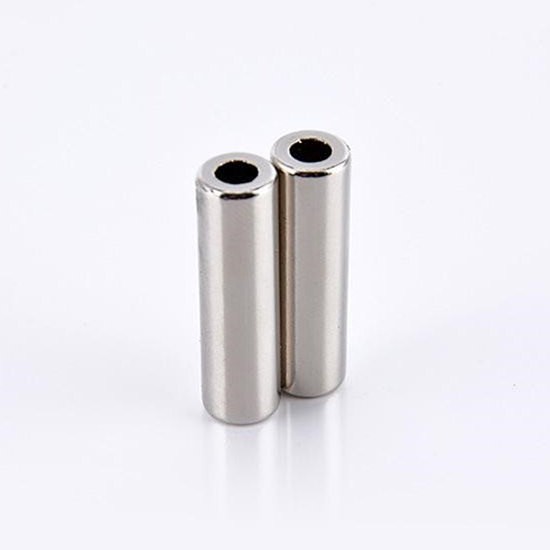
To protect your magnets from external magnetic fields, store them away from other magnets and electrical equipment. If you need to store multiple magnets together, make sure they're arranged in a way that their magnetic fields don't interact. For example, you can arrange them in a way that their north and south poles are facing opposite directions.
Label and Organize
It's always a good idea to label your magnets and keep them organized. This makes it easier to find the magnets you need when you need them, and it also helps you keep track of their usage and storage history.
You can label each magnet with its size, strength, and type. You can also use a storage system, like a spreadsheet or a database, to keep track of all your magnets. This way, you'll know exactly how many magnets you have, where they're stored, and when they were last used.
Consider the Packaging
The packaging you use to store your cylindrical magnets can also make a big difference. If you're buying magnets from a supplier, make sure they come in proper packaging that protects them during shipping and storage.
When you're storing your magnets, you can also use the original packaging if it's still in good condition. If not, you can use a new container or box that's the right size for your magnets. Make sure the container is sturdy and has a tight-fitting lid to keep out moisture and dust.
Regularly Inspect Your Magnets
Finally, it's important to regularly inspect your cylindrical magnets for any signs of damage or degradation. Check for cracks, chips, rust, or any other visible signs of wear and tear. If you notice any problems, take the necessary steps to fix them or replace the magnet.
By following these tips, you can ensure that your cylindrical magnets are stored properly and will last for a long time. Whether you're using them for industrial applications, DIY projects, or scientific experiments, proper storage is key to getting the most out of your magnets.
If you're in the market for high-quality Cylinder Shape Magnet or Magnet Cylindrical, I'd love to help. We offer a wide range of cylindrical magnets in different sizes, strengths, and materials to meet your specific needs. Just reach out to us, and we'll be happy to discuss your requirements and find the perfect magnets for you.
References
- "Magnet Storage and Handling Guidelines." Arnold Magnetic Technologies.
- "How to Store Magnets Properly." K&J Magnetics.
- "The Effects of Temperature on Magnets." Dexter Magnetic Technologies.