




What are the signs of a bad woofer magnet?
 Aug 19, 2025|
 As a supplier of Woofer Magnets, I've witnessed firsthand the pivotal role these components play in audio systems. A woofer magnet is the heart of a speaker, responsible for converting electrical signals into sound waves. However, like any other component, it can degrade over time or due to various factors. In this blog, I'll delve into the signs of a bad woofer magnet, helping you identify issues early and make informed decisions about your audio equipment.
Distorted Sound Quality
One of the most obvious signs of a bad woofer magnet is distorted sound quality. When the magnet is functioning correctly, it produces a clear and balanced bass response. However, a damaged magnet can cause the woofer cone to move irregularly, resulting in distorted or muffled sound. You may notice a lack of clarity in the bass frequencies, with sounds appearing muddy or boomy. This distortion can be particularly noticeable in music with heavy bass lines or in movies with intense sound effects.
For example, if you're listening to a hip-hop track and the bass sounds like it's struggling to keep up or is overpowering the other frequencies, it could be a sign of a bad woofer magnet. Similarly, in a movie, if the explosions or deep rumbling sounds lack definition and seem to blend together, the magnet may be at fault.
Reduced Bass Output
Another common sign of a failing woofer magnet is a significant reduction in bass output. The magnet is responsible for providing the force needed to move the woofer cone, which in turn produces the low-frequency sounds we associate with bass. When the magnet weakens or becomes damaged, it may not be able to generate enough force to move the cone effectively, resulting in a noticeable decrease in bass volume.
You might notice that the bass in your audio system is no longer as powerful or impactful as it used to be. For instance, if you're used to feeling the thump of the bass in your chest when listening to your favorite music, but now it's barely audible, it could be due to a bad woofer magnet. This reduction in bass output can also affect the overall balance of the audio, making the mid and high frequencies seem more prominent.
Physical Damage
Inspecting the woofer magnet for physical damage is an important step in determining its condition. Over time, the magnet can be exposed to various environmental factors, such as moisture, heat, and vibrations, which can cause it to crack, chip, or break. Additionally, improper handling or installation can also lead to physical damage.
If you notice any visible cracks or chips on the surface of the magnet, it's a clear indication that it's damaged and may need to be replaced. You should also check for any signs of corrosion, which can weaken the magnet's magnetic field and affect its performance. Corrosion can appear as a rusty or discolored layer on the surface of the magnet.
Unusual Vibrations or Noises
A bad woofer magnet can also cause the woofer to produce unusual vibrations or noises. When the magnet is not functioning properly, it can cause the woofer cone to vibrate erratically, resulting in rattling, buzzing, or humming sounds. These noises can be particularly noticeable at higher volumes or when playing music with a lot of bass.
If you hear any unusual sounds coming from your woofer, it's important to investigate the cause. It could be a sign of a loose connection, a damaged speaker cone, or a bad woofer magnet. To determine if the magnet is the culprit, try playing different types of music at various volumes and listen for the presence of the noises. If the noises persist regardless of the music or volume, it's likely that the magnet is the problem.
Inconsistent Performance
In some cases, a bad woofer magnet may exhibit inconsistent performance. This means that the sound quality and bass output may vary depending on the volume, frequency, or duration of the audio signal. For example, you might notice that the bass sounds fine at low volumes but becomes distorted or weak at higher volumes. Or, the woofer may produce clear sound for a few minutes and then start to exhibit problems.
This inconsistent performance can be frustrating and difficult to diagnose. It could be due to a variety of factors, including a weakening magnet, a loose connection, or a problem with the amplifier. If you experience inconsistent performance with your woofer, it's recommended to have it inspected by a professional audio technician.
Impact on Audio System Performance
A bad woofer magnet can have a significant impact on the overall performance of your audio system. Not only does it affect the sound quality and bass output, but it can also cause other components in the system to work harder, potentially leading to premature wear and tear.
For example, if the woofer is not producing enough bass, the amplifier may have to work harder to compensate, which can increase the risk of overheating and damage. Additionally, the distorted sound produced by a bad woofer magnet can make it difficult to enjoy your music or movies to the fullest, detracting from the overall audio experience.
Importance of Timely Replacement
If you notice any of the signs mentioned above, it's important to replace the woofer magnet as soon as possible. Ignoring the problem can lead to further damage to the woofer and other components in the audio system, resulting in more expensive repairs or even the need for a complete system replacement.
Replacing the woofer magnet is a relatively straightforward process, especially if you have some basic knowledge of audio equipment. However, if you're not comfortable doing it yourself, it's recommended to have it done by a professional audio technician. They have the expertise and tools needed to ensure that the replacement is done correctly and that the audio system is functioning properly.
Our Woofer Magnet Products
At our company, we offer a wide range of high-quality Woofer Magnets designed to meet the needs of various audio applications. Our magnets are made from premium materials and are carefully engineered to provide optimal performance and durability.
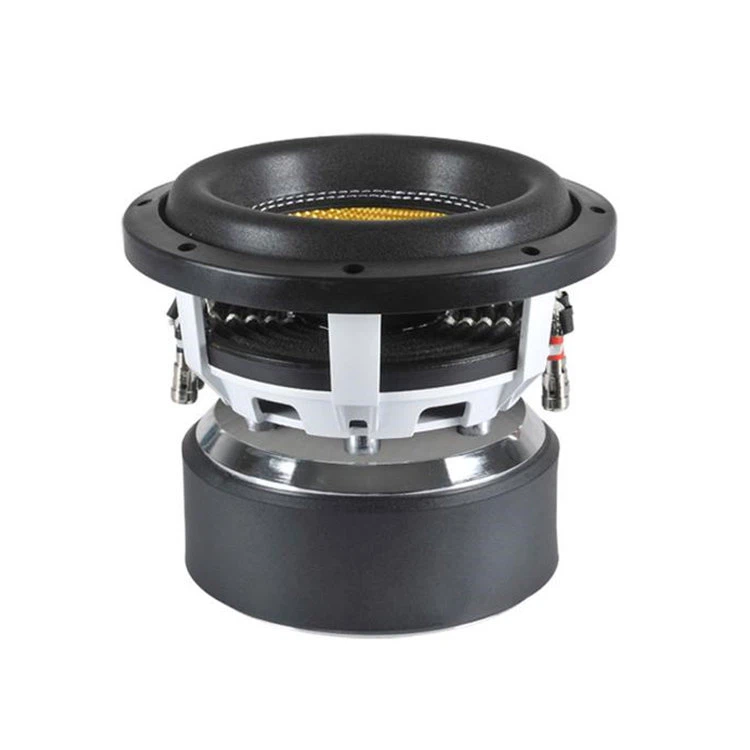
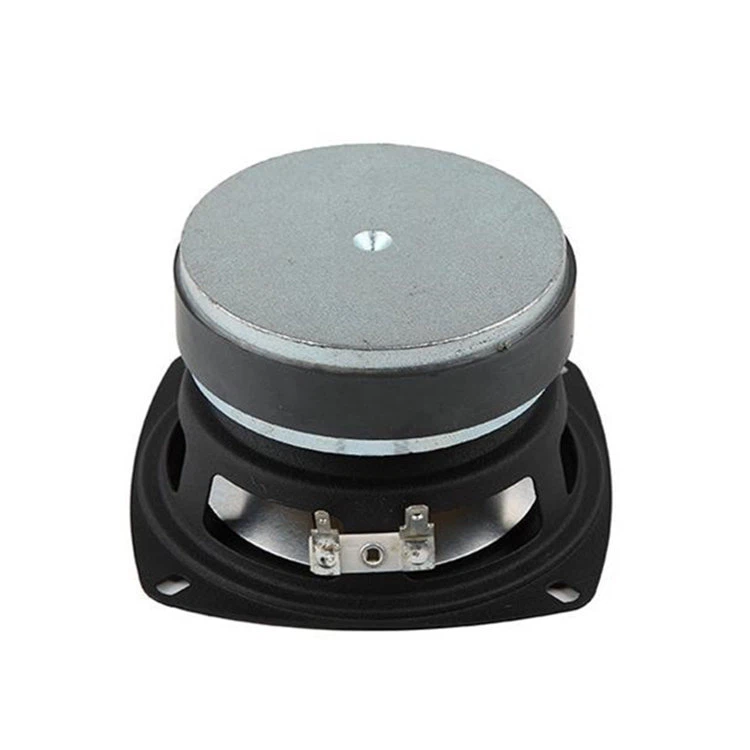
One of our popular products is the 10 Inch Speaker Magnet, which is suitable for use in large speakers and subwoofers. This magnet offers a powerful magnetic field, ensuring clear and balanced bass output. It's also designed to withstand high temperatures and vibrations, making it ideal for use in demanding audio environments.
Another great option is our Subwoofer Impulse Triple Magnet, which is specifically designed for subwoofers. This magnet features a triple magnet design, providing enhanced bass performance and a more impactful audio experience. It's also highly efficient, reducing power consumption and heat generation.
Contact Us for Procurement
If you're experiencing any issues with your woofer magnet or are looking to upgrade your audio system, we're here to help. Our team of experts can provide you with professional advice and guidance on choosing the right woofer magnet for your needs. We also offer competitive pricing and fast delivery, ensuring that you get the products you need in a timely manner.
To learn more about our Woofer Magnet products or to discuss your procurement requirements, please don't hesitate to contact us. We look forward to working with you to enhance your audio experience.
References
- "The Science of Sound: How Speakers Work." SoundGuys.
- "Speaker Magnet Basics." Parts Express.
- "Common Speaker Problems and Solutions." Audioholics.