




What is the difference between a single - pole and a multi - pole cylinder shape magnet?
 Jul 22, 2025|
 Hey there! As a supplier of cylinder shape magnets, I've gotten tons of questions about the difference between single - pole and multi - pole cylinder shape magnets. So, I thought I'd break it down in this blog post to help you understand which one might be the best fit for your needs.
First off, let's talk about what a cylinder shape magnet is. You can check out Magnet Cylindrical to get a better idea of the general look and features of these magnets. Cylinder shape magnets are, well, shaped like cylinders. They're pretty common in a whole bunch of applications, from small DIY projects to big industrial uses.
Single - Pole Cylinder Shape Magnets
A single - pole cylinder shape magnet is exactly what it sounds like. It has one dominant magnetic pole at each end of the cylinder. Usually, it's either a north pole at one end and a south pole at the other. This simple magnetic configuration makes it really straightforward to use in many basic applications.
One of the biggest advantages of single - pole cylinder shape magnets is their simplicity. They're easy to understand and work with, especially if you're new to using magnets. For example, if you're building a simple magnetic latch for a cabinet door, a single - pole magnet can do the job just fine. You know exactly where the magnetic force is coming from and how it will interact with other magnetic or ferromagnetic materials.
Another plus is that single - pole magnets tend to have a more concentrated magnetic field at the poles. This means that if you need a strong, focused magnetic pull at a specific point, a single - pole cylinder magnet is a great choice. You can use it to pick up small metal objects or hold things in place with a relatively high force in a localized area.
However, single - pole magnets also have their limitations. Since the magnetic field is mainly concentrated at the poles, the magnetic influence in other areas around the magnet is quite weak. If you need a more evenly distributed magnetic field over a larger area, a single - pole magnet might not be the best option.
Multi - Pole Cylinder Shape Magnets
Now, let's move on to multi - pole cylinder shape magnets. These magnets have multiple north and south poles arranged in a more complex pattern along the length or around the circumference of the cylinder. You can learn more about different types of cylindrical magnets, including multi - pole ones, on Cylindrical Permanent Magnet.

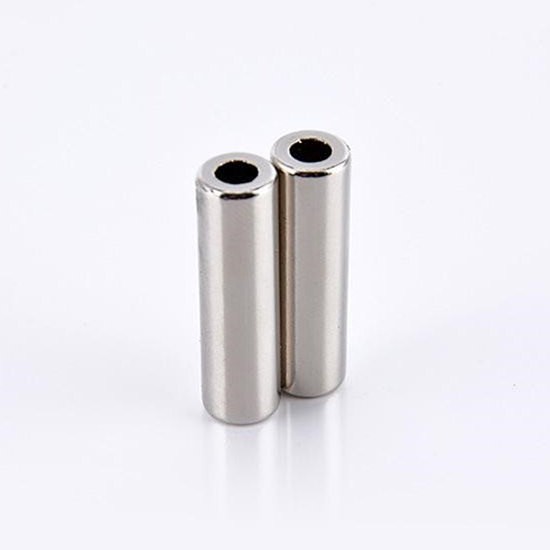
The main advantage of multi - pole magnets is their ability to create a more complex and evenly distributed magnetic field. This is really useful in applications where you need a more uniform magnetic force over a larger area. For instance, in some types of motors, multi - pole cylinder magnets can be used to generate a smoother and more consistent magnetic field, which helps the motor run more efficiently.
Multi - pole magnets also offer more flexibility in terms of magnetic field design. You can customize the arrangement of the poles to suit specific requirements. If you need a magnetic field with a certain pattern or strength distribution, a multi - pole magnet can be engineered to meet those needs.
But multi - pole magnets are also more complicated to work with. Understanding their magnetic field patterns can be a bit tricky, especially for those who aren't very familiar with magnetism. You need to have a good understanding of how the different poles interact with each other and with other materials. Also, manufacturing multi - pole magnets is more complex and often more expensive than single - pole magnets because of the need to precisely arrange the multiple poles.
Applications
Let's take a look at some specific applications where single - pole and multi - pole cylinder shape magnets are commonly used.
Single - Pole Applications
- Magnetic Separators: In industries where you need to separate ferromagnetic materials from non - ferromagnetic ones, single - pole cylinder magnets can be used to attract and collect the magnetic particles. For example, in a recycling plant, these magnets can help separate iron and steel from other waste materials.
- Magnetic Sensors: Single - pole magnets are often used in simple magnetic sensors. The concentrated magnetic field at the poles can be detected by sensors to measure things like position, speed, or proximity.
Multi - Pole Applications
- Electric Motors and Generators: As mentioned earlier, multi - pole cylinder magnets are widely used in electric motors and generators. Their ability to create a more uniform magnetic field helps improve the efficiency and performance of these devices.
- Magnetic Levitation Systems: In some advanced magnetic levitation (maglev) applications, multi - pole magnets are used to create a stable and evenly distributed magnetic field to support and move objects without physical contact. You can also explore Hollow Cylinder Magnets which can sometimes be used in unique multi - pole configurations for such applications.
Choosing the Right Magnet
So, how do you decide whether to go for a single - pole or a multi - pole cylinder shape magnet? Well, it all depends on your specific needs.
If you're working on a simple project that requires a basic magnetic function, like holding two objects together or picking up small metal parts, a single - pole magnet is probably the way to go. It's easy to use, cost - effective, and will get the job done.
On the other hand, if you're involved in a more complex project that demands a more evenly distributed or customized magnetic field, such as building an electric motor or a magnetic sensor with specific requirements, a multi - pole magnet is likely the better choice. Just keep in mind that you'll need to have a good understanding of magnetism or work with an expert to make the most of it.
Conclusion
In conclusion, single - pole and multi - pole cylinder shape magnets each have their own unique features, advantages, and limitations. As a supplier, I'm here to help you figure out which type of magnet is best for your project. Whether you need a simple single - pole magnet for a quick DIY job or a custom - engineered multi - pole magnet for an industrial application, I've got you covered.
If you're interested in purchasing cylinder shape magnets for your project, don't hesitate to reach out. We can discuss your specific requirements, and I'll do my best to provide you with the right magnets at a great price. Let's work together to make your project a success!
References
- "Magnetism and Magnetic Materials" by David Jiles
- "Handbook of Permanent Magnets" edited by Karl - Heinz Müller and Manfred Wecker