




What is the ideal temperature range for a woofer magnet?
 Dec 01, 2025|
 The performance of a woofer is intricately linked to the properties of its magnet, and one of the most critical factors influencing magnet performance is temperature. As a dedicated Woofer Magnet supplier, we understand the importance of maintaining the ideal temperature range for these essential components. In this blog, we will explore what the ideal temperature range for a woofer magnet is, why it matters, and how temperature variations can impact the overall performance of a woofer.
Understanding the Basics of Woofer Magnets
Before delving into the ideal temperature range, it's essential to understand the role of a magnet in a woofer. A woofer is a type of loudspeaker designed to reproduce low-frequency sounds, typically from about 20 Hz to 200 Hz. The magnet in a woofer creates a magnetic field that interacts with the voice coil. When an electrical current passes through the voice coil, it generates a magnetic field that opposes or aligns with the field of the permanent magnet. This interaction causes the voice coil to move back and forth, which in turn moves the speaker cone, producing sound waves.
There are different types of magnets used in woofers, including ferrite magnets and neodymium magnets. Ferrite magnets are commonly used due to their relatively low cost and good magnetic properties. Neodymium magnets, on the other hand, are more powerful and lighter but also more expensive. Each type of magnet has its own set of characteristics that can be affected by temperature.
The Ideal Temperature Range for Woofer Magnets
The ideal temperature range for a woofer magnet depends on the type of magnet material. For ferrite magnets, which are widely used in many woofers, the ideal operating temperature range is typically between -40°C to 120°C. Ferrite magnets are known for their good thermal stability within this range. They can maintain their magnetic properties relatively well, ensuring consistent performance of the woofer.
Neodymium magnets, however, have a more limited temperature range. The ideal operating temperature for neodymium magnets in a woofer is usually between -40°C to 80°C. Beyond 80°C, neodymium magnets start to experience a significant loss of magnetic strength. This is because the high temperature can cause the magnetic domains within the magnet to become disordered, reducing the overall magnetic field.
It's important to note that these are general guidelines, and the specific ideal temperature range can vary depending on the exact composition and manufacturing process of the magnet. Some high-performance magnets may have a slightly different optimal temperature range.
Why the Ideal Temperature Range Matters
Maintaining the ideal temperature range for a woofer magnet is crucial for several reasons. Firstly, temperature affects the magnetic strength of the magnet. As mentioned earlier, when a magnet is exposed to temperatures outside its ideal range, its magnetic properties can degrade. A decrease in magnetic strength means that the interaction between the magnet and the voice coil is weakened. This results in reduced efficiency of the woofer, as more electrical energy is required to produce the same level of sound.
Secondly, temperature variations can cause mechanical stress on the magnet and other components of the woofer. For example, when a magnet heats up, it expands. If the expansion is not properly accommodated, it can lead to mechanical stress on the magnet and the surrounding structure. Over time, this can cause the magnet to crack or the woofer to malfunction.
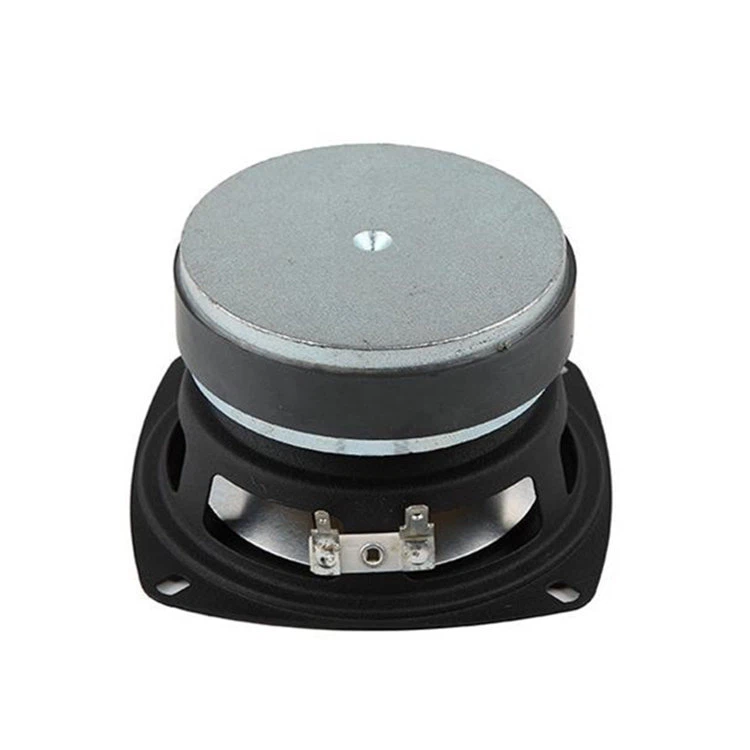

In addition, the ideal temperature range ensures consistent sound quality. When a woofer operates within the optimal temperature range, it can reproduce low-frequency sounds accurately and with minimal distortion. Outside this range, the sound quality can deteriorate, with a loss of bass response and an increase in distortion.
Impact of Temperature Variations on Woofer Performance
Let's take a closer look at how different temperature scenarios can impact woofer performance.
High Temperatures
When a woofer is exposed to high temperatures, several negative effects can occur. As the temperature rises above the ideal range, the magnetic strength of the magnet decreases. This leads to a reduction in the force exerted on the voice coil, resulting in a weaker movement of the speaker cone. The woofer may produce less bass, and the overall sound output may be quieter.
High temperatures can also cause the voice coil to overheat. The voice coil is made of a wire that has a certain resistance. When the temperature increases, the resistance of the wire also increases. This can lead to a decrease in the electrical current flowing through the voice coil, further reducing the efficiency of the woofer. In extreme cases, the high temperature can cause the insulation on the voice coil to melt, resulting in a short circuit and permanent damage to the woofer.
Low Temperatures
At low temperatures, the magnetic properties of the magnet may change in a different way. While ferrite magnets can generally maintain their performance at low temperatures, neodymium magnets can become more brittle. This means that they are more prone to cracking or breaking if subjected to mechanical stress.
In addition, the materials used in the woofer, such as the speaker cone and the surround, can become stiffer at low temperatures. This reduces the flexibility of the speaker cone, making it more difficult for it to move freely. As a result, the bass response of the woofer may be reduced, and the sound quality may be affected.
Ensuring the Woofer Magnet Operates within the Ideal Temperature Range
As a Woofer Magnet supplier, we offer several solutions to help ensure that the woofer magnets operate within the ideal temperature range.
One approach is to use proper ventilation and heat dissipation techniques. For example, designing the woofer enclosure with adequate ventilation holes can help to dissipate heat generated during operation. This can prevent the temperature of the magnet from rising too high.
Another solution is to use thermal management materials. Some magnets can be coated with materials that have good thermal conductivity, which helps to transfer heat away from the magnet more efficiently. This can help to keep the magnet within its ideal temperature range.
We also offer a range of magnets with different temperature ratings. For applications where the woofer is likely to be exposed to high temperatures, such as in car audio systems or outdoor speakers, we can provide magnets with a higher temperature tolerance. For example, our 10 Inch Speaker Magnet is available in different versions with varying temperature capabilities to meet different customer needs.
Conclusion
In conclusion, the ideal temperature range for a woofer magnet is a critical factor that affects the performance, efficiency, and longevity of a woofer. Whether you are using a ferrite magnet or a neodymium magnet, it's essential to ensure that the magnet operates within its optimal temperature range. As a leading Woofer Magnet supplier, we are committed to providing high-quality magnets that can perform well under different temperature conditions.
If you are in the market for high-performance woofer magnets, we invite you to explore our product range. Our Subwoofer Impulse Triple Magnet is designed to deliver exceptional bass performance while maintaining stability within the ideal temperature range. Contact us today to discuss your specific requirements and let us help you find the perfect magnet for your woofer.
References
- "Magnetics: Principles and Applications" by John D. Kraus
- "Loudspeaker Design Cookbook" by Vance Dickason