




What is the maximum temperature a cylinder shape magnet can withstand?
 May 23, 2025|
 What is the maximum temperature a cylinder shape magnet can withstand?
As a trusted supplier of cylinder shape magnets, I often receive inquiries from customers about the maximum temperature these magnets can withstand. Understanding this critical parameter is essential for various applications, from industrial machinery to consumer electronics. In this blog post, I'll delve into the factors that determine the temperature tolerance of cylinder shape magnets and provide valuable insights for those considering using them in their projects.
The Basics of Cylinder Shape Magnets
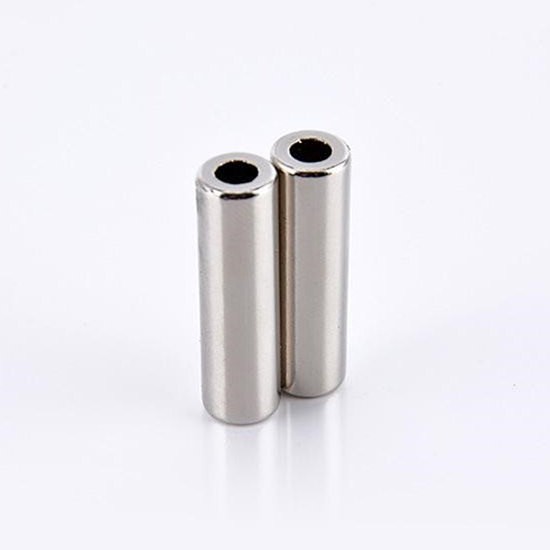
Before we discuss temperature resistance, let's briefly review what cylinder shape magnets are. Cylinder shape magnets are cylindrical in form and come in a variety of sizes and materials. They are widely used due to their strong magnetic fields and versatility. You can find different types of cylinder shape magnets on our website, including Magnet Cylindrical, Hollow Cylinder Magnets, and Cylindrical Permanent Magnet.

Factors Affecting Temperature Tolerance
The maximum temperature a cylinder shape magnet can withstand depends on several key factors:
Magnet Material
- Neodymium Magnets: These are the most powerful permanent magnets available today. However, they have a relatively low Curie temperature, typically around 310 - 400°C. The Curie temperature is the point at which a magnet loses its magnetic properties permanently. Neodymium magnets are commonly used in applications where high magnetic strength is required at room temperature, such as in motors and speakers.
- Samarium - Cobalt Magnets: Samarium - cobalt magnets have a much higher Curie temperature, ranging from 700 - 800°C. They can maintain their magnetic properties at elevated temperatures, making them suitable for high - temperature applications like aerospace and automotive sensors.
- Ferrite Magnets: Ferrite magnets are less powerful than neodymium and samarium - cobalt magnets but have a high Curie temperature, usually above 450°C. They are often used in applications where cost - effectiveness and moderate magnetic strength are important, such as in refrigerator magnets and some low - power motors.
Coating and Protection
The coating on a cylinder shape magnet can also affect its temperature resistance. A good coating can protect the magnet from oxidation and other environmental factors that can degrade its performance at high temperatures. For example, some magnets are coated with nickel, which provides a certain level of protection and can enhance their ability to withstand temperature variations.
Magnet Design and Dimensions
The design and dimensions of the magnet can influence its temperature distribution. A larger magnet may have a different temperature profile compared to a smaller one. Additionally, the shape of the magnet, such as whether it is solid or hollow, can affect how heat is dissipated. Hollow Cylinder Magnets, for instance, may have better heat dissipation properties due to the presence of the hollow core.
Measuring Temperature Tolerance
To determine the maximum temperature a cylinder shape magnet can withstand, manufacturers typically conduct tests in controlled environments. These tests involve gradually increasing the temperature of the magnet while monitoring its magnetic properties. The point at which the magnetic strength drops below an acceptable level is considered the maximum operating temperature for that particular magnet.
It's important to note that the maximum operating temperature is not the same as the Curie temperature. The maximum operating temperature is the temperature at which the magnet can still function effectively within the specified performance criteria, while the Curie temperature is the point of permanent magnetic loss.
Applications and Temperature Requirements
Different applications have different temperature requirements for cylinder shape magnets:
Industrial Applications
In industrial settings, such as in manufacturing processes and heavy machinery, magnets may be exposed to high temperatures. For example, in metalworking operations, the heat generated during cutting and welding can reach several hundred degrees Celsius. In these cases, samarium - cobalt magnets or ferrite magnets may be more suitable due to their higher temperature resistance.
Automotive Applications
Automotive applications also demand magnets that can withstand high temperatures. Engine compartments can reach temperatures of over 100°C, and in some cases, even higher. Neodymium magnets may be used in less heat - sensitive areas, while samarium - cobalt magnets are preferred for components closer to the engine, such as sensors and actuators.
Consumer Electronics
Consumer electronics generally operate at lower temperatures compared to industrial and automotive applications. However, in some high - performance devices like laptops and gaming consoles, the internal temperature can rise significantly. Neodymium magnets are commonly used in these devices due to their high magnetic strength, but proper heat management is crucial to ensure their long - term performance.
Ensuring Magnet Performance at High Temperatures
If you need to use cylinder shape magnets in high - temperature applications, there are several steps you can take to ensure their performance:
Select the Right Material
Based on the temperature requirements of your application, choose the appropriate magnet material. If high temperatures are expected, consider samarium - cobalt or ferrite magnets.
Implement Heat Management
Use heat sinks, fans, or other cooling mechanisms to dissipate heat and keep the magnet temperature within the acceptable range.
Regular Testing
Periodically test the magnetic properties of the magnets to detect any degradation due to temperature exposure.
Conclusion
The maximum temperature a cylinder shape magnet can withstand is determined by factors such as magnet material, coating, design, and dimensions. By understanding these factors and selecting the right magnet for your application, you can ensure optimal performance and longevity. As a supplier of high - quality cylinder shape magnets, we offer a wide range of products to meet your specific needs. Whether you're looking for Magnet Cylindrical, Hollow Cylinder Magnets, or Cylindrical Permanent Magnet, we can provide you with the best solutions.
If you have any questions about the temperature tolerance of our cylinder shape magnets or need assistance in selecting the right product for your project, please don't hesitate to contact us. We're here to help you make the most informed decisions and ensure the success of your applications.
References
- "Magnet Physics and Applications" by J. M. D. Coey
- "Handbook of Magnetic Materials" edited by K. H. J. Buschow