




What is the production process of speaker magnets?
 Jun 13, 2025|
 Hey there! I'm a supplier of speaker magnets, and I'm super excited to take you through the production process of these nifty little things. Speaker magnets are the heart and soul of any audio system, whether it's a tiny earbud or a massive concert speaker. They're what make the magic happen, turning electrical signals into the sweet sounds we all love.
Let's start at the very beginning - the raw materials. The most common types of materials used for speaker magnets are ferrite and neodymium. Ferrite magnets are made from iron oxide and other metal oxides, while neodymium magnets are made from an alloy of neodymium, iron, and boron. Each type has its own unique properties, and the choice between them depends on the specific requirements of the speaker.
Step 1: Material Preparation
First up, we've got to prepare the raw materials. For ferrite magnets, the iron oxide and other metal oxides are mixed together in a specific ratio. This mixture is then milled into a fine powder. The powder needs to be really fine, like flour, so that it can be easily molded into the right shape later on.
For neodymium magnets, the process is a bit more complex. The neodymium, iron, and boron are melted together in a furnace at extremely high temperatures. This creates a molten alloy, which is then rapidly cooled to form a solid block. This block is then crushed and milled into a powder, just like with the ferrite magnets.
Step 2: Molding
Once we've got our fine powder, it's time to mold it into the shape of the magnet. There are a few different ways to do this. One common method is called pressing. In pressing, the powder is placed into a mold and then pressed under high pressure. This compresses the powder into the desired shape, whether it's a simple disc for a small speaker or a more complex shape for a specialized woofer.
Another method is called injection molding. This is used mainly for neodymium magnets. The powder is mixed with a binder to form a plastic-like material. This material is then injected into a mold, where it takes on the shape of the magnet. Injection molding allows for more precise shapes and can be used to create magnets with really intricate designs.
Step 3: Sintering
After the magnets are molded, they're still pretty fragile. They need to be made stronger, and that's where sintering comes in. Sintering is a process where the molded magnets are heated in a furnace at a high temperature, but not high enough to melt them completely. This causes the particles in the magnet to bond together, making it much harder and more durable.
During sintering, the magnets shrink a little bit, so the molds are made slightly larger than the final desired size to account for this. The sintering process also gives the magnets their magnetic properties. It aligns the magnetic domains in the material, making it possible for the magnet to generate a strong magnetic field.
Step 4: Machining
Once the magnets are sintered, they might not be in the exact shape or size that we need. That's when we do some machining. Machining involves cutting, grinding, and polishing the magnets to get them to the right dimensions. We use special tools and machines to do this, like diamond-tipped saws and grinding wheels.
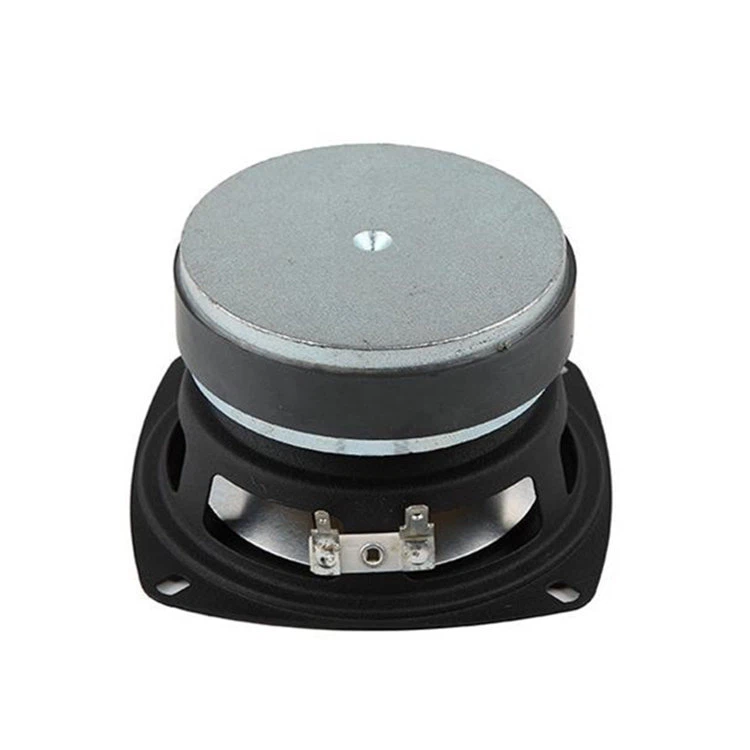
For example, if we're making a Woofer Magnet, we might need to grind the edges to make them smooth and precise. This ensures that the magnet fits perfectly into the speaker assembly and works as efficiently as possible.
Step 5: Magnetization
After machining, the magnets are almost ready, but they're not yet magnetic. We need to magnetize them. This is done by placing the magnets in a strong magnetic field. The magnetic field aligns the magnetic domains in the magnet, giving it its final magnetic strength.
There are different ways to create the magnetic field for magnetization. One common method is to use an electromagnet. The magnet is placed inside the electromagnet, and a large electric current is passed through the coils of the electromagnet. This creates a strong magnetic field that magnetizes the speaker magnet.
Step 6: Testing and Quality Control
Before the magnets are shipped out to our customers, we need to make sure they meet our high standards. That's why we do a lot of testing and quality control. We test the magnetic strength of the magnets using special equipment. This ensures that the magnets are strong enough to produce the right amount of sound in the speaker.
We also check the dimensions of the magnets to make sure they're within the specified tolerances. Any magnets that don't meet our standards are either reworked or discarded. We want to make sure that every magnet we send out is perfect.
Step 7: Coating and Packaging
Once the magnets have passed all the tests, we give them a coating. The coating serves a few purposes. It protects the magnet from corrosion, especially important for neodymium magnets, which can rust easily. It also gives the magnet a nice, clean look.
After coating, the magnets are carefully packaged. We use special packaging materials to protect the magnets during shipping. They're placed in boxes or containers with cushioning to prevent them from getting damaged.
Different Types of Speaker Magnets
As a speaker magnet supplier, I know that different speakers need different types of magnets. For example, 10 Inch Speaker Magnet are used in larger speakers, like those in home theater systems or car audio setups. These magnets need to be strong enough to move the large speaker cone and produce deep, rich bass.
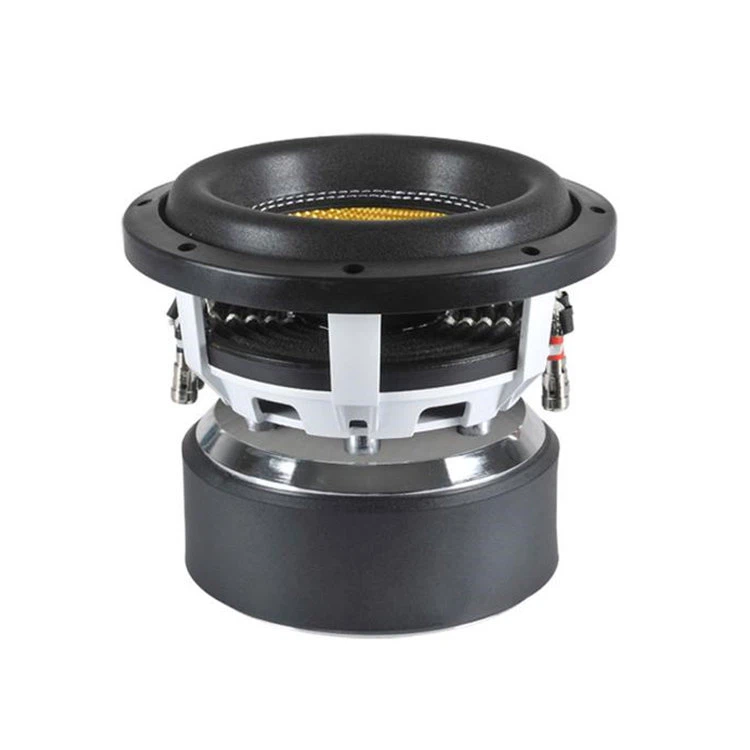
Then there are Subwoofer Impulse Triple Magnet. Subwoofers are all about producing really low frequencies, like the thumping bass in a club or the rumble of an explosion in a movie. The triple magnet design helps to increase the magnetic field strength, allowing the subwoofer to produce even more powerful bass.
Why Choose Our Speaker Magnets
At our company, we've been in the speaker magnet business for a long time. We've got the experience and expertise to produce high-quality magnets that meet the needs of our customers. We use the latest technology and equipment in our production process, which means we can make magnets that are more precise and more powerful than ever before.
We also offer a wide range of speaker magnets, from small ferrite magnets for earbuds to large neodymium magnets for professional audio systems. Whether you're a small audio manufacturer or a big brand, we've got the right magnet for you.
Contact Us for Your Speaker Magnet Needs
If you're in the market for speaker magnets, we'd love to hear from you. We can work with you to find the perfect magnet for your specific application. Whether you need a custom design or just a standard size, we've got the capabilities to deliver.
Don't hesitate to reach out and start a conversation with us. We're here to help you get the best speaker magnets for your audio products. Let's work together to make your speakers sound amazing!
References
- "Magnet Manufacturing Processes" by Magnetics International
- "Speaker Design Handbook" by Audio Engineering Society
- Various industry reports and technical papers on magnet production and speaker technology.