




What is the relationship between speaker magnet and impedance?
 Sep 08, 2025|
 Yo, what's up everyone! As a speaker magnet supplier, I've been getting tons of questions lately about the relationship between speaker magnets and impedance. So, I thought I'd sit down and write this blog to break it all down for you.
First off, let's talk about what impedance is. In simple terms, impedance is like the electrical resistance in a speaker circuit. It's measured in ohms, and it affects how much power a speaker can handle and how it interacts with an amplifier. You can think of it as a kind of "traffic controller" for the electrical signals flowing through your speaker.
Now, let's dive into the role of speaker magnets. Speaker magnets are the heart and soul of a speaker. They create a magnetic field that interacts with the electrical current flowing through the speaker's voice coil. When an audio signal is sent to the speaker, the changing electrical current in the voice coil causes it to move back and forth within the magnetic field created by the magnet. This movement of the voice coil makes the speaker cone vibrate, which in turn produces sound waves that we can hear.
So, how do these two things - speaker magnets and impedance - relate to each other? Well, it all comes down to the design and performance of the speaker. The strength of the speaker magnet can have a significant impact on the impedance of the speaker. A stronger magnet can cause the voice coil to move more efficiently, which can change the electrical characteristics of the speaker and, in turn, its impedance.
Let's say you have a speaker with a weak magnet. The voice coil might not move as freely or as quickly, which can result in a higher impedance. This means that the speaker will require more power from the amplifier to produce the same level of sound as a speaker with a lower impedance. On the other hand, a speaker with a strong magnet can move the voice coil more easily, leading to a lower impedance. This allows the speaker to draw less power from the amplifier while still producing a high - quality sound.
Another factor to consider is the type of speaker magnet. There are different types of magnets used in speakers, such as ferrite magnets and neodymium magnets. Ferrite magnets are more common and are generally less expensive. They have a relatively lower magnetic strength compared to neodymium magnets. A speaker with a ferrite magnet might have a different impedance characteristic than one with a neodymium magnet.
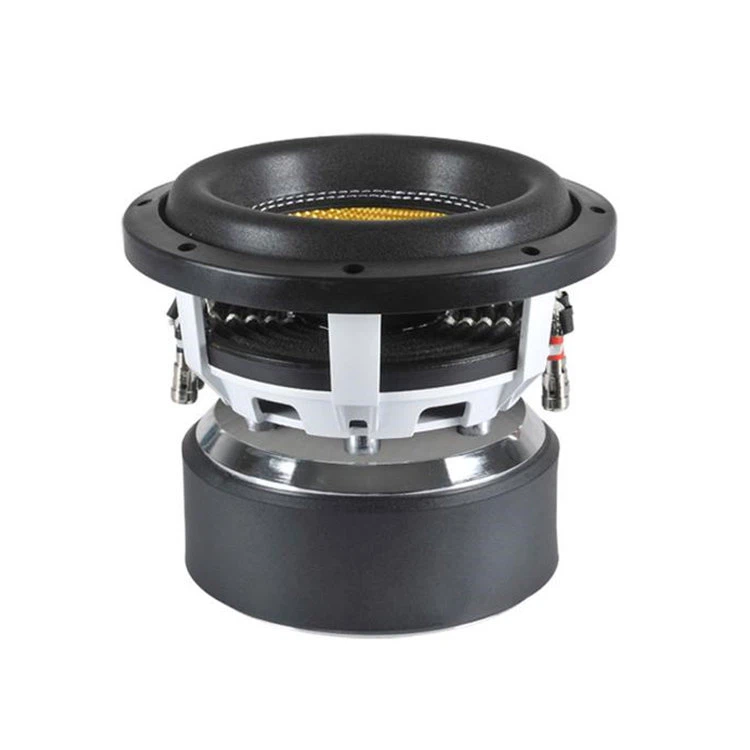
For example, a Subwoofer Impulse Triple Magnet uses a specific magnet configuration to optimize its performance. The triple - magnet design can enhance the magnetic field strength, which can potentially lower the impedance and improve the efficiency of the subwoofer. This means that it can reproduce low - frequency sounds more effectively with less power consumption.
Similarly, a 10 Inch Speaker Magnet is designed for a specific size of speaker. The size and strength of the magnet are carefully chosen to ensure that the speaker has the right impedance for optimal performance. A larger speaker like this might require a stronger magnet to move the larger speaker cone, and this can also affect the impedance.
The Woofer Magnet is another important component. Woofer speakers are responsible for reproducing low - frequency sounds, and the magnet plays a crucial role in their performance. A well - designed woofer magnet can help to maintain a stable impedance across the frequency range, which is essential for accurate sound reproduction.
When it comes to speaker design, engineers need to carefully balance the strength of the magnet and the impedance of the speaker. They have to consider factors like the power output of the amplifier, the desired sound quality, and the size and application of the speaker. For example, in a car audio system, where space and power are limited, speakers with a lower impedance and a relatively strong magnet might be preferred. This allows the speakers to produce a good amount of sound with the limited power available from the car's amplifier.
In a home audio system, on the other hand, you might have more flexibility. You can use speakers with a higher impedance if you have a powerful amplifier. This can sometimes result in a more detailed and accurate sound, especially for high - end audio equipment.
As a speaker magnet supplier, I know how important it is to get the right combination of magnet strength and impedance. That's why we offer a wide range of speaker magnets to suit different needs. Whether you're a speaker manufacturer looking for a specific magnet for your new product or an audio enthusiast looking to upgrade your speakers, we've got you covered.
If you're interested in learning more about our speaker magnets or have any questions about the relationship between speaker magnets and impedance, feel free to reach out. We're always happy to have a chat and help you find the perfect magnet for your application. You can contact us to start a discussion about your requirements and get a quote. Our team of experts is ready to assist you in making the right choice for your speaker project.
In conclusion, the relationship between speaker magnets and impedance is a complex but crucial aspect of speaker design. The strength of the magnet can directly affect the impedance of the speaker, which in turn impacts its performance and power requirements. By understanding this relationship, you can make more informed decisions when it comes to choosing speakers or speaker magnets.

References
- Olson, Harry F. "Acoustical Engineering." Van Nostrand Reinhold Company, 1957.
- Beranek, Leo L. "Acoustics." American Institute of Physics, 1986.
- Toole, Floyd E. "Sound Reproduction: The Acoustics and Psychoacoustics of Loudspeakers and Rooms." Elsevier, 2008.