




Are there any environmental impacts associated with cylinder shape magnets?
 Aug 06, 2025|
 Hey there! I'm a supplier of Cylinder Shape Magnets, and I often get asked about the environmental impacts associated with these nifty little things. So, I thought I'd take some time to dig into this topic and share what I've found.
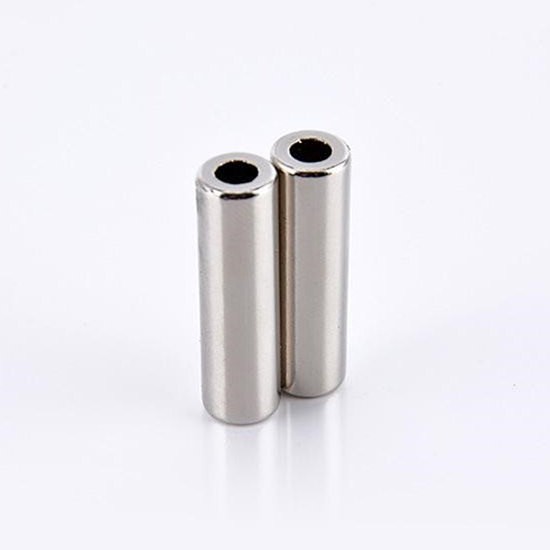
First off, let's talk about what cylinder shape magnets are. They're, well, magnets in a cylindrical shape. You can find them in all sorts of sizes and strengths. There are Cylindrical Permanent Magnet, which are always magnetic, and Hollow Cylinder Magnets, which have a hole in the middle. These magnets are used in a wide range of applications, from small electronic devices to large industrial machinery.
Mining and Extraction
One of the biggest environmental concerns with cylinder shape magnets starts right at the source: the mining and extraction of the raw materials. Many of these magnets are made from rare - earth elements like neodymium, praseodymium, and dysprosium. Mining these elements can have some pretty serious environmental impacts.
Rare - earth mining often involves open - pit mining, which can lead to deforestation. Trees are cleared to make way for the mining operations, which destroys habitats for countless plant and animal species. This loss of biodiversity can have long - term ecological consequences.
Moreover, the extraction process uses a lot of water and chemicals. For example, acids are used to separate the rare - earth elements from the ore. These chemicals can contaminate nearby water sources, making the water unfit for human consumption and harming aquatic life. Heavy metals and radioactive materials can also be released during the process, posing a risk to both the environment and human health.
Manufacturing Process
Once the raw materials are mined, they go through a manufacturing process to turn them into cylinder shape magnets. This process also has its own set of environmental issues.
The manufacturing of magnets requires a significant amount of energy. High - temperature processes are used to melt and shape the materials, and these processes rely on fossil fuels in many cases. Burning fossil fuels releases greenhouse gases like carbon dioxide, which contribute to climate change.
There's also waste generated during the manufacturing process. Scrap materials and leftover chemicals need to be disposed of properly. If not, they can end up in landfills or contaminate the soil and water.
End - of - Life Disposal
What happens to cylinder shape magnets when they reach the end of their useful life? This is another area where environmental impacts come into play.
Many cylinder shape magnets end up in landfills. Since they're made from metals and rare - earth elements, they don't break down easily. Over time, these magnets can leach heavy metals and other contaminants into the soil and groundwater.
Recycling cylinder shape magnets is a challenge. The technology for recycling rare - earth magnets is still in its early stages. It's difficult and expensive to separate the different elements in the magnets, which means that a large percentage of these magnets aren't recycled.
Positive Environmental Aspects
But it's not all doom and gloom. Cylinder shape magnets also have some positive environmental impacts.
In the energy sector, these magnets are used in wind turbines. Cylinder Shape Magnet are crucial for the generators in wind turbines, which produce clean, renewable energy. By enabling the production of wind energy, these magnets help reduce our reliance on fossil fuels and lower greenhouse gas emissions.
They're also used in electric vehicles. Electric motors in EVs often use cylinder shape magnets to convert electrical energy into mechanical energy. As more people switch to electric vehicles, it can lead to a significant reduction in air pollution from the transportation sector.
What We're Doing as a Supplier
As a supplier of cylinder shape magnets, we're aware of these environmental issues and are taking steps to mitigate them.
We're constantly looking for more sustainable sources of raw materials. We're working with mining companies that are committed to more environmentally friendly mining practices. Some of these companies are using new technologies to reduce water consumption and chemical use during the extraction process.
In terms of manufacturing, we're investing in energy - efficient equipment. We're also looking into ways to reduce waste during the manufacturing process. For example, we're trying to reuse scrap materials as much as possible.
We're also promoting the recycling of our products. We're partnering with recycling facilities to develop better recycling methods for cylinder shape magnets. By making it easier to recycle these magnets, we hope to reduce the amount of waste that ends up in landfills.

Conclusion
So, are there environmental impacts associated with cylinder shape magnets? The answer is yes. From the mining of raw materials to the end - of - life disposal, there are several stages in the life cycle of these magnets that can have negative environmental effects.
However, it's important to note that these magnets also play a crucial role in some green technologies. They're helping us move towards a more sustainable future by enabling the production of renewable energy and the use of electric vehicles.
As a supplier, we're committed to minimizing the environmental impact of our products. We believe that by working together with our partners in the supply chain, we can find a balance between meeting the demand for cylinder shape magnets and protecting the environment.
If you're interested in purchasing cylinder shape magnets for your business or project, I'd love to have a chat with you. We can discuss your specific needs and how we're working to make our products more environmentally friendly. Don't hesitate to reach out to start a procurement discussion.
References
- "Environmental Impacts of Rare - Earth Mining in China", Journal of Cleaner Production
- "The Role of Rare - Earth Magnets in Renewable Energy Technologies", Energy Policy Journal
- "Recycling of Rare - Earth Magnets: A Review", Resources, Conservation and Recycling Journal