




Can a cylindrical magnet be used in a magnetic actuator? How?
 May 20, 2025|
 Can a cylindrical magnet be used in a magnetic actuator? How?
Hey there! I'm a supplier of cylindrical magnets, and I often get asked whether cylindrical magnets can be used in magnetic actuators. Well, the short answer is yes, they can! In this blog post, I'll dive into the details of how cylindrical magnets can be utilized in magnetic actuators and why they're a great choice.
First off, let's understand what a magnetic actuator is. A magnetic actuator is a device that converts magnetic energy into mechanical motion. It's used in a wide range of applications, from small electronic devices to large industrial machinery. The basic principle behind a magnetic actuator is the interaction between magnetic fields, which can generate forces and torques to drive mechanical components.
Now, why are cylindrical magnets a good fit for magnetic actuators? There are several reasons. Firstly, cylindrical magnets have a simple and symmetrical shape, which makes them easy to design and integrate into actuator systems. Their shape allows for predictable magnetic field distributions, which is crucial for achieving precise control of the actuator's motion. Whether you're looking for linear or rotational motion, cylindrical magnets can be configured to meet your specific requirements.
Another advantage of cylindrical magnets is their high magnetic strength. Many cylindrical magnets, especially those made from rare - earth materials like neodymium, can produce strong magnetic fields. This high magnetic strength means that the actuator can generate significant forces and torques, even in a relatively small size. For applications where space is limited, such as in miniature electronic devices, the high magnetic strength of cylindrical magnets is a real game - changer.
Let's take a closer look at how cylindrical magnets can be used in magnetic actuators.
Linear Actuators
In linear actuators, the goal is to convert magnetic energy into linear motion. One common way to use cylindrical magnets in a linear actuator is in a solenoid - like configuration. A solenoid consists of a coil of wire and a movable cylindrical magnet. When an electric current is passed through the coil, it creates a magnetic field. The interaction between the magnetic field of the coil and the magnetic field of the cylindrical magnet causes the magnet to move linearly.
The direction and magnitude of the magnet's movement can be controlled by adjusting the current in the coil. If you want to reverse the direction of motion, you simply reverse the direction of the current. This makes cylindrical magnets in linear actuators highly controllable and suitable for applications like valve control, robotic arms, and precision positioning systems.
For those of you interested in smaller - scale applications, our [Small Cylindrical Magnets](/neodymium - magnets/cylindrical - magnet/small - cylindrical - magnets.html) are an excellent choice. They can be easily incorporated into compact linear actuators, providing the necessary magnetic force without taking up too much space.
Rotary Actuators
Rotary actuators are used to convert magnetic energy into rotational motion. Cylindrical magnets can be used in rotary actuators in a couple of different ways. One approach is to use a cylindrical magnet as the rotor of a motor. The stator, which consists of coils, creates a rotating magnetic field when an electric current is applied. The interaction between the stator's magnetic field and the magnetic field of the cylindrical magnet causes the magnet (and the attached shaft) to rotate.
This type of design is commonly used in small motors, such as those found in computer hard drives, drones, and small appliances. The simplicity of using a cylindrical magnet as the rotor makes the motor design more straightforward and cost - effective.
Our [Cylindrical Permanent Magnet](/neodymium - magnets/cylindrical - magnet/cylindrical - permanent - magnet.html) is well - suited for rotary actuator applications. These permanent magnets maintain their magnetic properties over time, ensuring reliable and consistent performance of the rotary actuator.
Specialized Applications with Hollow Cylinder Magnets
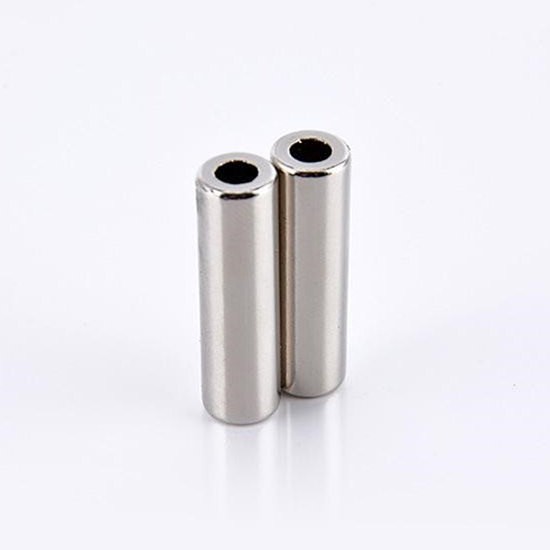
In some cases, [Hollow Cylinder Magnets](/neodymium - magnets/cylindrical - magnet/hollow - cylinder - magnets.html) can offer unique advantages in magnetic actuators. The hollow design allows for the passage of other components, such as shafts or wires, through the magnet. This can be useful in applications where space needs to be optimized or where additional functionality is required.
For example, in some high - precision positioning systems, a hollow cylindrical magnet can be used to house a sensor or a wire that provides feedback on the actuator's position. This integration of components can lead to more compact and efficient actuator designs.

Now, let's talk about some practical considerations when using cylindrical magnets in magnetic actuators.
Material Selection
The choice of material for the cylindrical magnet is crucial. As mentioned earlier, neodymium magnets are popular due to their high magnetic strength. However, they also have some drawbacks, such as relatively low resistance to corrosion and high cost. Ferrite magnets, on the other hand, are more affordable and corrosion - resistant but have lower magnetic strength.

When selecting a material, you need to consider the specific requirements of your actuator application, such as the required force, operating environment, and budget.
Magnetization Direction
The magnetization direction of the cylindrical magnet can significantly affect the performance of the actuator. Depending on the design of the actuator, you may need to choose a magnet with a specific magnetization direction, such as axial or radial magnetization. Axial magnetization is suitable for linear actuators where the force needs to be applied along the axis of the cylinder, while radial magnetization can be more appropriate for rotary actuators.
Temperature Considerations
Temperature can have a significant impact on the magnetic properties of the cylindrical magnet. Most magnets, especially neodymium magnets, experience a decrease in magnetic strength as the temperature increases. Therefore, it's important to consider the operating temperature range of your actuator and choose a magnet that can maintain its performance within that range.
In conclusion, cylindrical magnets are a versatile and effective choice for magnetic actuators. Whether you're looking for linear or rotational motion, there are numerous ways to incorporate cylindrical magnets into your actuator design. Their simple shape, high magnetic strength, and the availability of different materials and configurations make them suitable for a wide range of applications.
If you're in the market for cylindrical magnets for your magnetic actuator projects, I'd love to hear from you. We offer a wide range of cylindrical magnets, including small cylindrical magnets, cylindrical permanent magnets, and hollow cylinder magnets. Our team of experts can help you select the right magnet for your specific needs. So, don't hesitate to reach out and start a conversation about your procurement requirements.
References
- "Magnetism and Magnetic Materials" by David Jiles.
- "Actuators: Principles, Types, and Applications" by various authors in the field of mechatronics.