




How to evaluate the performance of a speaker magnet?
 May 20, 2025|
 Evaluating the performance of a speaker magnet is a crucial process for both manufacturers and audio enthusiasts. As a speaker magnet supplier, I understand the significance of ensuring that the magnets we provide meet the highest standards of quality and performance. In this blog post, I will share some key factors to consider when evaluating the performance of a speaker magnet.
Magnetic Field Strength
One of the most important aspects of a speaker magnet is its magnetic field strength. The magnetic field strength determines the force that can be exerted on the voice coil of the speaker, which in turn affects the speaker's ability to produce sound. A stronger magnetic field generally results in better sound quality, as it allows the voice coil to move more accurately and efficiently.
To measure the magnetic field strength of a speaker magnet, we typically use a gaussmeter. A gaussmeter is a device that measures the magnetic field intensity in gauss or tesla. The higher the magnetic field strength, the more powerful the magnet. However, it's important to note that the magnetic field strength alone does not guarantee good sound quality. Other factors, such as the magnet's shape and material, also play a role.
Coercivity
Coercivity is another important property of a speaker magnet. Coercivity refers to the ability of a magnet to resist demagnetization. In other words, it measures how difficult it is to change the magnetic field of the magnet. A magnet with high coercivity is less likely to lose its magnetization over time, which is important for maintaining consistent sound quality.
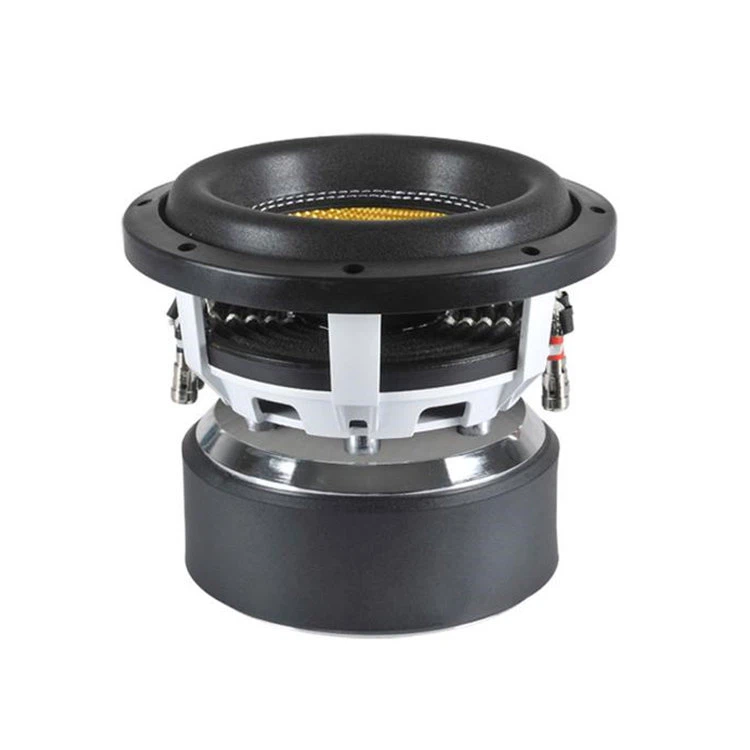
To measure the coercivity of a speaker magnet, we use a hysteresis loop tester. This device applies a varying magnetic field to the magnet and measures the resulting magnetization. The coercivity is then determined from the shape of the hysteresis loop. Magnets with high coercivity are typically made from materials such as neodymium or samarium cobalt.
Remanence
Remanence is the magnetic field that remains in a magnet after it has been magnetized and the external magnetic field has been removed. It is a measure of the magnet's ability to retain its magnetization. A magnet with high remanence will have a stronger magnetic field even after the external field is removed, which is important for maintaining the speaker's performance.
Like coercivity, remanence is also measured using a hysteresis loop tester. The remanence is determined from the point on the hysteresis loop where the external magnetic field is zero. Magnets with high remanence are typically used in high-performance speakers.
Temperature Stability
Temperature stability is an important consideration when evaluating the performance of a speaker magnet. As the temperature of the magnet increases, its magnetic properties can change. This can lead to a decrease in the speaker's performance, such as a loss of bass response or an increase in distortion.
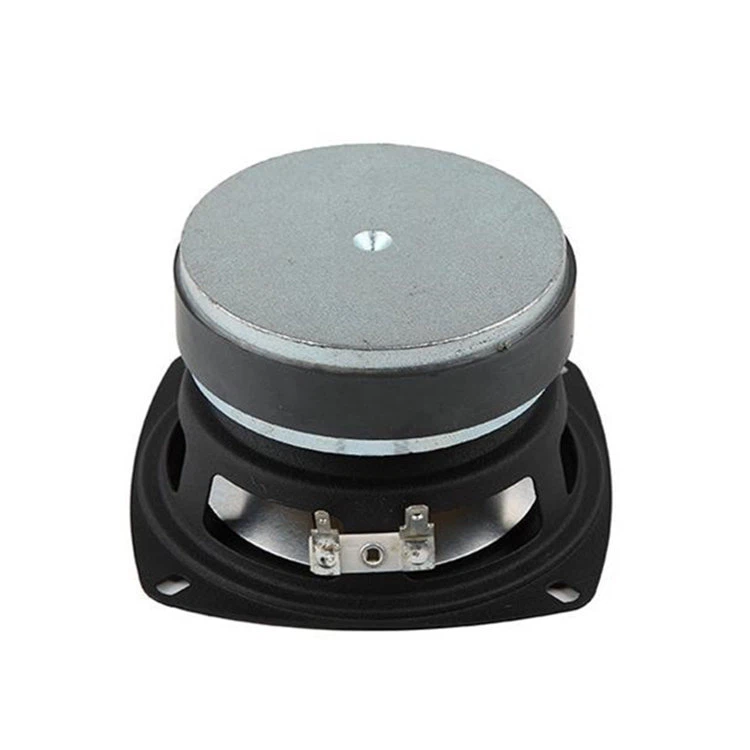
To ensure temperature stability, we use magnets that are made from materials with low temperature coefficients. These materials are less affected by changes in temperature, which helps to maintain the speaker's performance over a wide range of operating conditions.
Shape and Design
The shape and design of a speaker magnet can also have a significant impact on its performance. Different shapes and designs can affect the magnetic field distribution, which in turn affects the speaker's sound quality. For example, a magnet with a more uniform magnetic field distribution will generally produce better sound quality than a magnet with a non-uniform distribution.
At our company, we offer a variety of speaker magnet shapes and designs to meet the specific needs of our customers. Some of our popular products include Woofer Magnet, 10 Inch Speaker Magnet, and Subwoofer Impulse Triple Magnet. These magnets are designed to provide optimal performance in a variety of speaker applications.
Material Quality
The quality of the material used to make the speaker magnet is also an important factor to consider. Different materials have different magnetic properties, which can affect the speaker's performance. For example, neodymium magnets are known for their high magnetic field strength and coercivity, while ferrite magnets are more affordable and have good temperature stability.
At our company, we use only the highest quality materials to make our speaker magnets. We source our materials from reputable suppliers and conduct rigorous quality control tests to ensure that our magnets meet the highest standards of quality and performance.

Testing and Quality Control
To ensure that our speaker magnets meet the highest standards of quality and performance, we conduct extensive testing and quality control procedures. We use a variety of testing equipment, including gaussmeters, hysteresis loop testers, and temperature chambers, to measure the magnetic properties of our magnets and ensure that they meet our specifications.
In addition to testing, we also have a strict quality control system in place to ensure that our products are free from defects. We inspect each magnet individually before it is shipped to our customers to ensure that it meets our high standards of quality.
Conclusion
Evaluating the performance of a speaker magnet is a complex process that requires careful consideration of a variety of factors. As a speaker magnet supplier, we understand the importance of providing our customers with high-quality magnets that meet their specific needs. By considering factors such as magnetic field strength, coercivity, remanence, temperature stability, shape and design, material quality, and testing and quality control, we can ensure that our magnets provide optimal performance in a variety of speaker applications.
If you are interested in learning more about our speaker magnets or would like to discuss your specific requirements, please feel free to contact us. We would be happy to help you find the perfect magnet for your speaker application.
References
- "Magnetism and Magnetic Materials" by David Jiles
- "Speaker Design Cookbook" by Vance Dickason
- "Audio Engineering Handbook" by Glen Ballou