




Can a cylindrical magnet be used in a magnetic fluid seal? How?
 May 14, 2025|
 Hey there! As a supplier of cylindrical magnets, I often get asked whether a cylindrical magnet can be used in a magnetic fluid seal and how it works. So, I thought I'd share some insights on this topic.
First off, let's talk about what a magnetic fluid seal is. A magnetic fluid seal is a type of seal that uses a magnetic fluid, also known as ferrofluid, to create a barrier between two spaces. Ferrofluid is a liquid that contains tiny magnetic particles suspended in it. When a magnetic field is applied, the ferrofluid is attracted to the magnet and forms a seal.
Now, can a cylindrical magnet be used in a magnetic fluid seal? The answer is yes! Cylindrical magnets are actually quite well - suited for this application. Their shape allows for a relatively uniform magnetic field distribution around the circumference, which is crucial for creating an effective seal with the ferrofluid.

One of the key advantages of using cylindrical magnets in magnetic fluid seals is their simplicity. They are easy to manufacture and install. You can find different types of cylindrical magnets for this purpose, such as [Cylinder Shape Magnet](/neodymium - magnets/cylindrical - magnet/cylinder - shape - magnet.html) and [Hollow Cylinder Magnets](/neodymium - magnets/cylindrical - magnet/hollow - cylinder - magnets.html). These magnets come in various sizes and strengths, which gives you flexibility in designing the magnetic fluid seal according to your specific requirements.
Let's dig deeper into how a cylindrical magnet is used in a magnetic fluid seal. The basic setup involves placing the cylindrical magnet around a rotating shaft or in a position where a seal is needed. The ferrofluid is then introduced into the gap between the magnet and the surface to be sealed.
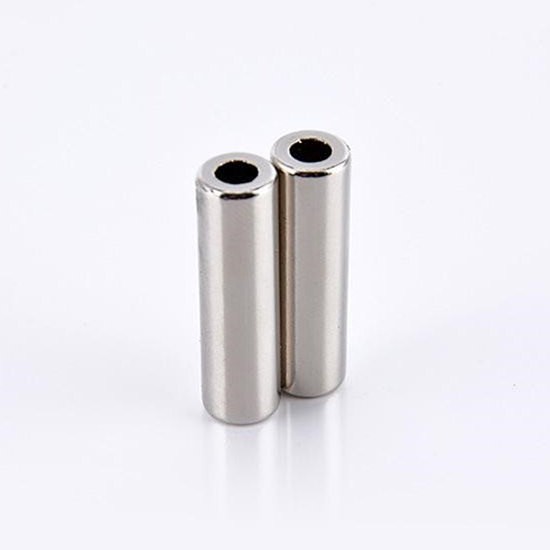
The magnetic field of the cylindrical magnet acts on the magnetic particles in the ferrofluid. The ferrofluid is pulled towards the areas of the strongest magnetic field, which are typically near the poles of the magnet. This forms a continuous ring of ferrofluid around the shaft or in the sealing area, creating a barrier that prevents the leakage of fluids, gases, or even dust.
The strength of the magnetic field is a critical factor. If the magnetic field is too weak, the ferrofluid may not form a tight enough seal, and there could be leakage. On the other hand, if the magnetic field is too strong, it may cause excessive drag on the rotating shaft (in the case of a rotating seal), leading to increased energy consumption and potential wear and tear.
When choosing a cylindrical magnet for a magnetic fluid seal, you need to consider several factors. The material of the magnet is important. Neodymium magnets, for example, are very strong and are commonly used in magnetic fluid seals. They offer a high magnetic field strength for their size, which means you can use smaller magnets to achieve the desired sealing effect. You can check out [Magnet Cylindrical](/neodymium - magnets/cylindrical - magnet/magnet - cylindrical.html) for more options of neodymium cylindrical magnets.
The dimensions of the cylindrical magnet also matter. The diameter and length of the magnet will affect the magnetic field distribution and the amount of ferrofluid that can be held in place. You need to select the right size based on the size of the shaft or the sealing area.
Another aspect to consider is the temperature range. Some magnets may lose their magnetic properties at high temperatures. So, if your application involves high - temperature environments, you need to choose a magnet that can withstand those conditions.
In addition to the technical aspects, the cost - effectiveness of using cylindrical magnets in magnetic fluid seals is also a plus. Cylindrical magnets are generally more affordable compared to some other complex - shaped magnets. And since they are easy to manufacture, the production cost can be kept relatively low.
Now, let's talk about some real - world applications of cylindrical magnets in magnetic fluid seals. They are widely used in industries such as aerospace, automotive, and manufacturing. In aerospace, magnetic fluid seals with cylindrical magnets are used to prevent the leakage of lubricants and other fluids in aircraft engines and hydraulic systems. In the automotive industry, they can be found in transmissions and engines to keep fluids in place and prevent contamination.
If you're thinking about using cylindrical magnets in your magnetic fluid seal applications, I'd be more than happy to help. As a supplier, I have a wide range of cylindrical magnets available, and I can assist you in choosing the right one for your specific needs. Whether you need a small - sized [Cylinder Shape Magnet](/neodymium - magnets/cylindrical - magnet/cylinder - shape - magnet.html) or a large [Hollow Cylinder Magnets](/neodymium - magnets/cylindrical - magnet/hollow - cylinder - magnets.html), I've got you covered.

Don't hesitate to reach out if you have any questions or if you're ready to start a purchase. I'm here to make sure you get the best cylindrical magnets for your magnetic fluid seal projects.
References
- Odenbach, Stefan. "Magnetic Fluids: Basics, Development, and Applications." Springer, 2010.
- Li, Yongchang, et al. "Design and Optimization of Magnetic Fluid Seals." Journal of Magnetism and Magnetic Materials, 2015.