




Can ring magnets be used in magnetic valves?
 May 14, 2025|
 Can ring magnets be used in magnetic valves? This is a question that has intrigued many in the field of engineering and manufacturing. As a supplier of high - quality ring magnets, I've had numerous discussions with customers and industry experts about the viability of using ring magnets in magnetic valves. In this blog, I'll explore the technical aspects, advantages, and potential challenges of integrating ring magnets into magnetic valves.
Technical Principles of Magnetic Valves
Before delving into the role of ring magnets, it's essential to understand how magnetic valves work. A magnetic valve, also known as a solenoid valve, is an electromechanical device that controls the flow of fluids (liquids or gases) in a system. It consists of a coil, a movable core (plunger), and a valve body. When an electric current is applied to the coil, it generates a magnetic field. This magnetic field attracts the plunger, which then moves to open or close the valve, thereby controlling the fluid flow.
Characteristics of Ring Magnets
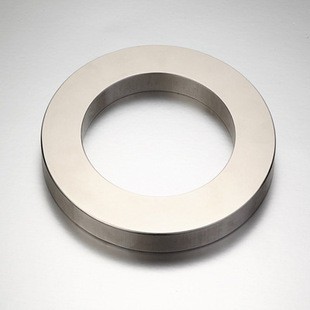
Ring magnets are circular in shape with a hole in the center. They come in various sizes, materials, and magnetization patterns. The most common materials used for ring magnets include neodymium, ferrite, and samarium - cobalt. Neodymium ring magnets, such as our [Super Magnetic Ring](/neodymium - magnets/ring - magnet/super - magnetic - ring.html), are known for their high magnetic strength, making them suitable for applications where a strong magnetic field is required.
Ferrite ring magnets, on the other hand, are more cost - effective and have good resistance to corrosion. They are often used in less demanding applications where cost is a significant factor. Samarium - cobalt ring magnets offer excellent temperature stability and are used in high - temperature environments.
Ring magnets can be magnetized in different ways. One of the common magnetization patterns is diametric magnetization. Our [Diametrically Magnetized Ring Magnet](/neodymium - magnets/ring - magnet/diametrically - magnetized - ring - magnet.html) has a magnetic field that runs across the diameter of the ring. This type of magnetization can be useful in magnetic valves as it can create a more focused and controlled magnetic field.
Advantages of Using Ring Magnets in Magnetic Valves
- Compact Design: Ring magnets have a circular shape, which allows for a more compact design of the magnetic valve. This is particularly important in applications where space is limited, such as in medical devices, automotive systems, and aerospace equipment.
- Uniform Magnetic Field: The circular shape of ring magnets can provide a more uniform magnetic field compared to other magnet shapes. This uniformity can lead to more precise control of the plunger movement in the magnetic valve, resulting in better valve performance and reliability.
- Customizability: Ring magnets can be easily customized in terms of size, material, and magnetization pattern. For example, our [Magnet Source Neodymium Magnet Ring](/neodymium - magnets/ring - magnet/magnet - source - neodymium - magnet - ring.html) can be tailored to meet the specific requirements of different magnetic valve designs. This customizability allows manufacturers to optimize the performance of their magnetic valves.
- Cost - Efficiency: Depending on the material used, ring magnets can offer a cost - effective solution for magnetic valve applications. Ferrite ring magnets, in particular, are relatively inexpensive compared to other magnet materials, making them a popular choice for mass - produced magnetic valves.
Potential Challenges and Solutions
- Temperature Sensitivity: Some magnet materials, such as neodymium, are sensitive to high temperatures. In magnetic valve applications where the valve may be exposed to elevated temperatures, the magnetic strength of the ring magnet may decrease, affecting the valve's performance. To address this issue, high - temperature - resistant magnet materials like samarium - cobalt can be used.
- Magnetic Interference: In complex systems with multiple magnetic components, there is a risk of magnetic interference. This can cause the plunger in the magnetic valve to move erratically or not at all. Proper shielding and design techniques can be employed to minimize magnetic interference. For example, using magnetic shields made of materials like mu - metal can help isolate the magnetic field of the ring magnet.
- Corrosion Resistance: In applications where the magnetic valve is exposed to corrosive environments, the ring magnet may corrode over time. This can reduce the magnetic strength and the lifespan of the magnet. Coating the ring magnet with a protective layer, such as nickel or epoxy, can enhance its corrosion resistance.
Case Studies
To illustrate the practical application of ring magnets in magnetic valves, let's look at a few case studies.
In the automotive industry, magnetic valves are used in fuel injection systems to control the flow of fuel. A car manufacturer was looking for a more compact and reliable magnetic valve design. By using our custom - made neodymium ring magnets, they were able to reduce the size of the magnetic valve while improving its performance. The uniform magnetic field provided by the ring magnets ensured precise control of the fuel flow, resulting in better engine efficiency and reduced emissions.

In the medical field, magnetic valves are used in devices such as infusion pumps to control the flow of fluids. A medical device manufacturer needed a magnetic valve that could operate in a sterile environment and provide accurate fluid control. Our diametrically magnetized ferrite ring magnets were selected for the application. The cost - effectiveness of the ferrite magnets made the device more affordable, while the diametric magnetization provided the necessary magnetic field for precise valve operation.
Conclusion
In conclusion, ring magnets can indeed be used in magnetic valves, offering numerous advantages such as compact design, uniform magnetic field, customizability, and cost - efficiency. However, it's important to consider the potential challenges, such as temperature sensitivity, magnetic interference, and corrosion resistance, and take appropriate measures to address them.

As a ring magnet supplier, we are committed to providing high - quality ring magnets that meet the specific requirements of magnetic valve applications. Whether you need a [Super Magnetic Ring](/neodymium - magnets/ring - magnet/super - magnetic - ring.html) for a high - performance magnetic valve or a [Diametrically Magnetized Ring Magnet](/neodymium - magnets/ring - magnet/diametrically - magnetized - ring - magnet.html) for a specialized design, we have the expertise and resources to assist you.
If you are interested in using ring magnets in your magnetic valve products, I encourage you to contact us for further discussions and to explore the best solutions for your specific needs. We look forward to partnering with you to achieve optimal performance in your magnetic valve applications.
References
- "Magnetic Materials and Their Applications" by B. D. Cullity and C. D. Graham.
- "Electromagnetic Valve Design and Application" by R. H. Kusters.
- Industry reports on magnetic valve technology and magnet materials.