




How to optimize the design of a cylindrical magnet for a specific application?
 Sep 25, 2025|
 Optimizing the design of a cylindrical magnet for a specific application involves a series of scientific and practical steps. As a supplier of Magnet Cylindrical, I have witnessed firsthand the importance of these optimizations in various industries. In this blog, I will share some key aspects of how to achieve this goal effectively.
Understanding the Application Requirements
The first and most crucial step in optimizing the design of a cylindrical magnet is to have a clear understanding of the specific application requirements. Different applications demand different magnetic properties, sizes, and shapes. For example, in a medical device such as an MRI machine, high - strength and uniform magnetic fields are required. On the other hand, in a small consumer electronics product like a smartphone speaker, the magnet needs to be small in size while still providing sufficient magnetic force.
When dealing with applications in the automotive industry, such as in electric power steering systems, the magnet must be able to withstand high temperatures and mechanical stresses. Therefore, it is essential to communicate closely with the end - users or engineers of the application to gather detailed information about the operating environment, magnetic strength requirements, and any other specific constraints.
Selecting the Right Magnetic Material
The choice of magnetic material is fundamental to the design of a cylindrical magnet. There are several types of magnetic materials available, each with its own unique properties.
- Neodymium Iron Boron (NdFeB) Magnets: These are the strongest permanent magnets available commercially. They offer high magnetic energy density, which means they can generate a strong magnetic field in a relatively small volume. NdFeB magnets are suitable for applications where high magnetic strength is required in a compact design, such as in computer hard drives and high - performance motors. You can find a variety of Small Cylindrical Magnets made from NdFeB in our product range.
- Samarium Cobalt (SmCo) Magnets: SmCo magnets have excellent temperature stability and corrosion resistance. They can maintain their magnetic properties at high temperatures, making them ideal for applications in harsh environments, such as aerospace and military equipment.
- Ferrite Magnets: Ferrite magnets are relatively inexpensive and have good resistance to demagnetization. They are commonly used in applications where cost is a major concern, such as in household appliances and speakers.
Determining the Optimal Dimensions
The dimensions of a cylindrical magnet, including its diameter, length, and aspect ratio (the ratio of length to diameter), have a significant impact on its magnetic performance.
- Diameter: A larger diameter generally results in a stronger magnetic field at the surface of the magnet. However, increasing the diameter also increases the cost and weight of the magnet. Therefore, the diameter should be optimized based on the required magnetic strength and the space constraints of the application.
- Length: The length of the magnet affects the magnetic field distribution along its axis. A longer magnet can provide a more uniform magnetic field over a greater distance. But similar to the diameter, increasing the length also has implications for cost and space.
- Aspect Ratio: The aspect ratio of a cylindrical magnet can influence its coercivity (the ability to resist demagnetization). A higher aspect ratio often leads to higher coercivity, which is beneficial in applications where the magnet may be exposed to external magnetic fields or mechanical stresses.
Shape Optimization
In addition to the basic cylindrical shape, there are other variations that can be considered to optimize the magnet's performance.
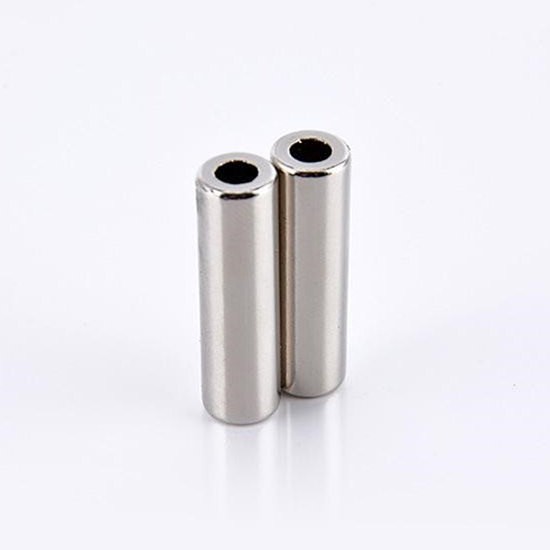
- Hollow Cylinder Magnets: Hollow Cylinder Magnets can be used in applications where weight reduction is important or where a shaft or other component needs to pass through the magnet. The hollow design can also affect the magnetic field distribution, which can be tailored to meet specific requirements.
- Tapered Cylinders: Tapered cylindrical magnets can be designed to create a non - uniform magnetic field, which may be useful in some applications, such as magnetic separators or certain types of sensors.
Magnetic Field Modeling and Simulation
To accurately predict the magnetic performance of a cylindrical magnet, magnetic field modeling and simulation tools can be used. These tools use numerical methods to calculate the magnetic field distribution around the magnet based on its material properties, dimensions, and shape.
By simulating different design scenarios, engineers can identify the optimal combination of parameters to achieve the desired magnetic performance. For example, they can analyze how changes in the magnet's dimensions or the addition of magnetic shielding will affect the magnetic field strength and distribution. This helps to reduce the number of physical prototypes and shorten the development cycle.
Surface Treatment and Coating
Surface treatment and coating are important considerations for protecting the magnet from corrosion and mechanical damage.
- Corrosion Resistance: Magnets, especially NdFeB magnets, are prone to corrosion. Applying a protective coating, such as nickel - copper - nickel plating or epoxy coating, can significantly improve the magnet's corrosion resistance. This is crucial for applications in humid or corrosive environments, such as in marine or chemical industries.
- Mechanical Protection: A hard coating can also provide mechanical protection to the magnet, reducing the risk of chipping or cracking during handling and installation.
Testing and Validation
Once the design of the cylindrical magnet is finalized, it is essential to conduct thorough testing and validation to ensure that it meets the application requirements.
- Magnetic Performance Testing: This includes measuring the magnetic field strength, coercivity, and remanence of the magnet. These parameters can be measured using specialized equipment, such as a gaussmeter or a hysteresis graph.
- Environmental Testing: The magnet should also be tested under various environmental conditions, such as temperature, humidity, and vibration, to ensure its long - term reliability.
Cost - Benefit Analysis
Finally, a cost - benefit analysis should be performed to evaluate the overall feasibility of the design. While optimizing the magnet's performance is important, it is also necessary to consider the cost of production, including the cost of materials, manufacturing processes, and surface treatments.

By finding the right balance between performance and cost, we can provide our customers with high - quality cylindrical magnets that meet their specific needs at a competitive price.
If you are interested in learning more about our Cylindrical Permanent Magnet products or have a specific application that requires a customized magnet design, please feel free to contact us for procurement and further discussions. Our team of experts is ready to assist you in finding the optimal solution for your needs.
References
- "Magnetism and Magnetic Materials" by David Jiles
- "Handbook of Magnetic Materials" edited by Klaus H. J. Buschow