




What is the magnetic anisotropy energy of a ring magnet?
 Sep 25, 2025|
 Hey there! As a supplier of ring magnets, I've been getting a lot of questions lately about the magnetic anisotropy energy of these cool little things. So, I thought I'd sit down and write a blog post to share what I know.
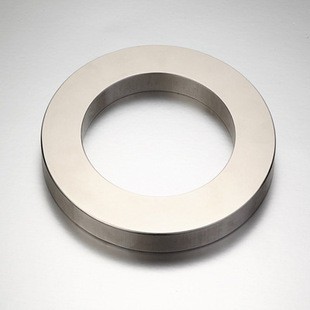
First off, let's talk about what a ring magnet is. A ring magnet is exactly what it sounds like – a magnet in the shape of a ring. These magnets are super versatile and are used in a wide range of applications, from electronics to automotive parts. At our company, we offer a variety of ring magnets, including the Magnet Source Neodymium Magnet Ring, the Diametrically Magnetized Ring Magnet, and the Super Magnetic Ring.
Now, let's dive into the concept of magnetic anisotropy energy. Magnetic anisotropy is basically the property of a magnet that makes it easier to magnetize in one direction than in others. This is due to the internal structure of the magnet material. The magnetic anisotropy energy is the energy required to change the direction of the magnetization of the magnet.
Think of it like this: Imagine you have a ball on a hill. It's easier for the ball to roll down the hill in one direction than in others. Similarly, it's easier for the magnetization of a magnet to align in a certain direction. The magnetic anisotropy energy is like the energy you'd need to push the ball up the hill in a different direction.
In a ring magnet, the magnetic anisotropy energy plays a crucial role in determining its magnetic properties. For example, it affects the strength of the magnetic field and the stability of the magnetization. A ring magnet with high magnetic anisotropy energy will have a stronger and more stable magnetic field.
The magnetic anisotropy energy of a ring magnet can be influenced by several factors. One of the main factors is the material of the magnet. Different materials have different crystal structures, which can affect the ease of magnetization in different directions. For instance, neodymium magnets, which are commonly used in ring magnets, have a high magnetic anisotropy due to their unique crystal structure.
Another factor is the shape of the ring magnet. The geometry of the ring can affect the distribution of the magnetic field and the way the magnetization aligns. A well-designed ring magnet can maximize the magnetic anisotropy energy and thus enhance its magnetic performance.
The manufacturing process also plays a role. The way the magnet is formed, magnetized, and treated can all impact its magnetic anisotropy energy. For example, heat treatment can change the internal structure of the magnet material, which in turn can affect the magnetic anisotropy.
So, why is understanding the magnetic anisotropy energy of a ring magnet important? Well, if you're using a ring magnet in an application, you want to make sure it has the right magnetic properties. For example, in a motor, you need a ring magnet with a strong and stable magnetic field to ensure efficient operation. By understanding the magnetic anisotropy energy, you can choose the right ring magnet for your specific needs.
At our company, we take great care in manufacturing our ring magnets to optimize their magnetic anisotropy energy. We use high-quality materials and advanced manufacturing techniques to ensure that our ring magnets have the best possible magnetic performance. Whether you need a Magnet Source Neodymium Magnet Ring for a high - tech electronic device or a Diametrically Magnetized Ring Magnet for a special - purpose machine, we've got you covered.
If you're in the market for ring magnets and want to learn more about how the magnetic anisotropy energy can impact your application, feel free to reach out to us. We're always happy to have a chat and help you find the perfect ring magnet for your project. Whether you're a small business or a large corporation, we can provide you with the right products and the support you need.

In conclusion, the magnetic anisotropy energy of a ring magnet is a key factor in determining its magnetic properties. By understanding this concept, you can make more informed decisions when choosing a ring magnet for your application. And if you're looking for high - quality ring magnets, don't hesitate to get in touch with us. We're here to help you get the best magnetic solutions for your needs.
References
- Cullity, B. D., & Graham, C. D. (2008). Introduction to Magnetic Materials. Wiley - Interscience.
- O'Handley, R. C. (2000). Modern Magnetic Materials: Principles and Applications. Wiley.